

How to Choose the Right Pneumatic Conveying System for Your Calcium Hydroxide Powder Handling Process?
When it comes to handling calcium hydroxide powder in industrial processes, selecting the appropriate pneumatic conveying system is crucial for efficiency, safety, and operational reliability. Calcium hydroxide, commonly known as slaked lime, is a fine powder with specific properties that require specialized equipment to transport effectively. The choice of a pneumatic conveying system directly impacts the overall performance of the powder handling process, affecting factors such as material flow rate, system pressure, and equipment maintenance. In this article, we will explore the key considerations and factors that industrial facilities should evaluate when choosing a pneumatic conveying system for their calcium hydroxide powder applications.
Understanding the Properties of Calcium Hydroxide Powder
Before selecting a pneumatic conveying system, it is essential to understand the physical and chemical characteristics of calcium hydroxide powder. Calcium hydroxide is a fine, dry powder with a relatively high bulk density and a tendency to agglomerate under certain conditions. Its particle size distribution, moisture content, and flowability are critical factors that influence the selection of the most suitable conveying method. For example, if the powder is prone to caking or has a wide particle size range, a system that can handle high-pressure or high-velocity air flow may be necessary to prevent blockages and ensure smooth material transport. Additionally, the chemical stability of calcium hydroxide under different air pressures and temperatures must be considered to avoid degradation or reactions that could affect the material's quality during transport.
Key Factors in Choosing a Pneumatic Conveying System
Several key factors must be evaluated when selecting a pneumatic conveying system for calcium hydroxide powder. The first consideration is the distance and layout of the conveying line. Short-distance conveying may use low-pressure systems, while long-distance or complex layouts may require high-pressure or vacuum systems. The capacity required for the process is another critical factor; the system must be capable of handling the desired flow rate without excessive energy consumption or pressure drop. Material properties, such as particle size, density, and flowability, also play a significant role. For calcium hydroxide, which can be abrasive and potentially corrosive to certain materials, the choice of system components, such as pipelines, valves, and filters, is vital to ensure durability and prevent wear. Furthermore, the environmental and safety requirements of the facility must be addressed. Pneumatic conveying systems should comply with local regulations regarding dust control, noise levels, and explosion prevention, especially when handling powders that may be flammable or reactive.
Types of Pneumatic Conveying Systems for Calcium Hydroxide
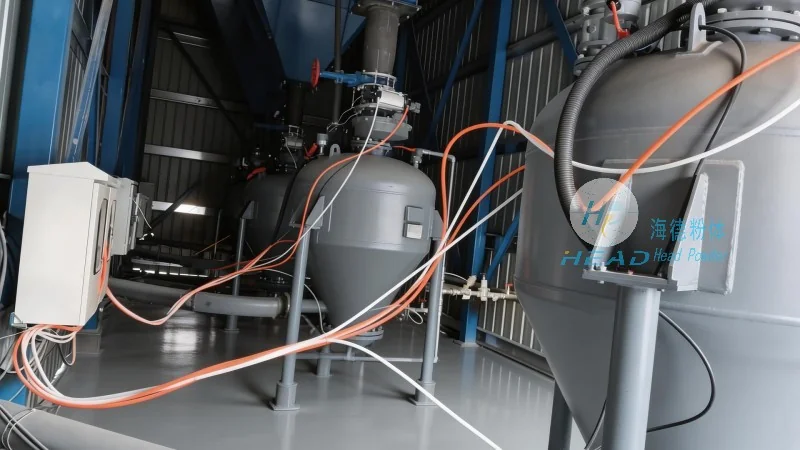
There are primarily two types of pneumatic conveying systems used in industrial applications: pressure and vacuum systems. Pressure systems use compressed air to push the material through the pipeline, while vacuum systems use a vacuum to pull the material from the source. For calcium hydroxide powder, pressure systems are often preferred for short to medium-distance conveying due to their ability to handle higher flow rates and overcome greater resistance. However, vacuum systems may be more suitable for applications where the material needs to be conveyed from multiple sources or where the receiving point is at a lower elevation. The selection between these systems depends on the specific layout of the facility, the distance between the source and destination, and the required flow rate. Additionally, there are variations within each system type, such as positive displacement blowers for pressure systems and rotary lobe pumps for vacuum systems, which offer different pressure and flow characteristics.
System Components and Design Considerations
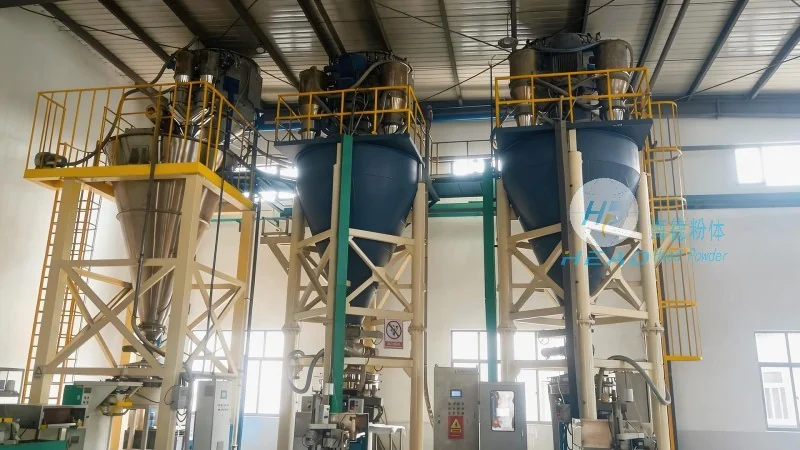
The effectiveness of a pneumatic conveying system for calcium hydroxide powder handling depends on the proper design and selection of its components. The pipeline system must be constructed from materials that can withstand the abrasive nature of the powder and resist corrosion. Common materials include stainless steel, aluminum, or specialized coatings for high-wear applications. The diameter of the pipeline is also critical; larger diameters reduce pressure drop but increase material costs, while smaller diameters may lead to higher energy consumption and potential blockages. Valves, such as rotary valves or slide gates, are used to control the flow of material and air, and their design must be compatible with the powder's properties to prevent clogging or leakage. Filters and cyclones are essential for separating the powder from the air stream and preventing dust accumulation in the system. The choice of filter media and the design of the cyclone must be optimized to handle the specific characteristics of calcium hydroxide powder, ensuring efficient separation and minimal maintenance.
Energy Efficiency and Maintenance in Pneumatic Conveying Systems
Energy efficiency is a significant consideration when selecting a pneumatic conveying system for calcium hydroxide powder handling. High-pressure systems typically consume more energy than low-pressure systems, but they may be necessary for certain applications. The choice of blower or vacuum pump type affects the overall energy consumption of the system. For example, rotary lobe blowers are often more energy-efficient for pressure systems compared to positive displacement blowers, especially at higher flow rates. Regular maintenance is also crucial to ensure the long-term performance and reliability of the system. Components such as filters, valves, and pipelines should be inspected and replaced as needed to prevent clogging, wear, or leaks. Proper maintenance schedules, including cleaning of filters, checking for air leaks, and inspecting for wear on moving parts, can extend the system's lifespan and reduce downtime. Additionally, the system should be designed with easy access to maintenance points to facilitate regular inspections and repairs.