

How to Choose the Right Pneumatic Conveying System for Your Lithium Iron Carbonate Handling Process?
When it comes to handling and transporting lithium iron carbonate (LiFeCO₃) in industrial settings, selecting the appropriate pneumatic conveying system is crucial for efficiency, safety, and cost-effectiveness. This process requires careful consideration of material properties, operational requirements, and system integration to ensure optimal performance. The right system not only enhances productivity but also minimizes downtime and operational risks, making it a critical investment for any lithium processing facility.
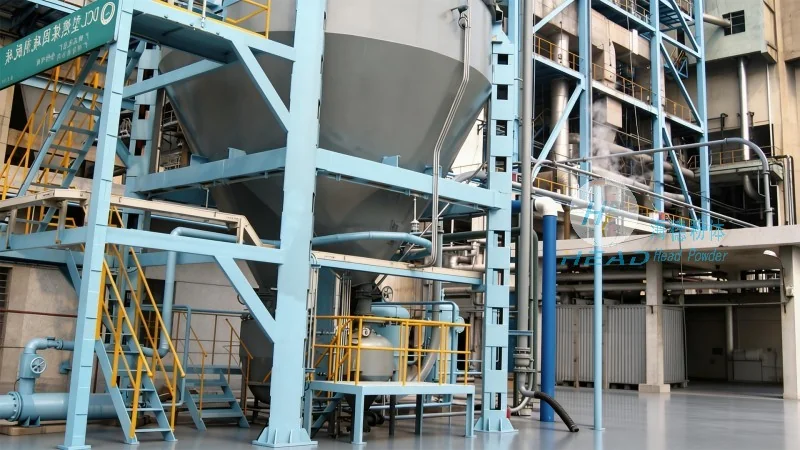
Key Factors to Consider When Selecting a Pneumatic Conveying System for Lithium Iron Carbonate
Before deciding on a pneumatic conveying system for lithium iron carbonate, several key factors must be evaluated. First, the physical properties of LiFeCO₃, such as its particle size, density, and flowability, significantly impact system design. Coarser or more abrasive particles may require specialized equipment like high-pressure or dense-phase systems to prevent wear and maintain consistent flow. Additionally, the required conveying distance and throughput capacity will dictate the system's scale and power requirements. Environmental considerations, including dust control and material containment, are also essential, as LiFeCO₃ is a fine powder that can create health and safety hazards if not managed properly. By addressing these factors, you can ensure the chosen system aligns with your operational goals and regulatory standards.
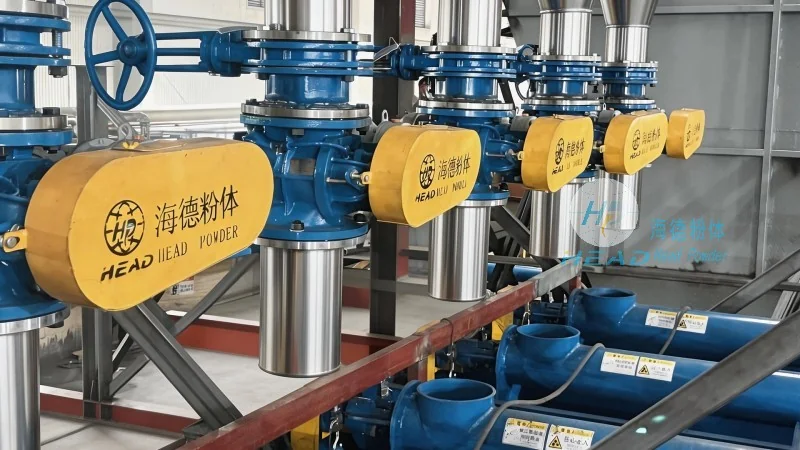
About HeadPowder: Your Partner in Pneumatic Conveying Solutions
Shandong HeadPowder Engineering Co., Ltd., commonly known as HeadPowder, is a leading provider of customized pneumatic conveying systems tailored to the unique needs of lithium processing industries. With years of experience in the field, HeadPowder specializes in designing and manufacturing systems that optimize the handling of lithium iron carbonate and other fine powders. The company's expertise lies in understanding the specific challenges of material transport, such as dust generation, caking, and equipment wear, and developing solutions that mitigate these issues. HeadPowder's team of engineers works closely with clients to assess their processes, recommend the most suitable system configurations, and provide comprehensive support throughout the installation and operation phases. This collaborative approach ensures that each system is not only efficient but also durable and compliant with industry regulations.
Customized Pneumatic Conveying Systems for Lithium Iron Carbonate Handling
HeadPowder offers a range of pneumatic conveying solutions designed specifically for lithium iron carbonate applications. These systems are engineered to handle the unique characteristics of LiFeCO₃, including its fine particle size and potential for static buildup. The company's product line includes both positive and negative pressure systems, with options for dense-phase or dilute-phase conveying, depending on the specific requirements of the process. For example, dense-phase systems are ideal for transporting abrasive or sensitive materials like LiFeCO₃ over long distances with minimal degradation, while dilute-phase systems may be more suitable for shorter conveying distances or when high throughput is required. Each system is customized to meet the client's exact specifications, ensuring optimal performance and reliability. HeadPowder's commitment to quality and innovation is reflected in the durability and efficiency of their equipment, which is built to withstand the demands of continuous operation in lithium processing facilities.
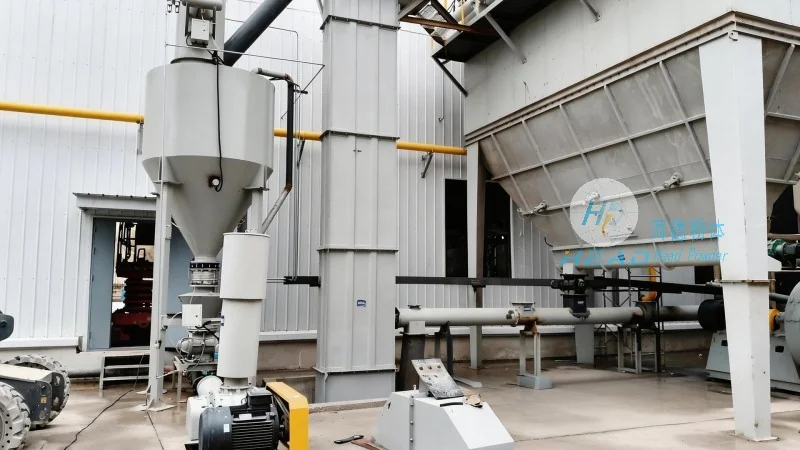
Addressing Challenges in Lithium Iron Carbonate Conveying
Conveying lithium iron carbonate presents several challenges that must be addressed to maintain system efficiency and material integrity. One of the primary concerns is dust control, as fine powders can create significant airborne dust that poses health risks and requires proper containment. HeadPowder's systems incorporate advanced dust collection and filtration technologies to minimize emissions and ensure compliance with environmental regulations. Another challenge is the potential for material caking or bridging in the conveying lines, which can lead to blockages and system downtime. To mitigate this, HeadPowder's designs include features such as agitators, vibrators, and air knives to maintain material flow and prevent buildup. Additionally, the abrasive nature of LiFeCO₃ can cause wear on system components, such as pipes and valves. HeadPowder uses high-quality materials, including stainless steel and specialized coatings, to extend the lifespan of their equipment and reduce maintenance costs. By addressing these challenges proactively, HeadPowder's systems ensure consistent performance and long-term reliability for lithium iron carbonate handling processes.