

How to Choose the Right Pneumatic Conveying System for Your Nitrile Rubber Handling Process
When it comes to managing the handling and transportation of nitrile rubber in industrial processes, selecting the appropriate pneumatic conveying system is crucial for efficiency, safety, and cost-effectiveness. Nitrile rubber, known for its excellent resistance to oil, fuel, and other chemicals, is widely used in automotive, medical, and manufacturing sectors. However, its handling requires specialized equipment to prevent degradation and ensure smooth operation. This article explores the key factors to consider when choosing a pneumatic conveying system tailored to nitrile rubber applications, with insights from industry experts at HeadPowder.
About HeadPowder Engineering
HeadPowder, formally known as Shandong HeadPowder Engineering Co., Ltd., is a leading provider of engineering solutions for material handling and processing. With operations based in Shandong, China, the company specializes in designing and manufacturing customized pneumatic conveying systems for various industrial materials, including nitrile rubber. Their expertise lies in understanding the unique properties of different polymers and tailoring systems to meet specific operational requirements.
Key Considerations for Selecting a Pneumatic Conveying System for Nitrile Rubber
Choosing the right pneumatic conveying system for nitrile rubber involves evaluating several critical factors that impact performance and longevity. The first consideration is the material's physical characteristics, such as particle size, density, and flowability. Nitrile rubber particles can vary in size, and the system must be designed to handle these variations without causing blockages or excessive wear on components. Additionally, the system's ability to maintain the material's integrity is paramount, as nitrile rubber is sensitive to temperature and mechanical stress that could lead to degradation.
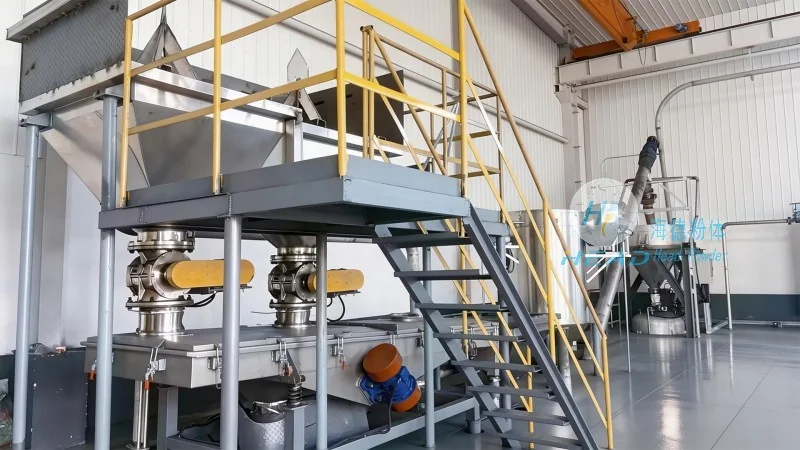
Another critical factor is the system's capacity and throughput requirements. The chosen system should align with the production volume and processing speed of the nitrile rubber handling operation. For instance, high-volume applications may require high-capacity systems with larger ducts and more powerful air compressors, while smaller operations might opt for compact, low-volume solutions. The system's energy efficiency is also a key consideration, as pneumatic conveying systems can be energy-intensive. HeadPowder's engineers assess the specific needs of each client to recommend systems that balance performance with operational costs.
Types of Pneumatic Conveying Systems for Nitrile Rubber
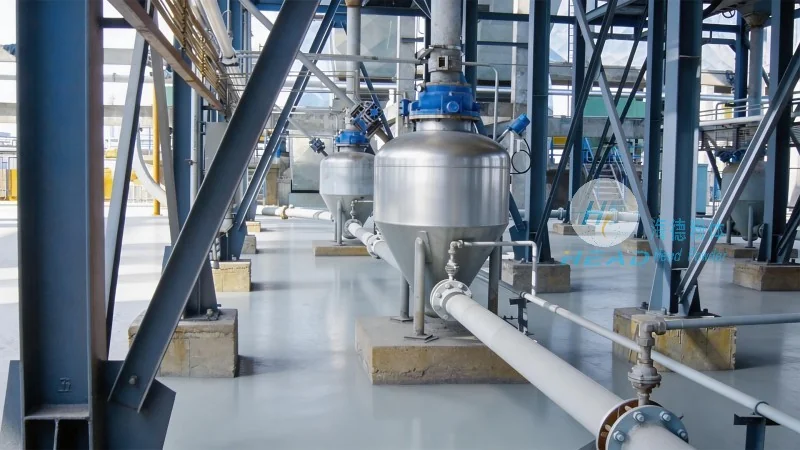
There are primarily two types of pneumatic conveying systems used for nitrile rubber: positive pressure and negative pressure systems. Positive pressure systems, also known as pressure conveying, use a blower or compressor to push air and material through the system. This method is suitable for long-distance transportation and handling abrasive or sticky materials like nitrile rubber. The positive pressure system ensures consistent material flow and reduces the risk of material degradation due to low pressure or vacuum conditions.
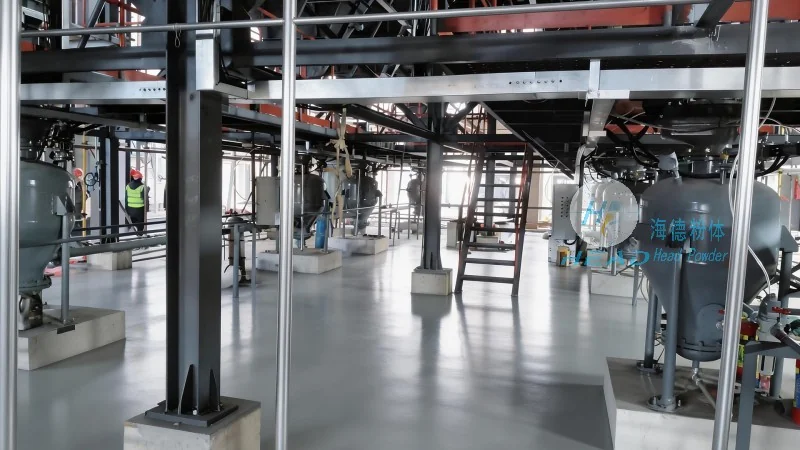
Negative pressure systems, or vacuum conveying, use a vacuum pump to draw material into the system. This approach is ideal for applications where the material needs to be collected from multiple points or transported over shorter distances. However, negative pressure systems may be less efficient for handling highly abrasive or sticky materials, as the vacuum can cause material to stick to the system components. For nitrile rubber, positive pressure systems are generally preferred due to their ability to maintain material integrity and prevent contamination.
System Components and Maintenance for Nitrile Rubber Handling
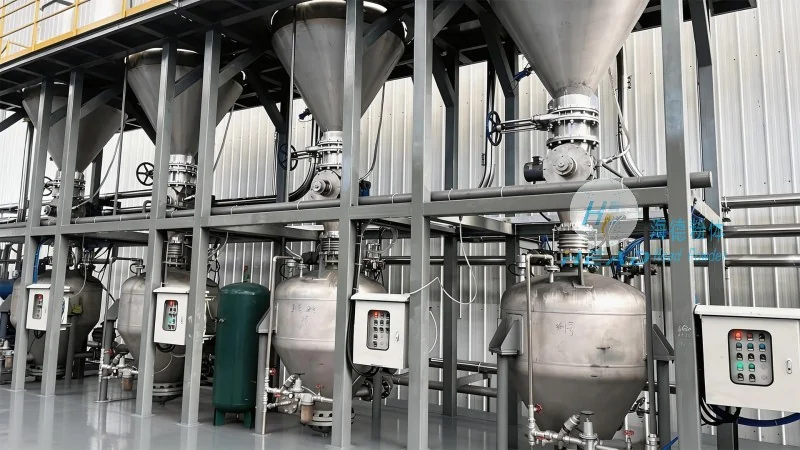
A well-designed pneumatic conveying system for nitrile rubber consists of several key components, including a hopper, feeder, air compressor or blower, ductwork, and a receiver or discharge point. The hopper is designed to store the nitrile rubber and provide a consistent feed to the system. The feeder, typically a rotary valve or screw feeder, controls the flow rate of the material into the system. The air compressor or blower generates the necessary air pressure to move the material through the ductwork. The ductwork must be constructed from materials that are compatible with nitrile rubber, such as stainless steel or specialized plastics, to prevent corrosion or material degradation.
Maintenance is a critical aspect of ensuring the longevity and efficiency of the system. Regular inspections of the ductwork for blockages or wear, cleaning of the hopper and feeder to prevent material buildup, and checking the air compressor for proper operation are essential. HeadPowder emphasizes the importance of regular maintenance to prevent downtime and ensure the system operates at optimal performance levels. Their team provides comprehensive maintenance services and offers spare parts to support their clients' systems.
Benefits of Choosing a Customized Pneumatic Conveying System from HeadPowder
By selecting a customized pneumatic conveying system from HeadPowder, nitrile rubber manufacturers can achieve several benefits. The tailored solutions ensure that the system is optimized for their specific material properties and operational needs, leading to improved efficiency and reduced downtime. The use of high-quality materials and components in the system enhances its durability and reduces the risk of material contamination, which is critical for applications where product purity is essential, such as in medical or automotive parts manufacturing.
Additionally, HeadPowder's expertise in material handling allows them to provide solutions that address the unique challenges of nitrile rubber, such as its tendency to stick to surfaces or degrade under certain conditions. Their engineers work closely with clients to understand their processes and recommend the most suitable system configuration, including the type of air compressor, duct size, and feeding mechanism. This collaborative approach ensures that the final system meets all the client's requirements and delivers long-term value.