

How to Choose the Right Pneumatic Conveying System for Your Corn Feed Processing?
When it comes to managing corn feed processing operations, selecting the appropriate pneumatic conveying system is a critical decision that impacts efficiency, cost, and product quality. The right system ensures that corn feed is transported safely and effectively from storage to processing units, minimizing dust, spillage, and operational downtime. This guide will help you navigate the key considerations for choosing a suitable pneumatic conveying system tailored to your corn feed processing needs.
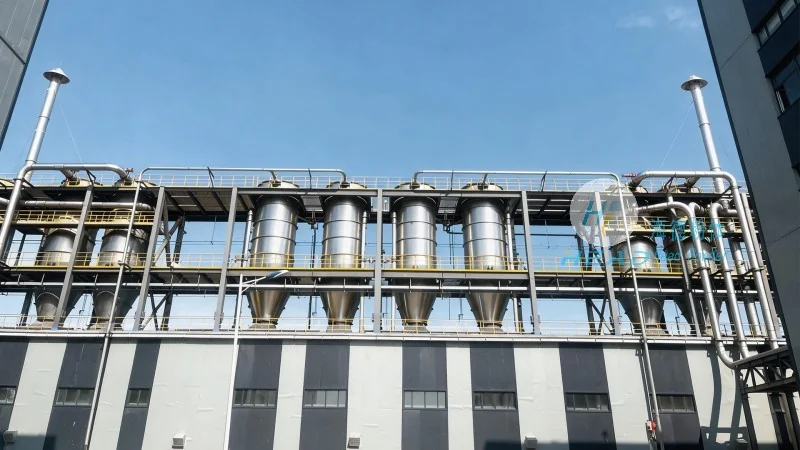
Key Factors to Consider in Selecting a Pneumatic Conveying System
Before diving into specific system types, it's essential to evaluate several factors that will influence your choice. The first consideration is the nature of the corn feed material itself. Corn feed can vary in moisture content, particle size, and bulk density, all of which affect how it behaves during transport. For example, high-moisture corn feed may require a system designed to handle sticky or clumping materials, while low-moisture feed might be more suitable for standard systems. Additionally, the processing capacity required—whether you need to handle small batches or large-scale production—will dictate the system's capacity and power requirements.
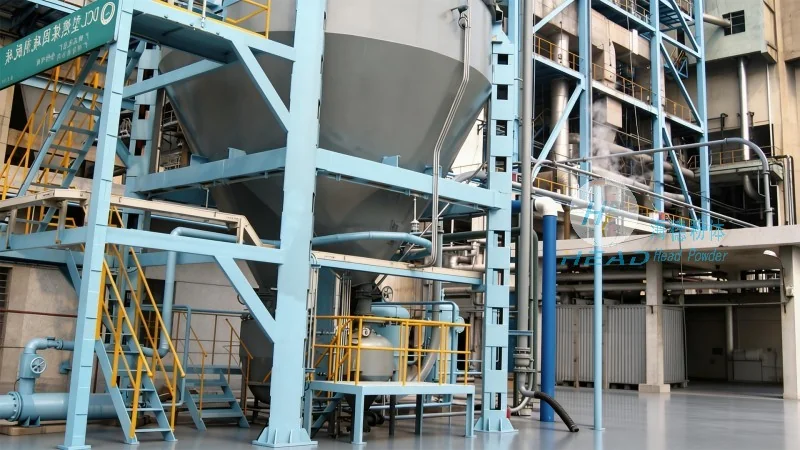
Types of Pneumatic Conveying Systems
There are primarily two types of pneumatic conveying systems: positive pressure and negative pressure. Positive pressure systems, also known as pressure conveying, use a blower or compressor to force air and material through the system. This method is ideal for long-distance transport and can handle abrasive or heavy materials, as the pressure helps maintain material flow. Negative pressure systems, or vacuum conveying, use a vacuum pump to draw material into the system. These systems are often used for shorter distances and are better suited for handling fine powders or materials that are sensitive to pressure changes. For corn feed processing, a hybrid system combining both positive and negative pressure may also be an option, offering flexibility based on the specific application.
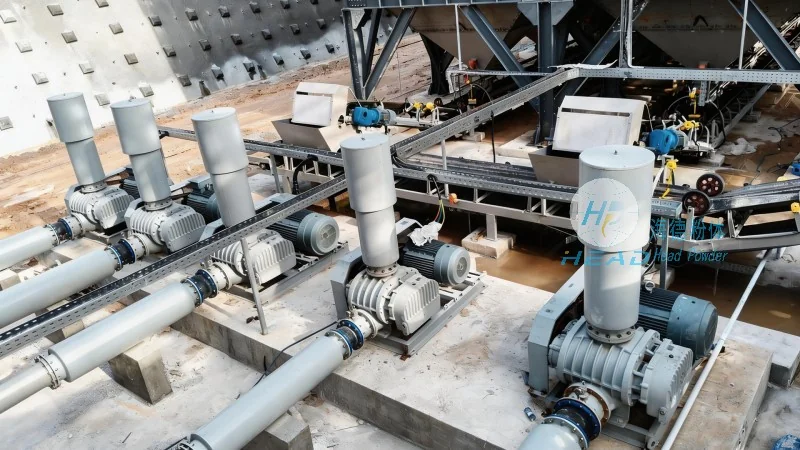
System Components and Design Considerations
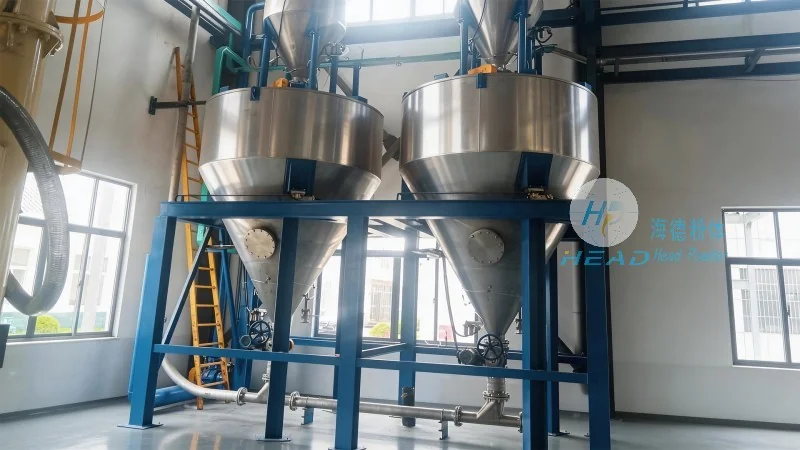
Regardless of the system type, several key components and design features are critical for optimal performance. The hopper or feeder is the first point of contact for the corn feed, and its design must ensure consistent material flow without bridging or clogging. A well-designed hopper with appropriate aeration or vibratory features can prevent material buildup and maintain a steady feed rate. The pipeline system is another critical component, as it must be sized and constructed to handle the specific pressure and flow requirements of the corn feed. Materials such as stainless steel or food-grade plastic are commonly used to prevent contamination and ensure durability. Additionally, the control system, including sensors and valves, plays a vital role in monitoring and regulating the conveying process, ensuring that the system operates efficiently and safely.
HeadPowder Engineering: Your Partner in Corn Feed Conveying Solutions
At Shandong HeadPowder Engineering Co., Ltd., we specialize in designing and manufacturing customized pneumatic conveying systems tailored to the unique needs of corn feed processing facilities. Our team of engineers has extensive experience in the agricultural and feed processing industries, ensuring that our solutions are both efficient and reliable. We understand that each corn feed operation has distinct requirements, from the type of corn feed being processed to the scale of production. That's why we offer a range of system options, from standard positive pressure systems to advanced hybrid solutions, all built with high-quality components and rigorous testing to meet industry standards.
Customization and After-Sales Support
Choosing the right pneumatic conveying system is not just about selecting a product; it's about finding a solution that integrates seamlessly with your existing operations. At HeadPowder, we provide comprehensive consultation services to help you assess your specific needs and recommend the most suitable system. Our engineers work closely with you to understand your processing requirements, material characteristics, and operational constraints, ensuring that the final system is optimized for performance and cost-effectiveness. We also offer after-sales support, including maintenance services and technical assistance, to ensure that your system continues to operate at peak efficiency over its lifespan.