

How to Choose the Right Pneumatic Conveying System for Your Compound Fertilizer Handling Process?
For compound fertilizer manufacturers, selecting the appropriate pneumatic conveying system is a critical decision that directly impacts operational efficiency, product quality, and overall production costs. The right system ensures reliable material transport from storage to processing, packaging, or blending stages, while minimizing downtime and maintenance requirements. This guide from Shandong HeadPowder Engineering Co., Ltd. (HeadPowder), a leading engineering firm based in Shandong, China, outlines key considerations to help you make an informed choice for your fertilizer handling process.
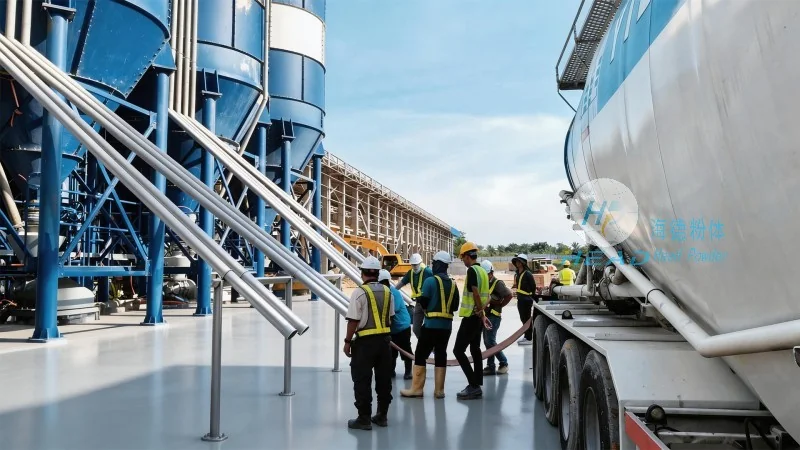
Understanding the Core Requirements of Your Fertilizer Handling Process
Before diving into system selection, it's essential to evaluate your specific operational needs. Compound fertilizers vary in composition, moisture content, particle size, and flowability, each of which influences the type of pneumatic conveying system best suited for your application. For instance, high-moisture or sticky materials may require systems with enhanced air flow or specialized hopper designs to prevent blockages. Similarly, the distance between storage silos and processing units, as well as the required throughput capacity, will dictate whether a low-pressure or high-pressure system is more appropriate.
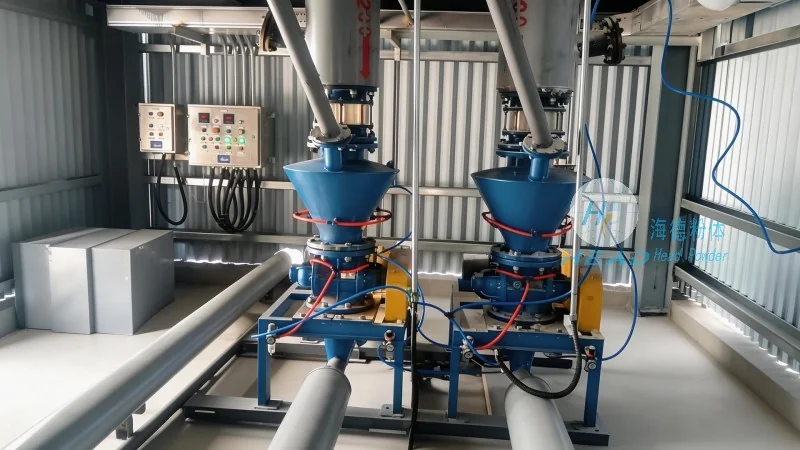
Types of Pneumatic Conveying Systems and Their Applications
HeadPowder specializes in designing and implementing both positive pressure and negative pressure pneumatic conveying systems, each with distinct advantages and use cases. Positive pressure systems, which blow air into the conveying line, are ideal for long-distance transport and handling abrasive or corrosive materials. They offer consistent flow rates and can operate in both horizontal and vertical orientations. Negative pressure systems, on the other hand, draw material into the system using suction, making them suitable for applications where dust control is a priority or where the material is sensitive to pressure changes. These systems are often preferred for short-distance transport or when integrating with existing dust collection equipment.
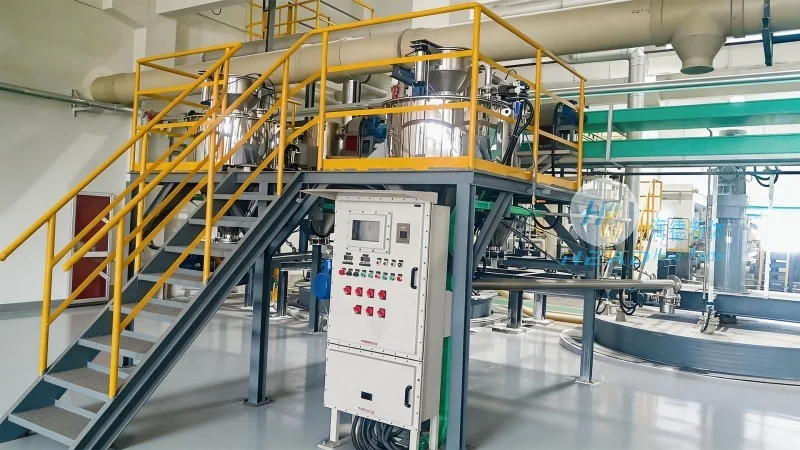
Key Factors to Consider When Selecting a System
When evaluating pneumatic conveying systems, several technical and operational factors should be weighed against your production goals. The first is the material's physical properties: particle size distribution, bulk density, and angle of repose all affect how easily the material can be conveyed. A system with adjustable air velocity and pressure can accommodate variations in these properties, ensuring stable operation. Second, the system's energy efficiency is a critical cost consideration. Modern systems often incorporate energy recovery mechanisms or variable frequency drives to reduce power consumption, which can lead to significant savings over time. Third, maintenance and operational flexibility are important. Systems with modular components and easy access for cleaning and repair reduce downtime and improve long-term reliability. Additionally, the system's compatibility with existing infrastructure, such as silos, hoppers, and packaging lines, should be considered to minimize integration challenges.
Customization and Integration Services from HeadPowder
HeadPowder's engineering expertise lies in tailoring pneumatic conveying solutions to meet the unique demands of each client. Our team conducts thorough site assessments to identify the optimal system configuration, considering factors like space constraints, environmental regulations, and future expansion plans. We offer customized designs that integrate seamlessly with existing equipment, ensuring minimal disruption to production. For example, our systems can be equipped with advanced controls that monitor air pressure, flow rate, and material level in real-time, providing data-driven insights to optimize performance. This proactive approach helps clients achieve higher throughput, lower energy costs, and improved product consistency.
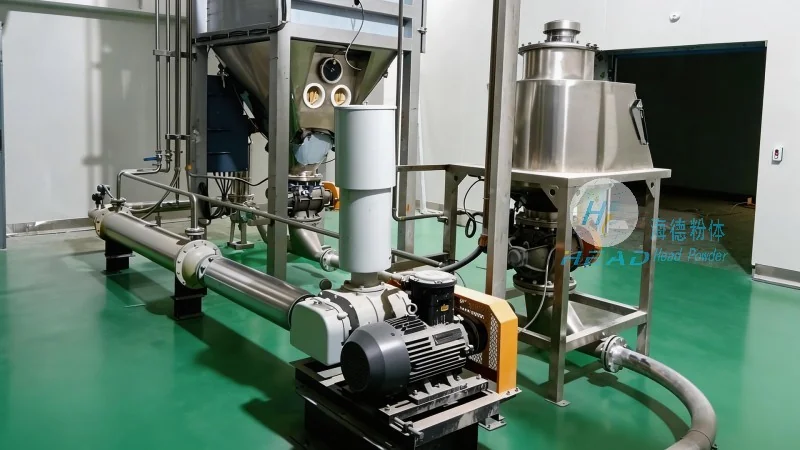
Conclusion: Making the Right Choice for Your Business
Selecting the right pneumatic conveying system for your compound fertilizer handling process is a strategic decision that requires careful analysis of your operational requirements and material characteristics. By partnering with a reputable engineering firm like Shandong HeadPowder Engineering Co., Ltd., you can leverage expert guidance to choose a system that enhances efficiency, reduces costs, and supports long-term growth. Whether you need a simple short-distance transport solution or a complex multi-stage system, HeadPowder's commitment to quality and customization ensures that your conveying needs are met with precision and reliability.