

How to Choose the Right Pneumatic Conveying System for Your Rice Handling Process
Rice processing facilities require efficient and reliable material handling solutions to ensure smooth operations from storage to packaging. Among the various technologies available, pneumatic conveying systems have emerged as a preferred choice for transporting rice due to their ability to handle delicate grains while maintaining product quality and hygiene standards. However, selecting the appropriate system for a specific rice handling process can be a complex task, influenced by factors such as grain characteristics, processing scale, and operational requirements. This article provides a comprehensive guide to help rice processors choose the right pneumatic conveying system, with insights from Shandong HeadPowder Engineering Co., Ltd., a leading provider of industrial material handling solutions based in Shandong, China.
Understanding the Importance of Pneumatic Conveying in Rice Handling
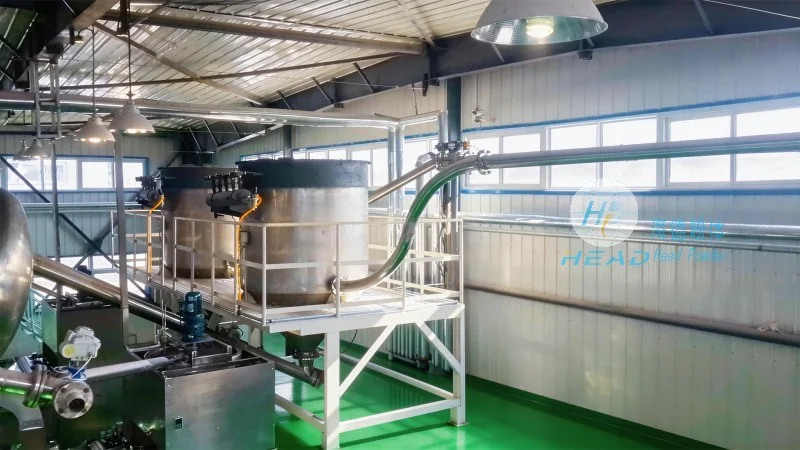
Pneumatic conveying systems use air to transport bulk materials like rice through a network of pipes, offering several advantages over traditional methods like belt conveyors or bucket elevators. These systems are particularly suitable for rice because they minimize product breakage, prevent contamination, and allow for seamless integration with other processing equipment. The choice of system type—whether positive pressure, negative pressure, or a combination—depends on the specific needs of the rice processing line, including the distance to be covered, the volume of material to be handled, and the required speed of transport.
Key Factors to Consider When Selecting a Pneumatic Conveying System for Rice
When evaluating pneumatic conveying systems for rice handling, several critical factors must be considered to ensure optimal performance and cost-effectiveness. First, the physical properties of the rice grains, such as size, shape, and moisture content, play a significant role in determining the system's design. For example, long-grain rice may require a different pipe diameter and air velocity compared to short-grain varieties to prevent clogging or excessive wear on components. Second, the processing scale and throughput requirements dictate the system's capacity. A small-scale rice mill might opt for a low-capacity system, while a large-scale operation may need a high-capacity, multi-stage conveying system to handle large volumes efficiently.
Third, the distance between the source and destination of the rice is a crucial factor. For short distances, a simple positive pressure system with a single or double pipe configuration may suffice. However, for longer distances, more advanced systems like the Venturi or rotary valve types may be necessary to maintain consistent air pressure and prevent material degradation. Additionally, the need for product separation or cleaning between conveying stages should be evaluated, as this can impact the system's complexity and maintenance requirements.
Types of Pneumatic Conveying Systems for Rice Handling
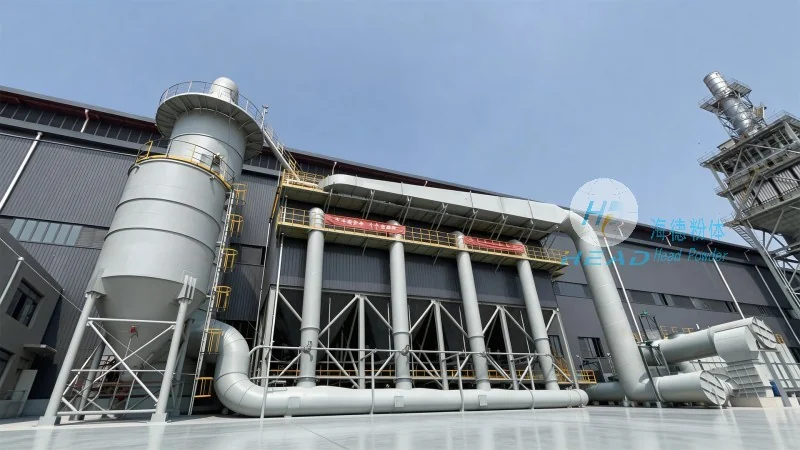
There are primarily two types of pneumatic conveying systems used in rice processing: positive pressure and negative pressure systems. Positive pressure systems force air and material through the pipeline using a blower or compressor at the inlet, while negative pressure systems create a vacuum at the outlet to draw material into the pipe. Each type has its own advantages and is suitable for different applications.
Positive pressure systems are commonly used for short to medium-distance conveying and are ideal for applications where the rice needs to be transported to a specific location without the risk of backflow or contamination. They are particularly effective for handling fine or powdery rice fractions, as the high air velocity helps prevent clogging. On the other hand, negative pressure systems are better suited for longer distances or when the rice is to be collected from multiple points and transported to a central collection point. These systems are often more energy-efficient for long runs but may require more maintenance due to the higher vacuum levels.
Role of Shandong HeadPowder Engineering Co., Ltd. in Providing Customized Solutions
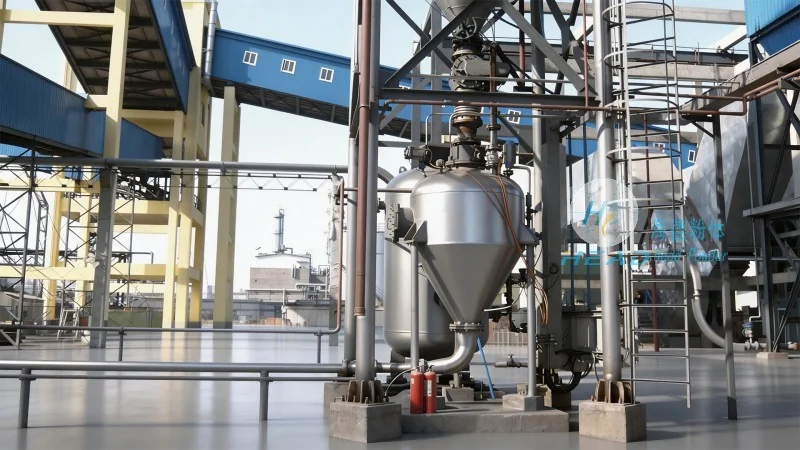
Shandong HeadPowder Engineering Co., Ltd., based in Shandong, China, specializes in designing and manufacturing customized pneumatic conveying systems tailored to the unique needs of rice processors. The company understands that each rice handling facility has distinct requirements, and their team of engineers works closely with clients to assess their operational challenges and recommend the most suitable system. By leveraging years of experience in the industry, HeadPowder provides solutions that not only meet but exceed industry standards for efficiency, reliability, and product integrity.
The company's approach involves a thorough analysis of the client's process flow, material characteristics, and operational goals. This ensures that the final system design is optimized for performance, energy consumption, and maintenance costs. HeadPowder's products are engineered to handle the specific challenges of rice, such as preventing grain breakage, maintaining moisture levels, and ensuring consistent flow rates. The company also offers after-sales support and maintenance services to ensure the longevity and optimal performance of the conveying systems.
Conclusion: Making the Right Choice for Your Rice Handling Process
Selecting the right pneumatic conveying system for a rice handling process is a critical decision that impacts operational efficiency, product quality, and overall profitability. By considering factors such as grain characteristics, processing scale, and conveying distance, rice processors can make an informed choice. With the expertise and experience of companies like Shandong HeadPowder Engineering Co., Ltd., the process becomes more manageable, ensuring that the chosen system meets all requirements and delivers long-term benefits. Ultimately, the goal is to achieve a seamless, efficient, and cost-effective material handling solution that supports the success of the rice processing operation.