

How to Choose the Right Pneumatic Conveying System for Your Clay Handling Process?
Clay handling processes in industrial applications often require efficient and reliable material transport solutions to ensure smooth production workflows. Selecting the appropriate pneumatic conveying system is crucial for optimizing performance, minimizing downtime, and maintaining product quality. This article provides insights into the key factors to consider when choosing a pneumatic conveying system tailored to clay handling operations, with a focus on the expertise and solutions offered by Shandong HeadPowder Engineering Co., Ltd.
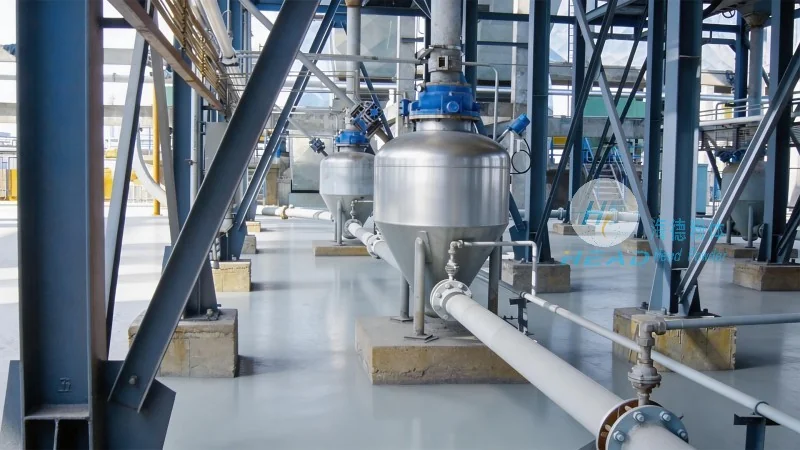
Understanding the Importance of Pneumatic Conveying for Clay Handling
Clay, a versatile material used in various industries such as ceramics, construction, and pharmaceuticals, presents unique challenges during transportation. Traditional methods like belt conveyors or bucket elevators may not be suitable due to the material's moisture content, abrasive nature, or tendency to clog. Pneumatic conveying systems offer a more controlled and hygienic approach to move clay from storage to processing units, reducing the risk of contamination and material degradation.
Key Considerations for Selecting a Pneumatic Conveying System
When evaluating pneumatic conveying systems for clay handling, several critical factors must be addressed to ensure optimal performance. The first consideration is the type of clay being handled—whether it's wet, dry, or a mix of both. Wet clay requires systems designed to handle moisture, often involving positive pressure or vacuum-assisted solutions to prevent clogging and maintain flow. Dry clay, on the other hand, may be suitable for both positive and negative pressure systems, depending on the distance and material characteristics.
Another crucial factor is the distance and layout of the conveying route. For short distances, a simple positive pressure system with a single or dual pipe configuration may suffice. However, for longer distances or complex layouts, more advanced systems like multi-stage vacuum or pressure-assisted setups are recommended. The system's capacity and flow rate must also align with the production requirements, ensuring that the conveying speed meets the processing needs without causing excessive pressure drops or material degradation.
Types of Pneumatic Conveying Systems for Clay Handling
There are primarily two types of pneumatic conveying systems used in clay handling: positive pressure and negative pressure systems. Positive pressure systems use compressed air to push the material through a pipeline, making them ideal for short to medium distances and handling dry, non-abrasive materials. These systems are often more cost-effective for smaller-scale operations and offer better control over material flow.
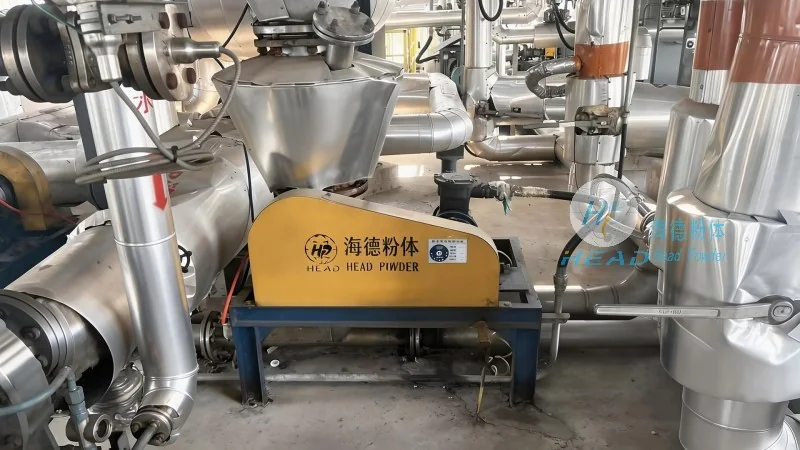
Negative pressure systems, or vacuum systems, use suction to draw material from the source and transport it to the destination. They are particularly suitable for longer distances, handling fine powders, and applications where dust containment is critical. Vacuum systems are often preferred in industries where hygiene and product purity are paramount, such as pharmaceuticals or food processing. For clay handling, a combination of both systems may be employed, especially in complex production lines requiring both transport and dust collection.
HeadPowder's Expertise in Pneumatic Conveying Solutions
Shandong HeadPowder Engineering Co., Ltd., a leading provider of industrial material handling solutions, specializes in designing and manufacturing customized pneumatic conveying systems tailored to the unique needs of clay handling processes. With years of experience in the industry, HeadPowder understands the challenges associated with transporting clay and offers innovative solutions that enhance efficiency and reliability.
HeadPowder's team of engineers works closely with clients to assess their specific requirements, including the type of clay, production volume, and operational constraints. By conducting thorough site surveys and material analysis, they develop tailored system designs that optimize performance while minimizing energy consumption and maintenance costs. The company's commitment to quality is evident in its use of high-grade materials and adherence to international standards, ensuring that their systems meet the highest industry benchmarks.
HeadPowder's pneumatic conveying systems for clay handling are designed to handle a wide range of clay types, from fine powders to bulk materials. The systems are equipped with features such as adjustable air flow controls, material separation units, and dust filtration systems to maintain product quality and ensure compliance with environmental regulations. Additionally, the company offers comprehensive after-sales support, including installation, maintenance, and technical assistance, to ensure that clients can maximize the lifespan and efficiency of their conveying systems.
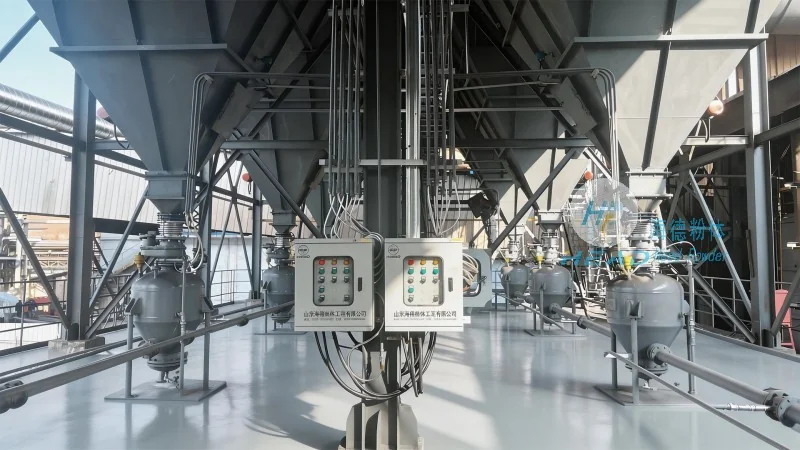
Evaluating System Performance and Maintenance
When selecting a pneumatic conveying system for clay handling, it is essential to evaluate its performance and maintenance requirements. Key performance indicators include the system's capacity, pressure drop, and energy efficiency. A well-designed system should maintain consistent flow rates while minimizing pressure losses, which can lead to reduced air consumption and lower operational costs.
Maintenance is another critical aspect to consider, as pneumatic conveying systems require regular upkeep to ensure long-term reliability. HeadPowder's systems are engineered with easy access points for cleaning and maintenance, reducing downtime and ensuring that the system operates at peak performance. The company also provides training and support to clients on proper maintenance procedures, helping them to extend the lifespan of their equipment and avoid costly repairs.
Conclusion: Choosing the Right Pneumatic Conveying System for Your Clay Handling Process
Selecting the appropriate pneumatic conveying system for clay handling is a critical decision that can significantly impact operational efficiency and product quality. By considering factors such as clay type, conveying distance, and system capacity, along with the expertise of a reliable partner like Shandong HeadPowder Engineering Co., Ltd., businesses can ensure that their material transport processes are optimized for performance and reliability.
HeadPowder's commitment to innovation, quality, and customer satisfaction makes them a trusted choice for companies seeking to enhance their clay handling operations. With their customized pneumatic conveying solutions, businesses can achieve efficient material transport, reduce downtime, and maintain the highest standards of product quality. By partnering with HeadPowder, companies can streamline their production processes and stay competitive in today's demanding industrial landscape.