

Which Methods Can Be Used for Aluminum Powder Conveying?
When it comes to the efficient and safe transportation of aluminum powder, selecting the right conveying method is crucial for industrial operations. Aluminum powder, due to its fine particle size and potential for dust explosion risks, requires specialized handling techniques. This article explores various methods used for aluminum powder conveying, highlighting the considerations and applications in industrial settings.
Common Conveying Methods for Aluminum Powder
Several methods are commonly employed in the industry to transport aluminum powder, each with its own advantages and specific use cases. Understanding these methods helps in choosing the most suitable option based on the production scale, material properties, and operational environment.
Pneumatic Conveying Systems
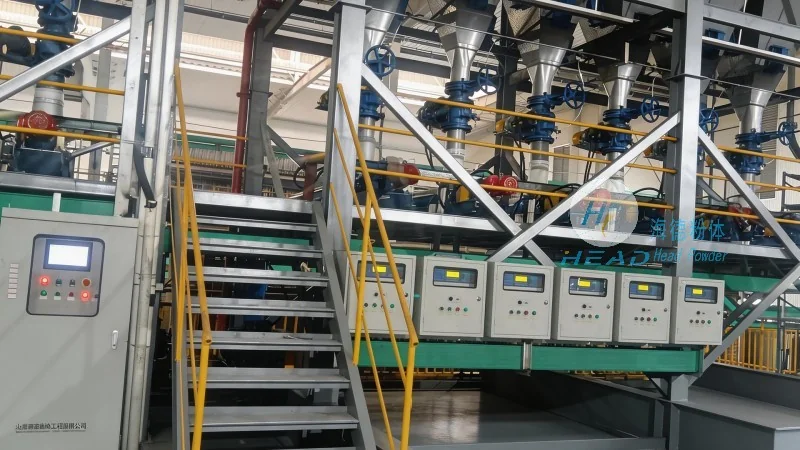
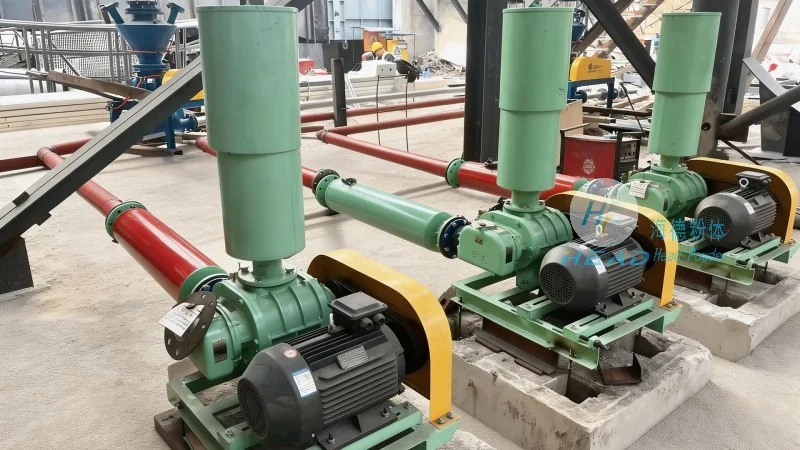
Pneumatic conveying is a widely used method for aluminum powder transport. This technique utilizes air or gas to move the powder through a pipeline. There are two main types: pressure and vacuum systems. Pressure systems use compressed air to push the powder, while vacuum systems use a vacuum to draw the material. Pneumatic conveying offers advantages such as low maintenance, the ability to handle fine powders, and the option for long-distance transport. However, it requires careful control of air flow and pressure to prevent material degradation or blockages. For example, in the production of aluminum powder for pyrotechnics or metal powders, pneumatic systems are often preferred due to their efficiency in handling small particles without causing excessive friction or heat generation.
Mechanical Conveying Systems
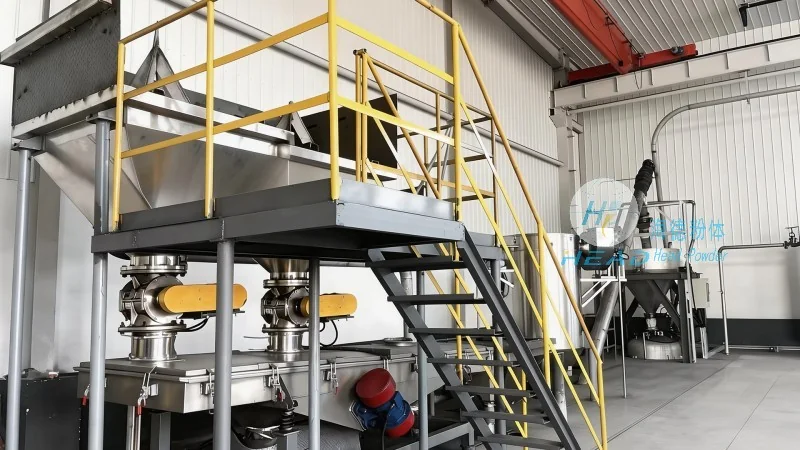
Mechanical conveying methods, such as screw conveyors and belt conveyors, are also utilized for aluminum powder transport. Screw conveyors use a rotating screw to move the powder along a trough. This method is suitable for horizontal or slightly inclined transport and is effective for moderate to high volumes. Belt conveyors, on the other hand, use a continuous belt to transport the powder, which is ideal for longer distances and larger quantities. Mechanical systems are generally more cost-effective and easier to install compared to pneumatic systems. However, they may not be as suitable for very fine powders or when high precision in particle handling is required. In industrial applications, mechanical conveyors are often used in the initial stages of material processing, where the powder is moved from storage to processing equipment.
Hybrid Conveying Solutions
Hybrid systems combine pneumatic and mechanical elements to leverage the benefits of both methods. For instance, a system might use a screw conveyor to feed material into a pneumatic line, ensuring efficient transport while maintaining control over the material flow. These hybrid solutions are particularly useful in complex production lines where different conveying requirements are present at various stages. The integration of mechanical and pneumatic components allows for flexibility in handling varying particle sizes and flow rates, making hybrid systems a versatile choice for aluminum powder conveying in diverse industrial applications.
Key Considerations for Aluminum Powder Conveying
When selecting a conveying method for aluminum powder, several factors must be considered to ensure safety, efficiency, and product quality. First, the risk of dust explosion is a critical concern. Proper explosion-proof designs and dust collection systems are essential to mitigate this risk. Second, the material's properties, such as particle size, moisture content, and flowability, influence the choice of conveying system. Fine powders may require more gentle handling to avoid agglomeration or degradation. Third, the scale of operation and the distance over which the powder needs to be transported also play a role. For short distances and moderate volumes, mechanical conveyors might suffice, while long-distance or high-volume transport may necessitate pneumatic systems. Additionally, the cost of installation, maintenance, and energy consumption should be evaluated to ensure the chosen method is economically viable for the specific application.
Application Examples in Industrial Settings
Aluminum powder conveying methods are applied across various industries, including aerospace, automotive, and chemical manufacturing. In the aerospace industry, aluminum powder is used in the production of lightweight components and pyrotechnic devices. The conveying systems must ensure the powder is transported without contamination or degradation, which is critical for maintaining the quality of the final product. In automotive manufacturing, aluminum powder is used in the production of aluminum alloys for engine parts. The conveying process must be efficient and reliable to meet the high production demands of the automotive sector. In chemical manufacturing, aluminum powder is used in the production of various chemicals and coatings. The conveying systems must be designed to handle the specific properties of the powder, such as its reactivity and potential for dust explosions. These applications highlight the importance of selecting the appropriate conveying method to meet the unique requirements of each industry.