

Electrolytic Lime Pneumatic Conveying Technology: Principles, Applications, and Development Trends
Electrolytic lime, a critical material in industrial processes, demands efficient and reliable transportation methods to ensure optimal performance across diverse applications. Pneumatic conveying technology has become a preferred solution for handling electrolytic lime, offering advantages such as dust-free operation, reduced material degradation, and enhanced safety. This article explores the fundamental principles of pneumatic conveying for electrolytic lime, its practical applications across various industries, and the evolving trends in this technology.
Principles of Pneumatic Conveying for Electrolytic Lime
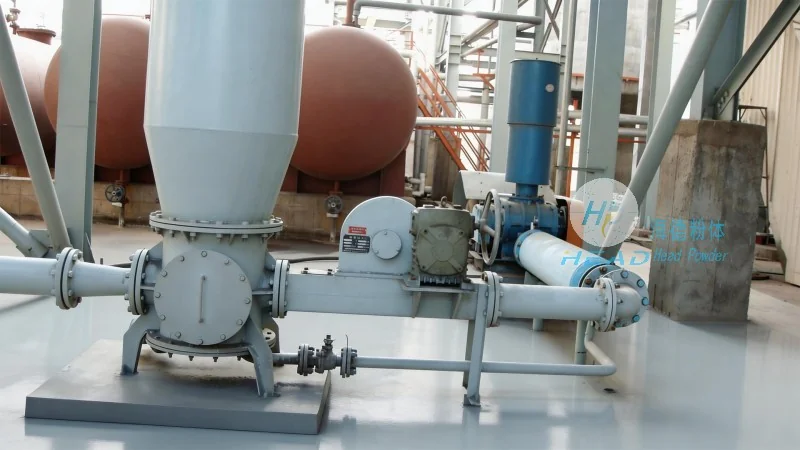
Pneumatic conveying involves the movement of solid materials, like electrolytic lime, through a pipeline using air or gas as the conveying medium. The process relies on the creation of a pressure differential or velocity difference to transport the material. There are two primary types of pneumatic conveying systems: pressure and vacuum systems. In pressure systems, compressed air is introduced at the material inlet, generating a positive pressure that pushes the material through the pipeline. Vacuum systems, conversely, use a vacuum at the discharge end to draw the material from the source. For electrolytic lime, typically in fine powder or granular form, the system choice depends on factors like material characteristics, conveying distance, and required flow rate. The design of the conveying system—including pipeline diameter, air velocity, and pressure drop—is critical to achieving efficient and stable operation. Proper air flow management ensures material suspension and transport without clogging or excessive wear on system components.
Applications of Electrolytic Lime Pneumatic Conveying
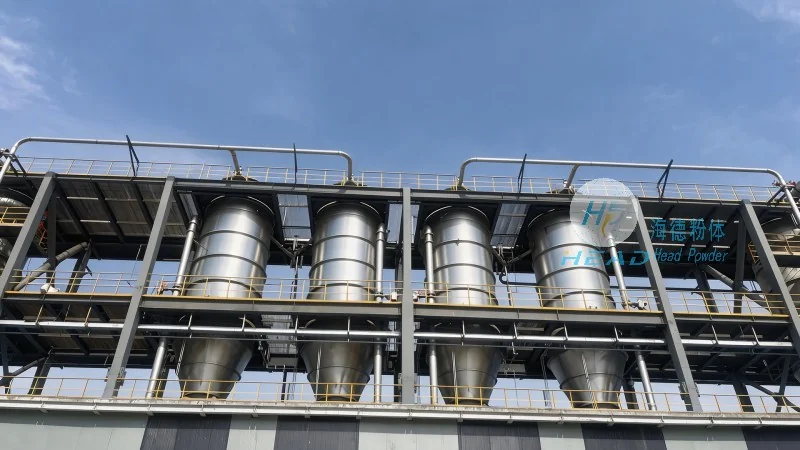
Electrolytic lime is widely used in industries such as chemical manufacturing, water treatment, and environmental remediation. Pneumatic conveying technology is particularly valuable here due to its ability to handle the material in a controlled manner. In chemical plants, electrolytic lime serves as a neutralizing agent in processes involving acidic waste streams. Pneumatic conveying allows precise delivery to reactors, ensuring consistent reaction conditions and minimizing contamination risk. Water treatment facilities rely on electrolytic lime to adjust pH levels and remove impurities. The technology enables efficient transport to treatment tanks or clarifiers, enhancing water purification effectiveness. In environmental applications like flue gas desulfurization, electrolytic lime captures sulfur dioxide from industrial emissions. Pneumatic conveying provides continuous, reliable supply to desulfurization units, improving air quality and regulatory compliance. Additionally, in calcium-based product production (e.g., calcium carbonate or calcium chloride), electrolytic lime acts as a raw material. The technology ensures uniform delivery to processing equipment, optimizing yields and reducing downtime.
Development Trends in Electrolytic Lime Pneumatic Conveying
The field of pneumatic conveying for electrolytic lime is continuously evolving, driven by the need for higher efficiency, lower energy consumption, and enhanced automation. One key trend is the adoption of advanced control systems that optimize air flow and pressure, leading to more efficient material transport. These systems use sensors and feedback mechanisms to adjust conveying parameters in real-time, ensuring consistent performance even with varying material conditions. Another trend is the integration of automation and robotics in the conveying process. Automated feeding and discharge systems reduce manual intervention, improving safety and labor costs. The use of high-performance materials in pipeline construction (e.g., corrosion-resistant alloys, wear-resistant coatings) extends equipment lifespan and minimizes maintenance. Furthermore, compact and modular conveying systems allow easier installation and integration into existing facilities, offering flexibility in process design. Sustainability and energy efficiency are also driving innovation. Researchers explore alternative energy sources (e.g., renewable energy) to power conveying systems, reducing industrial carbon footprints. Intelligent monitoring and predictive maintenance technologies help identify issues before failures, improving reliability and reducing downtime.
About Shandong HeadPowder Engineering Co., Ltd.
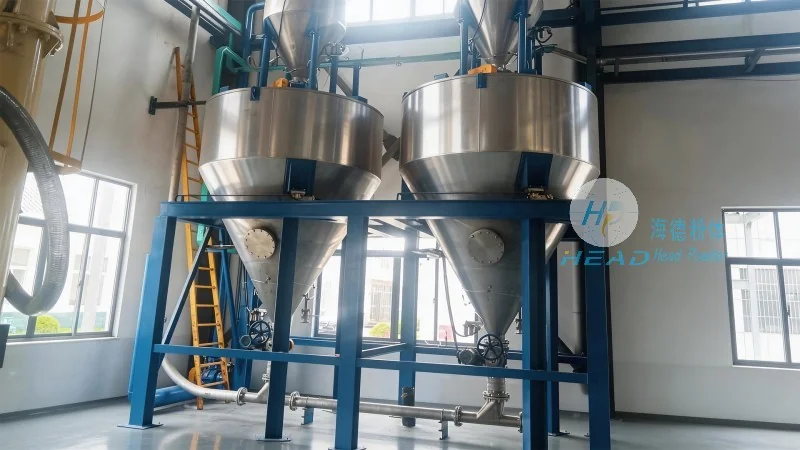
Shandong HeadPowder Engineering Co., Ltd., a leading provider of pneumatic conveying solutions, specializes in designing, manufacturing, and installing systems tailored to diverse industrial needs. With a strong commitment to quality and innovation, the company has established itself as a trusted partner in material handling. HeadPowder’s expertise lies in applying advanced pneumatic conveying technologies for handling materials like electrolytic lime, ensuring efficient and reliable operation for clients. The company’s facilities are located in Shandong, China, where it leverages local resources and expertise to deliver high-quality products and services. By combining technical knowledge with practical experience, HeadPowder continues to advance the state-of-the-art in pneumatic conveying technology, supporting the growth and success of its clients in various industrial sectors.