

Cement Dust Pneumatic Conveying Technology: Principles, Applications, and Development Trends
HeadPowder, a leading enterprise in the field of powder processing equipment, specializes in the research, development, and manufacturing of advanced pneumatic conveying systems for cement dust and other fine powders. This article provides an in-depth exploration of the principles, practical applications, and future trends of cement dust pneumatic conveying technology, highlighting the technical advantages and industry relevance of such systems.
Principles of Pneumatic Conveying for Cement Dust
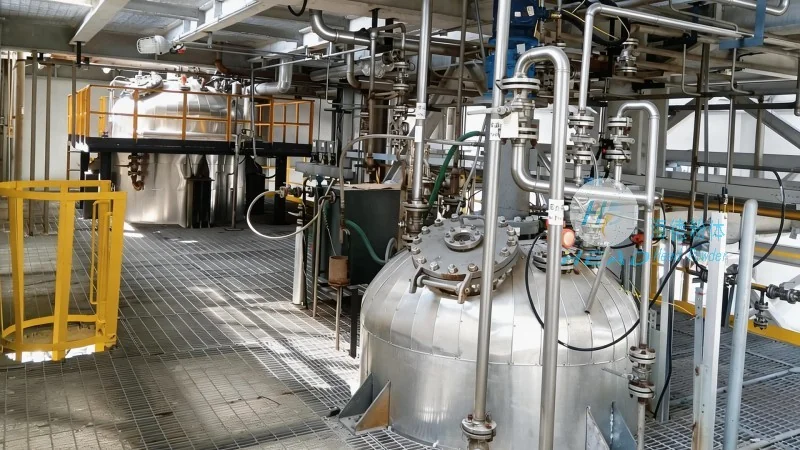
The core principle of pneumatic conveying involves transporting particulate materials like cement dust through a pipeline using compressed air or vacuum. There are two primary types of systems: positive pressure and negative pressure. Positive pressure systems utilize a blower to generate air pressure that pushes the material through the pipeline, while negative pressure systems employ a vacuum pump to draw the material into the pipeline. For cement dust, which is typically fine and prone to dusting, positive pressure systems are often preferred due to their ability to maintain consistent flow rates and minimize material degradation. The selection of the appropriate system depends on factors such as the material's properties, the distance of transport, and the required flow rate. In positive pressure systems, the air velocity must be sufficient to overcome the material's resistance to flow, ensuring that the particles remain suspended and move smoothly through the pipeline. This is typically achieved by maintaining an air velocity above the material's terminal velocity, which varies based on the particle size, density, and shape of the cement dust. Proper design of the conveying line, including the use of appropriate pipe diameters, bends, and elbows, is crucial to minimize pressure losses and ensure efficient material transport. Additionally, the use of air filters and cyclone separators is essential to prevent dust accumulation and maintain system performance.
Applications in Cement Industry and Related Fields
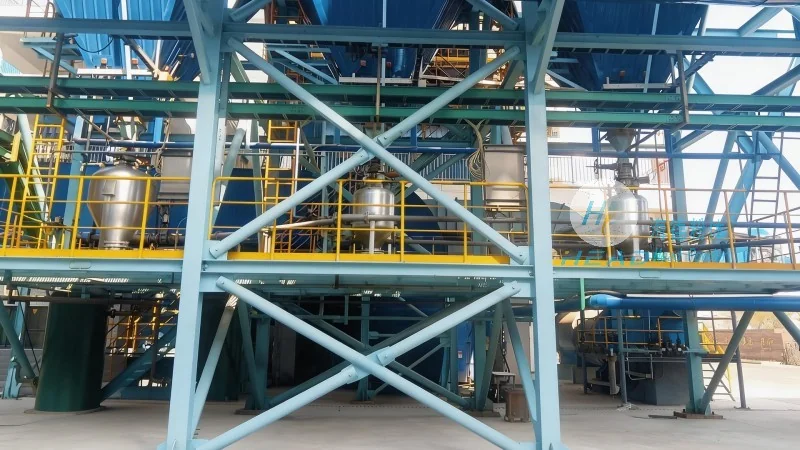
Cement dust pneumatic conveying technology finds extensive application in the cement manufacturing industry, as well as in other sectors that handle fine powders. In cement plants, the technology is used to transport raw materials such as limestone, clay, and gypsum from storage silos to the grinding mills, as well as to convey finished cement products from the storage silos to the packaging or loading areas. The ability to handle large volumes of material with minimal manual intervention makes this technology highly efficient for industrial-scale operations. Beyond the cement industry, pneumatic conveying is also widely used in the chemical, pharmaceutical, food, and agricultural sectors for the transport of various powders, including chemicals, pharmaceuticals, food additives, and agricultural fertilizers. The versatility of the technology allows it to be adapted to different material characteristics and process requirements, making it a preferred choice for many industries that require reliable and efficient powder handling solutions.
Key Technical Advantages and Performance Characteristics
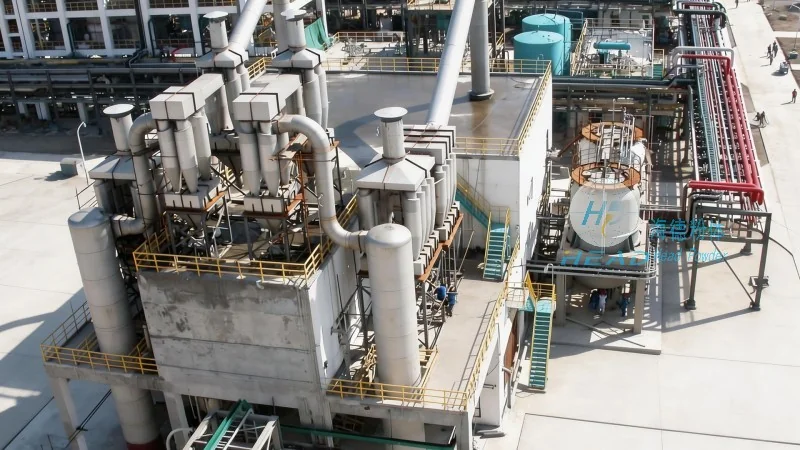
HeadPowder's pneumatic conveying systems for cement dust offer several technical advantages that enhance operational efficiency and material quality. One of the primary advantages is the ability to maintain a consistent flow rate, which is critical for processes that require precise material control. The systems are designed to handle a wide range of material properties, including different particle sizes, densities, and moisture contents, without compromising performance. This adaptability makes the systems suitable for various cement dust applications, from raw material transport to finished product handling. Another key advantage is the reduced risk of material contamination and degradation compared to traditional methods such as bucket elevators or belt conveyors. Pneumatic conveying systems operate in a closed environment, minimizing exposure to external contaminants and preventing the agglomeration of fine particles, which can affect the quality of the cement. Additionally, the systems are designed for energy efficiency, with optimized air flow and pressure control that reduce energy consumption while maintaining high transport efficiency. The use of advanced control systems allows for real-time monitoring and adjustment of the conveying parameters, ensuring optimal performance and minimizing downtime.
Future Trends and Technological Innovations
The field of cement dust pneumatic conveying technology is continuously evolving, with several trends and innovations shaping its future development. One of the key trends is the increasing adoption of automated and intelligent control systems. Modern pneumatic conveying systems are equipped with sensors and control modules that allow for real-time monitoring of flow rates, pressure, and material levels. This enables operators to make informed decisions and adjust the system parameters as needed, improving overall efficiency and reducing operational costs. Another trend is the integration of digital technologies, such as the Internet of Things (IoT) and artificial intelligence (AI), to enhance system performance and predictive maintenance. IoT sensors can collect data on system performance and send alerts when maintenance is required, reducing unexpected downtime and extending the lifespan of the equipment. AI algorithms can analyze historical data to optimize conveying parameters and predict potential issues before they occur, further improving system reliability. Additionally, there is a growing focus on sustainability and energy efficiency in pneumatic conveying systems. Manufacturers are developing more efficient blower and vacuum pump designs that reduce energy consumption while maintaining high transport capacity. The use of energy recovery systems, such as regenerative blowers, is also becoming more common, allowing for the recovery of energy from the exhaust air and reducing overall energy costs. Furthermore, the development of more durable and corrosion-resistant materials for the conveying line components is improving the longevity of the systems and reducing maintenance requirements. These technological advancements are expected to further enhance the performance and reliability of cement dust pneumatic conveying systems, making them an even more attractive solution for industrial powder handling applications.
Conclusion
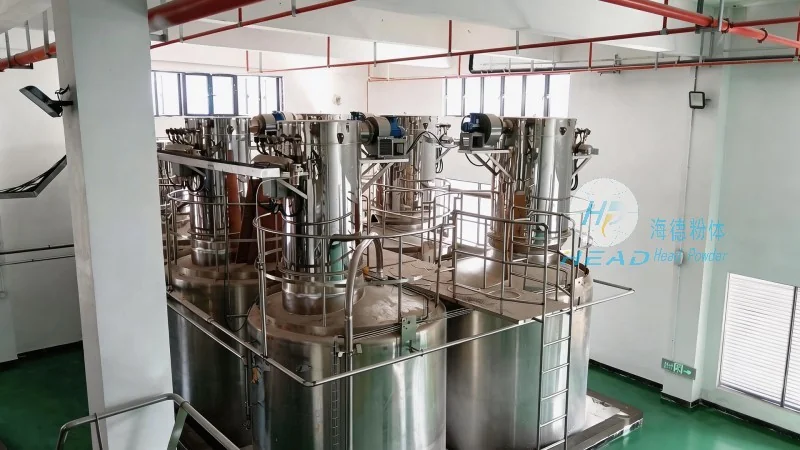
HeadPowder's cement dust pneumatic conveying technology represents a sophisticated and efficient solution for the transport of fine powders in various industrial applications. By understanding the principles of pneumatic conveying, selecting the appropriate system type, and leveraging advanced control and monitoring technologies, industries can achieve reliable, cost-effective, and environmentally friendly material handling solutions. As technological innovations continue to advance, the future of cement dust pneumatic conveying is promising, with further improvements in efficiency, automation, and sustainability expected to drive its adoption in more sectors. For businesses seeking to optimize their powder handling processes, investing in advanced pneumatic conveying systems from HeadPowder can provide significant benefits in terms of operational efficiency, material quality, and overall process reliability.