

Introduction to Negative Pressure Vacuum Powder Handling Equipment: Structure and Working Principle
HeadPowder, a leading manufacturer based in Shandong, China, specializes in the design and production of advanced negative pressure vacuum powder handling equipment. This equipment is engineered to efficiently transport and handle bulk powders in various industrial applications, ensuring safe and reliable material transfer. The system operates under a negative pressure environment, which helps in controlling dust emissions and maintaining a clean working environment.
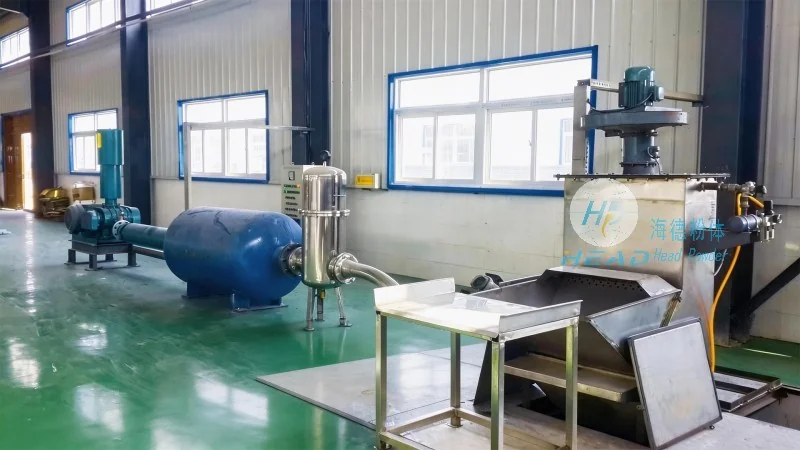
Key Components and Structural Design
The negative pressure vacuum powder handling system typically consists of several core components that work in tandem to achieve effective powder transport. The main parts include a vacuum pump, a hopper or feeder for material loading, a pipeline system for conveying the powder, and a dust collection or filtration unit. The structural design emphasizes durability and ease of maintenance, with components made from high-quality materials resistant to corrosion and wear from abrasive powders. The system is designed to handle a wide range of powder types, from fine powders to bulk materials, with adjustable settings to accommodate different material properties and flow rates.
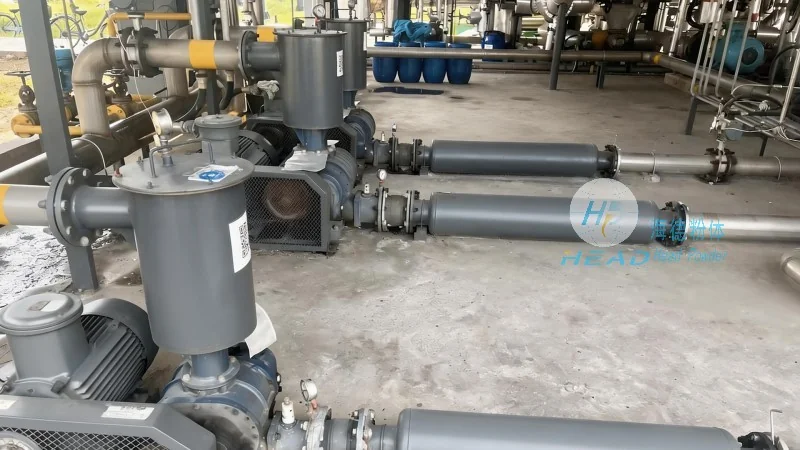
Working Principle of the Vacuum Powder Transport System
The operation of the negative pressure vacuum powder handling equipment is based on the principle of creating a pressure differential. The vacuum pump generates a low-pressure zone within the system, which draws the powder from the source (such as a hopper or storage bin) into the pipeline. As the powder is drawn, it moves through the pipeline under the influence of the vacuum, reaching the destination point where it is discharged. The system maintains a consistent negative pressure throughout the pipeline, preventing dust leakage and ensuring that the material is transported without spillage. The control system, often integrated with the equipment, allows for precise regulation of the vacuum level and flow rate, optimizing the transport process for different powder characteristics.
Advantages and Applications
HeadPowder's negative pressure vacuum powder handling equipment offers several advantages over traditional bulk material handling methods. These include improved safety by reducing dust exposure, enhanced efficiency through continuous and automated transport, and lower operational costs due to reduced material loss and energy consumption. The equipment is widely used in industries such as pharmaceuticals, food processing, chemical manufacturing, and mining, where the handling of powders requires strict control over dust and contamination. The system's ability to handle fine and abrasive powders without clogging or degradation makes it a preferred choice for applications where material quality is critical.
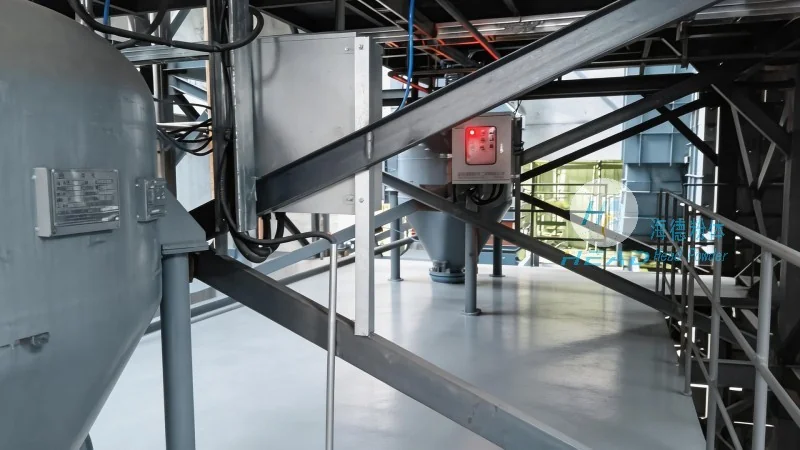
Maintenance and Operational Considerations
Proper maintenance is essential to ensure the long-term performance and reliability of the negative pressure vacuum powder handling system. Regular checks of the vacuum pump, pipeline integrity, and filtration systems are recommended to prevent issues such as blockages or reduced efficiency. The system's design facilitates easy access to components for cleaning and replacement, minimizing downtime. Operational considerations include proper material loading to avoid overfilling the hopper, which can lead to uneven flow and system strain. Additionally, the control system should be calibrated regularly to maintain optimal vacuum levels and flow rates, ensuring consistent performance over time.