

Introduction to Graphene Conveying Systems and the Advantages of Pneumatic Graphene Conveying
Graphene, a two-dimensional material with exceptional mechanical, electrical, and thermal properties, has become a key material in modern industrial applications. The efficient and safe transportation of graphene powder is crucial for its widespread use. This article introduces the graphene conveying system, focusing on the advantages and characteristics of pneumatic conveying technology.
Overview of Graphene Conveying Systems
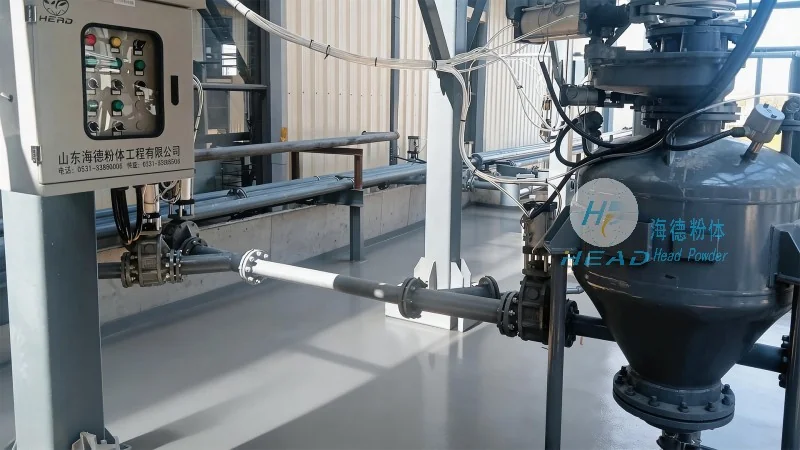
Graphene conveying systems are designed to handle the unique challenges of transporting fine, high-value graphene powder. These systems typically integrate components such as feeders, pneumatic conveyors, dust collectors, and storage silos. The design aims to minimize material loss, prevent contamination, and ensure consistent flow rates, which are critical for maintaining the quality of graphene products.
Advantages of Pneumatic Graphene Conveying
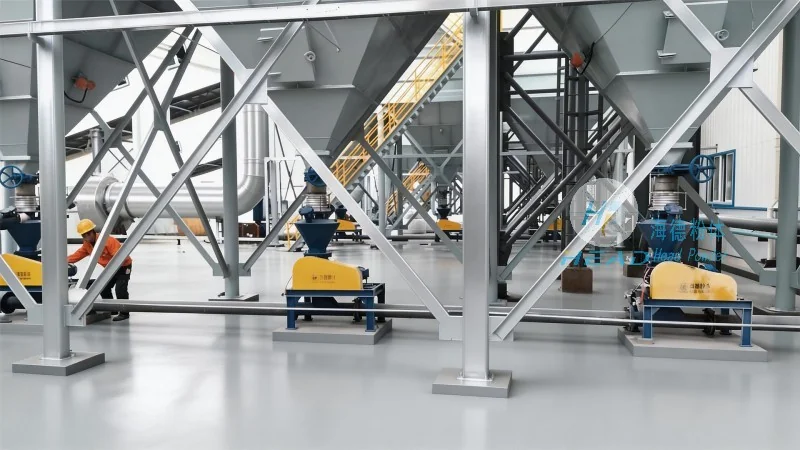
Pneumatic conveying offers several advantages over traditional mechanical conveying methods for graphene. Firstly, it provides a dust-free and enclosed environment, which is essential for maintaining the purity of graphene, especially when it is used in high-tech applications like electronics and composites. Secondly, pneumatic systems can handle fine powders without the risk of clogging or blockages that are common in mechanical systems. Thirdly, they offer flexibility in layout, allowing for horizontal, vertical, or complex path configurations to suit different plant layouts. Additionally, these systems can be integrated with automation controls, enabling precise control over the conveying process and reducing labor costs.
Key Features of the HeadPowder Graphene Conveying System
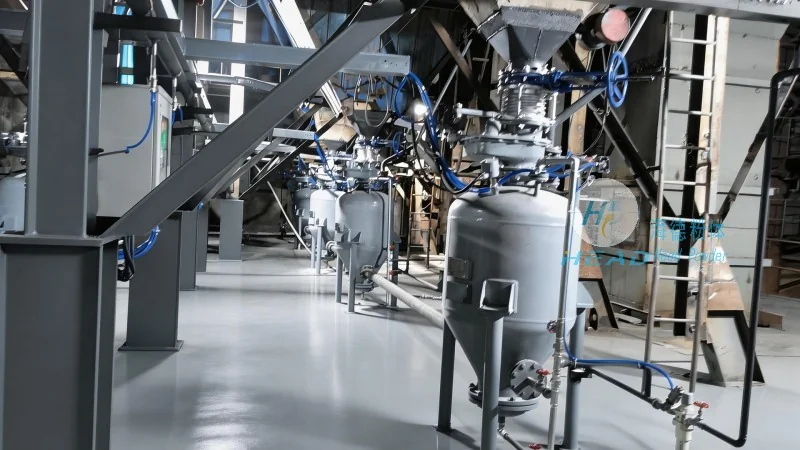
Shandong HeadPowder Engineering Co., Ltd., a leading provider of material handling solutions, has developed advanced graphene conveying systems tailored to the specific needs of the graphene industry. The system incorporates high-efficiency feeders that ensure uniform material flow, reducing the risk of agglomeration or uneven distribution. The pneumatic conveying section uses specialized ductwork and valves designed to handle fine powders, minimizing pressure drops and energy consumption. The dust collection system is equipped with advanced filtration technology to capture even the smallest particles, ensuring compliance with environmental regulations and maintaining product quality. The storage silos are constructed from corrosion-resistant materials, providing long-term storage stability for graphene powder.
Application Scenarios and Benefits
The graphene conveying system is widely used in various industries, including electronics, automotive, and aerospace. In the electronics industry, it is used to transport graphene for the production of flexible circuits and sensors. In the automotive sector, it is incorporated into composites to enhance strength and conductivity. The benefits of using this system include improved product quality, reduced material waste, and enhanced operational efficiency. Companies like Shandong HeadPowder Engineering Co., Ltd. have successfully implemented these systems in multiple facilities, resulting in significant cost savings and increased productivity.
Conclusion
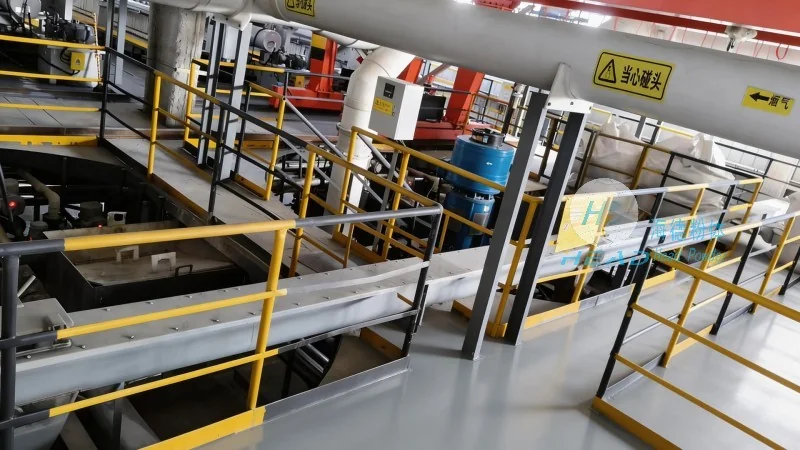
Graphene conveying systems, particularly those utilizing pneumatic technology, represent a significant advancement in material handling for high-value materials. The combination of enclosed transport, precise control, and efficient design ensures that graphene powder is handled safely and effectively. As the demand for graphene continues to grow, the importance of reliable conveying systems will only increase. Shandong HeadPowder Engineering Co., Ltd. remains at the forefront of developing innovative solutions that meet the evolving needs of the graphene industry, providing customers with systems that are both efficient and cost-effective.