

Zircon Sand Conveying System Introduction: Advantages and Features of Zircon Sand Pneumatic Conveyin
For industries dealing with zircon sand, efficient and reliable material handling is crucial to maintaining production efficiency and product quality. Zircon sand, a key raw material in various applications including ceramics, refractories, and chemical industries, requires specialized conveying solutions to ensure safe and effective transport. This article introduces the zircon sand conveying system, focusing on the benefits and characteristics of pneumatic conveying technology.
Understanding Zircon Sand and Its Conveying Requirements
Zircon sand is a naturally occurring mineral composed primarily of zirconium silicate, with high refractoriness and chemical stability. Its fine particle size and abrasive nature make traditional conveying methods, such as belt or screw conveyors, less suitable due to wear and maintenance issues. Pneumatic conveying offers a superior alternative by utilizing air to transport the material, minimizing direct contact with equipment and reducing wear.
Key Components of a Zircon Sand Pneumatic Conveying System
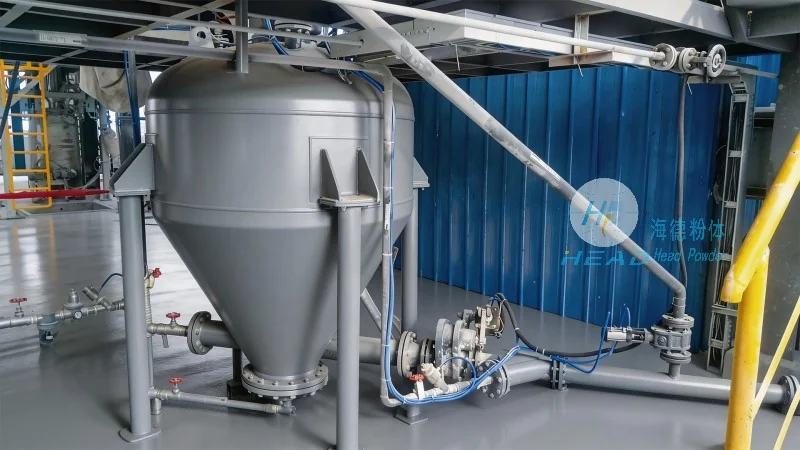
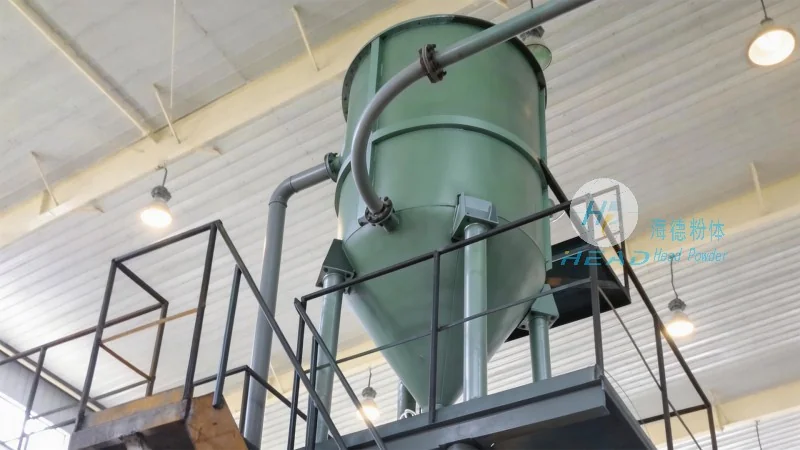
A typical zircon sand pneumatic conveying system consists of several critical components designed to handle the material's properties. The system includes a hopper for material storage, a feeder to control the flow rate, a conveying line (usually a pipe), a blower or compressor to generate the air flow, and a receiver for the discharged material. Each component is engineered to withstand the abrasive nature of zircon sand and ensure consistent performance.
Advantages of Pneumatic Conveying for Zircon Sand
Pneumatic conveying provides several advantages over traditional methods, making it the preferred choice for zircon sand transport. First, it offers high conveying capacity and flexibility, allowing for long-distance transport without the need for multiple transfer points. Second, the system is highly efficient in terms of energy consumption, as it minimizes material handling time and reduces downtime. Third, pneumatic conveying is safer and more hygienic, as it prevents dust contamination and eliminates the risk of material spillage. Additionally, the system is easy to clean and maintain, reducing operational costs over time.
Enhanced Product Quality and Safety
One of the most significant benefits of pneumatic conveying is the preservation of product quality. By avoiding direct contact with equipment, the system prevents contamination and maintains the purity of zircon sand, which is critical for applications where impurities can affect final product performance. The enclosed system also ensures better safety for operators, as it contains dust and prevents exposure to hazardous materials. This is particularly important in industries where zircon sand may have health implications if not handled properly.
Customization and Scalability
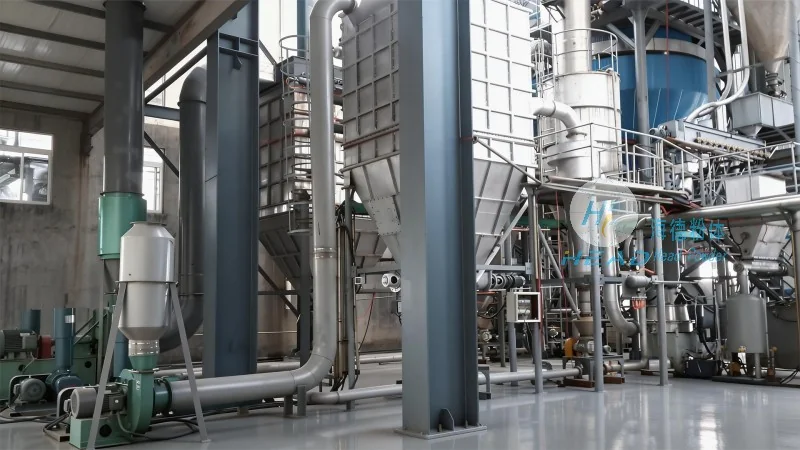
HeadPowder Engineering Co., Ltd., a leading provider of material handling solutions, offers customized zircon sand conveying systems tailored to specific customer needs. The company's expertise in pneumatic conveying technology allows for the design of systems that can be scaled to accommodate varying production volumes and operational requirements. Whether for small-scale operations or large industrial facilities, the systems are engineered to meet the highest standards of efficiency and reliability.
Conclusion: Choosing the Right Conveying Solution for Zircon Sand
For businesses in the zircon sand industry, investing in a well-designed pneumatic conveying system from a reputable supplier like Shandong HeadPowder Engineering Co., Ltd. is essential for optimizing production processes and ensuring product quality. The advantages of pneumatic conveying, including efficiency, safety, and flexibility, make it a superior choice compared to traditional methods. By selecting a customized system from HeadPowder, companies can enhance their operational performance and maintain a competitive edge in the market.