

What Comprises Sodium Hydroxide Pneumatic Conveying
Understanding the components of a sodium hydroxide pneumatic conveying system is crucial for ensuring efficient and safe material handling in industrial applications. This article explores the key elements that constitute such systems, providing insights into the technology used to transport this caustic substance effectively.
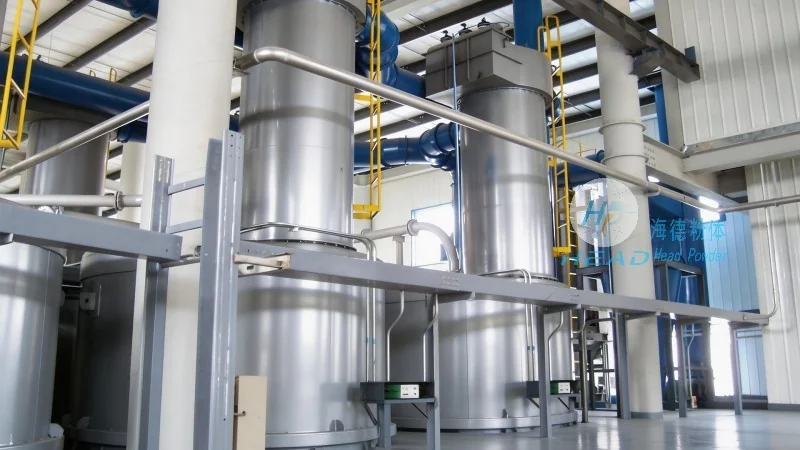
Key Components of the Pneumatic Conveying System
The core components of a sodium hydroxide pneumatic conveying system typically include the material feed hopper, the conveying pipeline, the air supply system, and the dust collection or filtration unit. Each component plays a vital role in the overall operation, contributing to the system's performance and reliability.
Firstly, the material feed hopper is responsible for storing and feeding the sodium hydroxide into the conveying line. It is designed to handle the bulk material and ensure a consistent flow rate, which is essential for maintaining the system's efficiency. The hopper may include features such as a rotary valve or a screw feeder to control the discharge of the material, preventing blockages and ensuring smooth operation.
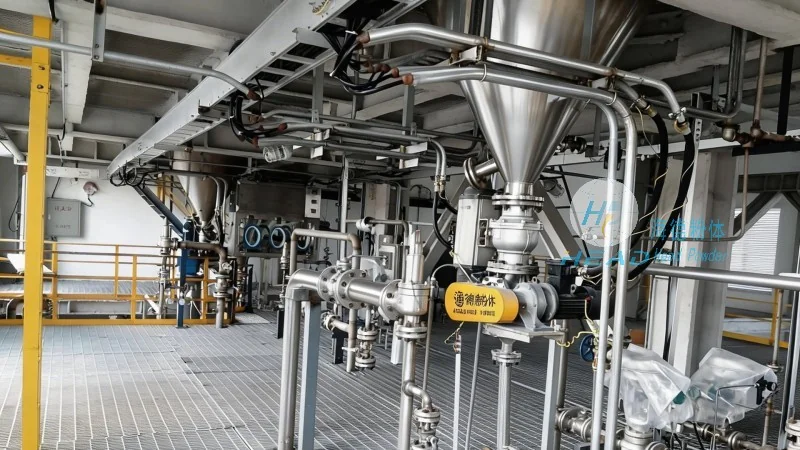
Secondly, the conveying pipeline is the main channel through which the sodium hydroxide is transported. The pipeline is usually made of materials resistant to corrosion, such as stainless steel or special alloys, to withstand the chemical properties of sodium hydroxide. The design of the pipeline, including the diameter and length, is critical as it affects the air velocity and pressure required for effective conveying. Properly sized and installed pipelines minimize pressure drop and energy consumption, enhancing the system's overall performance.
Thirdly, the air supply system is a critical component that provides the necessary airflow to move the material through the pipeline. This system typically includes a blower or a compressor, which generates the required pressure and volume of air. The choice of air supply equipment depends on the system's capacity and the distance the material needs to be conveyed. Efficient air supply ensures that the material is carried at the appropriate velocity, preventing deposition and ensuring a continuous flow.
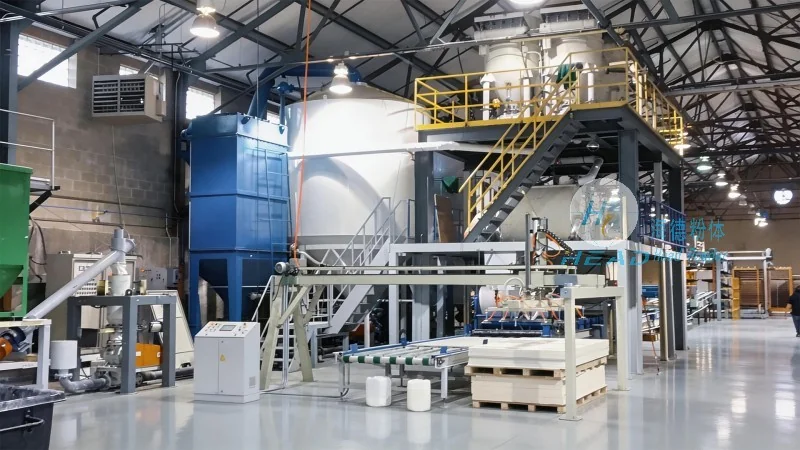
Lastly, the dust collection or filtration unit is essential for maintaining air quality and ensuring compliance with environmental regulations. As sodium hydroxide is a fine powder or granular material, it can generate dust during the conveying process. The filtration system captures these particles, preventing them from being released into the environment and protecting the health and safety of personnel. This component may include bag filters, cartridge filters, or other types of dust collectors, depending on the system's requirements.
Role of HeadPowder in Designing and Implementing Such Systems
Shandong HeadPowder Engineering Co., Ltd., commonly known as headpowder, is a leading provider of specialized engineering solutions for material handling systems. With years of experience in the industry, headpowder specializes in designing and manufacturing pneumatic conveying systems tailored to the unique needs of clients handling caustic substances like sodium hydroxide. The company's expertise lies in understanding the chemical properties of materials and selecting the appropriate components to ensure safe and efficient operation.
HeadPowder's team of engineers and technicians work closely with clients to assess their specific requirements, including the volume of material to be conveyed, the distance, and the environmental regulations in place. Based on this assessment, they design customized systems that incorporate the best available technology and materials. The company's commitment to quality and safety is evident in its adherence to industry standards and its focus on providing reliable solutions that meet or exceed client expectations.
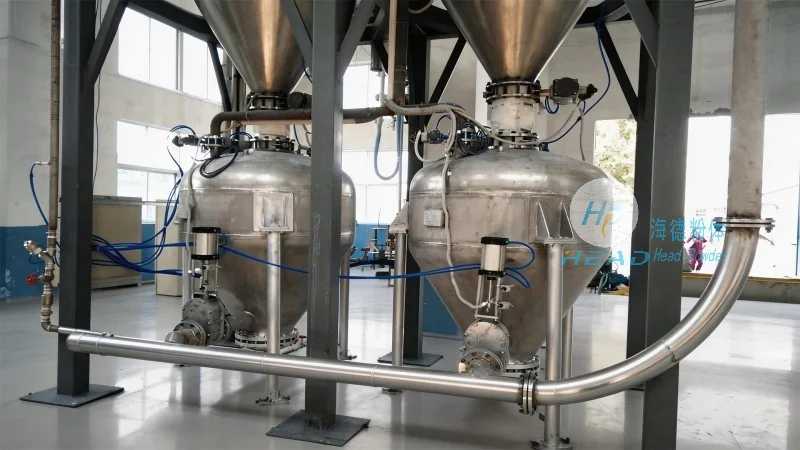
From the initial design phase to the final installation and commissioning, headpowder offers comprehensive services to ensure that the pneumatic conveying system operates at peak performance. This includes material testing, system testing, and ongoing maintenance support. By leveraging their expertise and experience, headpowder helps clients optimize their material handling processes, reduce operational costs, and enhance overall productivity.
Conclusion
In summary, a sodium hydroxide pneumatic conveying system comprises several key components, each playing a vital role in the efficient and safe transport of the material. From the feed hopper to the air supply system and the filtration unit, every element is carefully designed and selected to ensure optimal performance. Companies like Shandong HeadPowder Engineering Co., Ltd. play a crucial role in providing these specialized systems, leveraging their expertise to meet the unique needs of industrial clients. By understanding the components and the role of each part, industries can ensure the safe and efficient handling of sodium hydroxide, contributing to improved operational efficiency and compliance with environmental regulations.