

Several Solutions for Pneumatic Conveying of Activated Carbon
Activated carbon, a critical material in air purification, water treatment, and industrial processes, often requires efficient and reliable transportation methods to ensure optimal performance in downstream applications. Pneumatic conveying stands out as a preferred solution due to its ability to handle fine powders like activated carbon with minimal dust generation and low maintenance requirements. This article explores several effective approaches to the pneumatic conveying of activated carbon, highlighting the technical considerations and practical applications that make each method suitable for different operational scenarios.
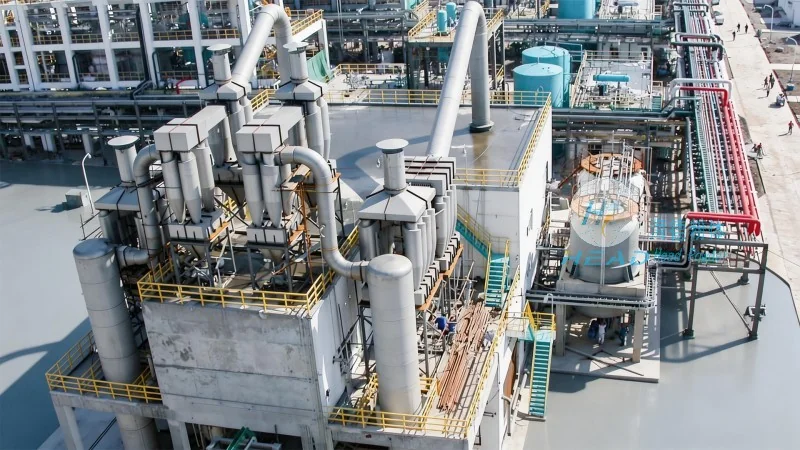
Key Considerations in Activated Carbon Pneumatic Conveying
Before delving into specific solutions, it is essential to understand the key factors that influence the choice of a pneumatic conveying system for activated carbon. The properties of activated carbon, such as its particle size, moisture content, and bulk density, play a significant role in determining the most suitable conveying method. Additionally, the distance to be covered, the required flow rate, and the environmental regulations governing dust emissions are critical parameters that must be evaluated. By addressing these considerations, operators can select a system that maximizes efficiency while minimizing operational costs and environmental impact.
Option 1: Positive Pressure Pneumatic Conveying
Positive pressure pneumatic conveying systems are widely used for activated carbon transport due to their robustness and ability to handle high flow rates. In this method, air is supplied under pressure to the conveying line, which transports the activated carbon from the source to the destination. The system typically includes a blower, a hopper, and a pipeline network. The positive pressure ensures that the material is continuously moved through the system, reducing the risk of blockages and ensuring consistent flow. This approach is particularly effective for short to medium distances and when high throughput is required. The use of positive pressure also allows for the integration of multiple hoppers or storage tanks, enabling flexible material handling. The system's design, including the selection of appropriate air velocities and pipeline diameters, is crucial to prevent material degradation and maintain the quality of the activated carbon.
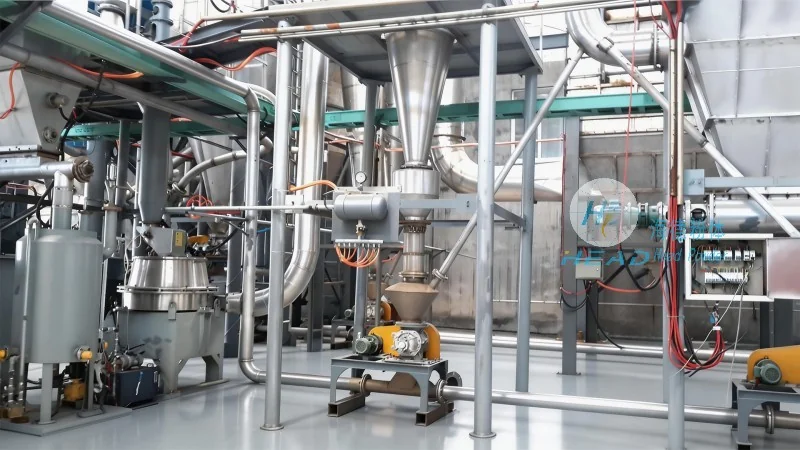
Option 2: Negative Pressure (Vacuum) Pneumatic Conveying
Negative pressure or vacuum pneumatic conveying systems are another viable option for activated carbon transport, especially when the material needs to be moved over longer distances or when the source is located at a higher elevation. In this method, a vacuum is created at the receiving end of the system, drawing the activated carbon from the source through the pipeline. The system includes a vacuum pump, a hopper, and a pipeline network. The vacuum ensures that the material is pulled through the system, which can be advantageous for applications where the source is difficult to access or where the material needs to be transported to a lower level. However, vacuum systems may have lower flow rates compared to positive pressure systems and require more careful maintenance to prevent dust leakage and system contamination. The design of the vacuum pump and the pipeline layout is critical to achieve efficient and reliable operation.
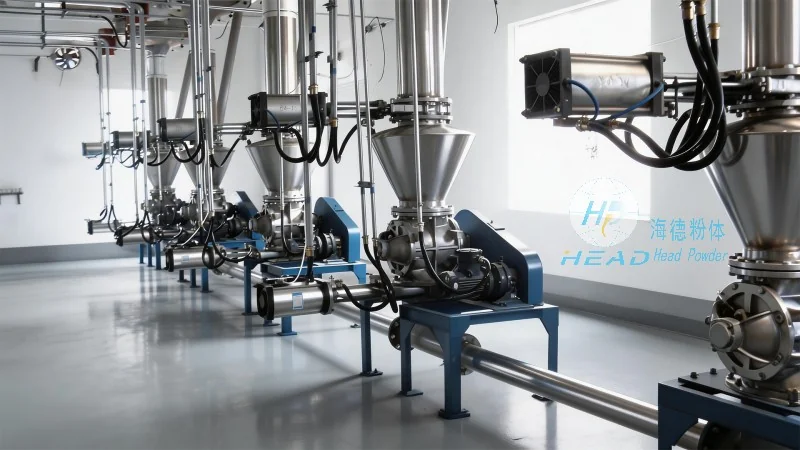
Option 3: Hybrid Pneumatic Conveying Systems
Hybrid pneumatic conveying systems combine the advantages of both positive and negative pressure methods, offering greater flexibility and efficiency for activated carbon handling. These systems typically use a combination of pressure and vacuum zones along the pipeline. For example, a positive pressure section may be used to transport the material from the source to a central point, while a vacuum section is used to move it from the central point to the destination. This approach allows for the optimization of air usage and energy consumption, as the system can adjust the pressure or vacuum levels based on the distance and flow requirements. Hybrid systems are particularly suitable for complex layouts where the material needs to be transported over varying distances or through multiple branches. The integration of sensors and control systems in hybrid systems enables real-time monitoring and adjustment, ensuring optimal performance and minimizing downtime.
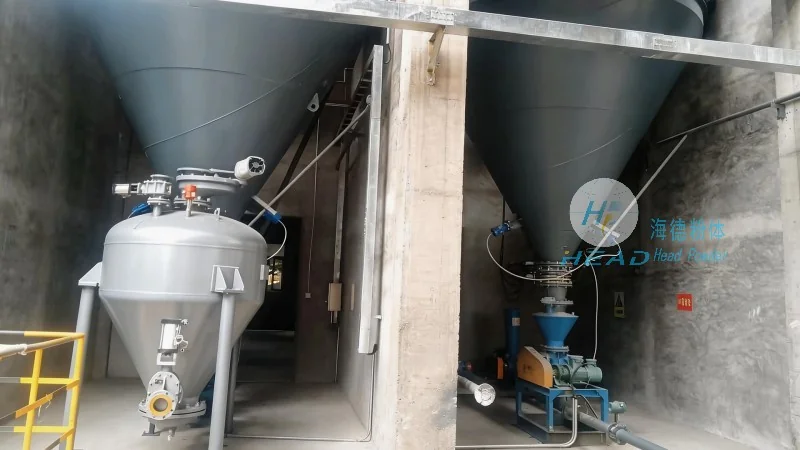
Company Profile: Shandong HeadPowder Engineering Co., Ltd.
Shandong HeadPowder Engineering Co., Ltd., commonly known as HeadPowder, is a leading provider of engineering solutions for material handling and processing. With a focus on innovative and efficient technologies, the company specializes in the design, manufacturing, and installation of pneumatic conveying systems tailored to the needs of various industries, including environmental protection, chemical processing, and food and beverage. HeadPowder's expertise in activated carbon handling has enabled the company to develop advanced solutions that address the unique challenges of transporting fine powders. The company's commitment to quality and customer satisfaction has established it as a trusted partner in the industry, providing reliable and cost-effective solutions for its clients.
Conclusion: Choosing the Right Pneumatic Conveying Solution
The selection of the appropriate pneumatic conveying system for activated carbon depends on a combination of technical, operational, and economic factors. Positive pressure systems offer high throughput and robust performance, while negative pressure systems are ideal for longer distances or elevated sources. Hybrid systems provide flexibility and energy efficiency, making them suitable for complex applications. By carefully evaluating the material properties, distance, and operational requirements, operators can choose the most suitable method to ensure efficient and reliable activated carbon transport. As the demand for activated carbon continues to grow, the development of advanced pneumatic conveying technologies will play a crucial role in meeting the needs of various industries, and companies like Shandong HeadPowder Engineering Co., Ltd. are at the forefront of this innovation.