

Several Solutions for Coal Particle Pneumatic Conveying
Coal particle pneumatic conveying is a critical process in the coal handling and processing industry, enabling efficient transport of coal from one location to another. For industries such as power generation, steel production, and coal processing facilities, reliable and efficient conveying systems are essential to maintain operational productivity and safety. This article explores several effective solutions for coal particle pneumatic conveying, highlighting key considerations and technologies used in modern applications.
About HeadPowder Engineering
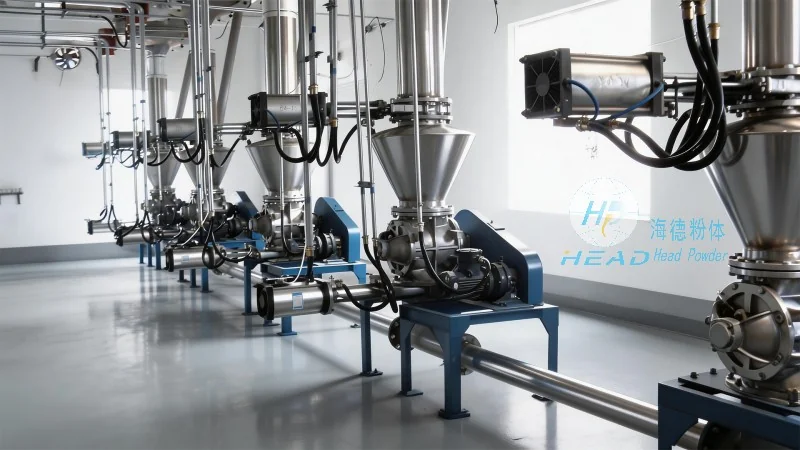
HeadPowder, or Shandong HeadPowder Engineering Co., Ltd., is a leading provider of engineering solutions for material handling and conveying systems. With a focus on innovation and customer-centric design, the company specializes in developing customized pneumatic conveying solutions tailored to the unique needs of coal processing operations. HeadPowder’s expertise spans the entire lifecycle of coal handling, from initial design and installation to ongoing maintenance and support. The company’s headquarters is located in Shandong, China, where it leverages local resources and industry knowledge to deliver high-quality products and services.
Key Considerations for Coal Particle Pneumatic Conveying
When selecting a pneumatic conveying system for coal particles, several factors must be carefully evaluated to ensure optimal performance and reliability. The primary considerations include the particle size distribution, moisture content, and bulk density of the coal, as these characteristics directly impact the system’s design and operational parameters. Additionally, the distance and elevation changes between the source and destination points are critical, as they determine the required air pressure and flow rates. Other important factors include the system’s capacity requirements, environmental regulations, and the need for dust control measures. By addressing these considerations, engineers can select the most suitable conveying method and equipment for a specific application.
Several Effective Solutions for Coal Particle Pneumatic Conveying
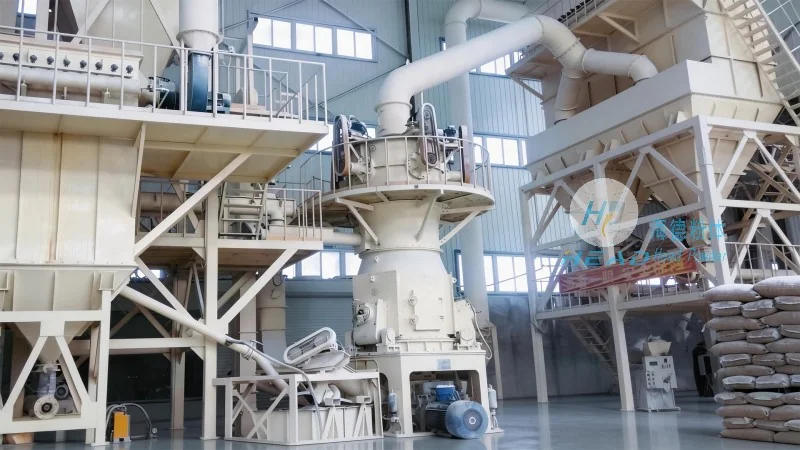
There are several proven solutions for coal particle pneumatic conveying, each with its own advantages and applications. The most common methods include positive pressure systems, negative pressure systems, and hybrid systems. Positive pressure systems, also known as pressure conveying, use a blower or compressor to generate air pressure and move the coal particles through a pipeline. This method is suitable for long-distance and high-capacity applications, as it can handle large volumes of coal with minimal pressure loss. Negative pressure systems, or vacuum conveying, use a vacuum pump to create a negative pressure in the pipeline, drawing the coal particles from the source to the destination. This method is ideal for short-distance and low-capacity applications, as it is less expensive to install and maintain. Hybrid systems combine elements of both positive and negative pressure, offering flexibility for applications with varying distance and capacity requirements.
Positive Pressure Pneumatic Conveying Systems
Positive pressure systems are widely used in coal particle conveying due to their high efficiency and ability to handle large volumes of material. These systems typically consist of a blower, a hopper, and a pipeline network. The coal is fed into the hopper, where it is mixed with air and then transported through the pipeline. The air pressure is maintained at a level sufficient to overcome the resistance of the pipeline and the weight of the coal particles. Positive pressure systems are particularly effective for conveying coal over long distances, such as from a mine to a power plant, or from a storage facility to a processing plant. They can also handle coal with high moisture content and varying particle sizes, making them a versatile solution for many coal handling applications.
Negative Pressure Pneumatic Conveying Systems
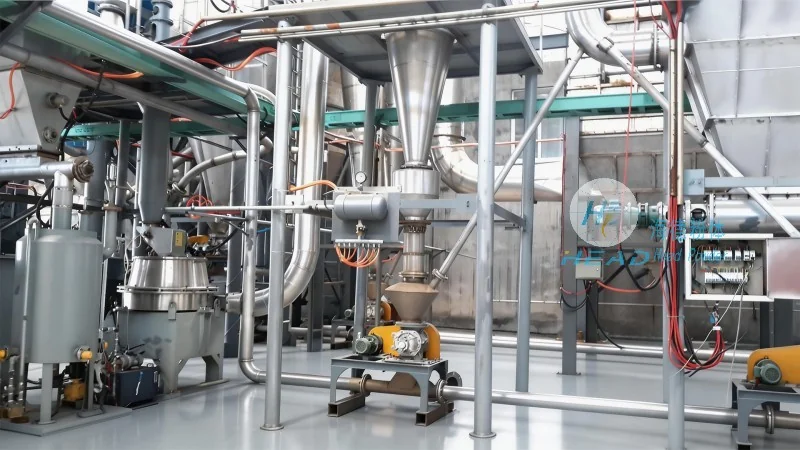
Negative pressure systems are another effective solution for coal particle conveying, especially for short-distance and low-capacity applications. These systems use a vacuum pump to create a negative pressure in the pipeline, which draws the coal particles from the source to the destination. The vacuum pump is typically located at the receiving end of the system, and the pipeline is designed to maintain a consistent negative pressure throughout the conveying process. Negative pressure systems are less expensive to install and maintain compared to positive pressure systems, as they require less powerful equipment and lower air pressure. However, they are not suitable for long-distance or high-capacity applications, as the vacuum pump may not be able to maintain sufficient suction over long distances. Additionally, negative pressure systems may be more prone to dust leakage, as the lower pressure can cause particles to escape from the pipeline.
Hybrid Pneumatic Conveying Systems
Hybrid pneumatic conveying systems combine the advantages of both positive and negative pressure systems, offering flexibility for applications with varying distance and capacity requirements. These systems typically use a combination of a blower and a vacuum pump, with the blower providing positive pressure in the initial portion of the pipeline and the vacuum pump providing negative pressure in the later portion. This hybrid approach allows for efficient conveying over long distances while maintaining the lower pressure and cost benefits of negative pressure systems. Hybrid systems are particularly useful for applications where the distance between the source and destination varies, or where the capacity requirements change over time. For example, a hybrid system can be used to convey coal from a mine to a processing plant, with the positive pressure portion handling the long-distance transport and the negative pressure portion handling the final delivery to the plant.
Key Components of Coal Particle Pneumatic Conveying Systems
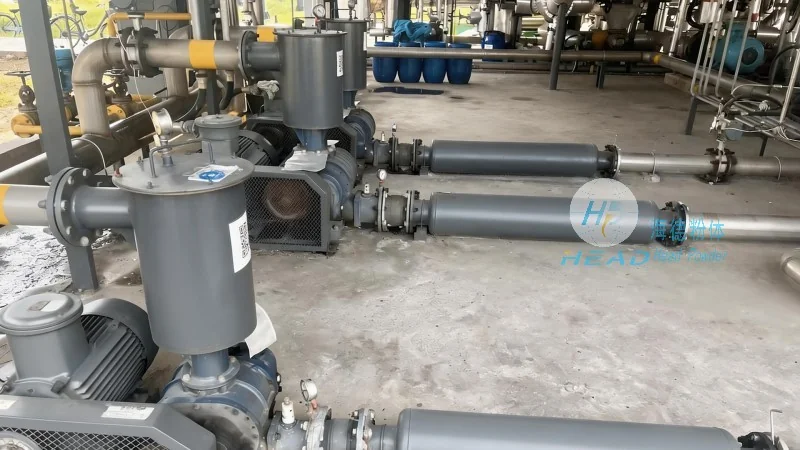
Regardless of the specific system type, several key components are essential for the efficient operation of coal particle pneumatic conveying systems. These components include hoppers, feeders, pipelines, and dust collectors. Hoppers are used to store and feed the coal into the system, and they are typically designed with a conical shape to ensure uniform flow of the material. Feeders, such as rotary valves or screw feeders, are used to control the flow rate of the coal into the pipeline, preventing overloading and ensuring consistent conveying. Pipelines are made of materials such as stainless steel or plastic, and they are designed to withstand the pressure and temperature of the conveying process. Dust collectors are used to capture and remove dust from the system, ensuring compliance with environmental regulations and maintaining a safe working environment. Proper selection and maintenance of these components are critical to the overall performance and reliability of the pneumatic conveying system.
Benefits of Coal Particle Pneumatic Conveying Solutions
Coal particle pneumatic conveying solutions offer several benefits over traditional mechanical conveying methods. These benefits include higher efficiency, lower maintenance costs, and improved safety. Pneumatic conveying systems can transport coal over long distances with minimal energy consumption, as the air pressure is maintained at a level sufficient to overcome the resistance of the pipeline. This results in lower operating costs compared to mechanical systems, which require more energy to move the material. Additionally, pneumatic systems are less prone to blockages and wear, as the coal particles are suspended in the air and do not come into direct contact with the pipeline walls. This reduces the need for frequent maintenance and repairs, resulting in lower maintenance costs. Finally, pneumatic systems are safer to operate, as they eliminate the need for moving parts and reduce the risk of dust explosions. The enclosed pipeline design also helps to contain dust and prevent it from entering the working environment, improving safety for personnel.
Conclusion
Coal particle pneumatic conveying is a vital technology in the coal handling industry, enabling efficient and reliable transport of coal from one location to another. Several effective solutions are available, including positive pressure, negative pressure, and hybrid systems, each with its own advantages and applications. By carefully evaluating the specific requirements of a coal handling operation, engineers can select the most suitable pneumatic conveying system to ensure optimal performance and reliability. HeadPowder Engineering, with its expertise in material handling and conveying systems, offers customized solutions tailored to the unique needs of coal processing facilities. With a focus on innovation and customer service, HeadPowder is committed to providing high-quality products and services that meet the evolving needs of the industry.