

[Pneumatic Conveying of Ash and Slag: What It Comprises]
Understanding the components of pneumatic conveying systems for ash and slag is crucial for industries dealing with industrial waste and byproducts. This process involves the transport of solid materials like ash and slag through a pipeline using air or other gas as the conveying medium. The efficiency and effectiveness of such systems depend heavily on the integration of various components that work in harmony to ensure smooth material movement and operational reliability.
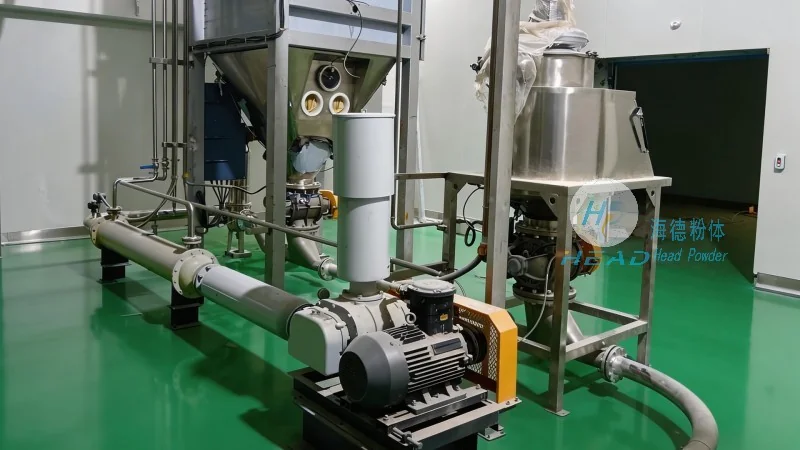
Key Components of Pneumatic Conveying Systems for Ash and Slag
The pneumatic conveying of ash and slag typically consists of several essential components that are designed to handle the unique characteristics of these materials. These components work together to facilitate the transport process from the source to the destination. The primary components include the material feed system, the conveying pipeline, the air or gas supply system, and the control and monitoring equipment. Each of these components plays a vital role in the overall functionality of the system.
Material Feed System
The material feed system is the initial stage of the pneumatic conveying process. It is responsible for introducing the ash or slag into the conveying pipeline. This system may include hoppers, feeders, or other devices that ensure a consistent and controlled flow of the material. For ash and slag, which can be abrasive and have varying particle sizes, the feed system is designed to minimize blockages and ensure uniform material introduction. The design of the feed equipment is critical to prevent material degradation and maintain the integrity of the conveying process.
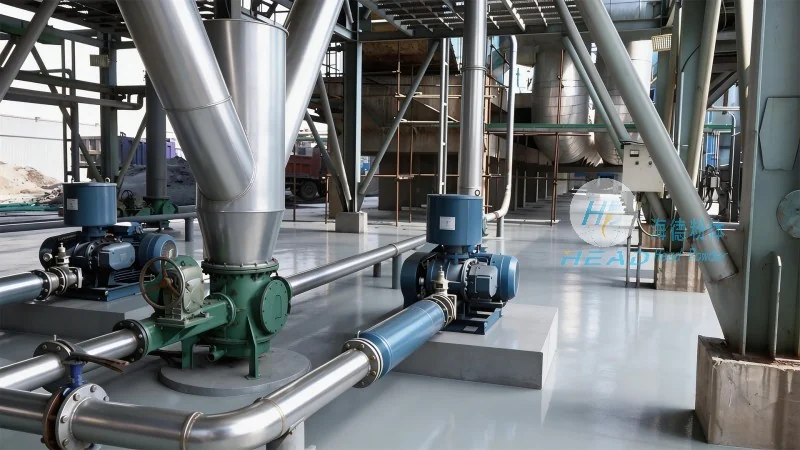
Conveying Pipeline
The conveying pipeline is the core of the pneumatic conveying system. It is a sealed tube through which the air and material travel. The pipeline is typically made of materials that can withstand the abrasive nature of ash and slag, such as stainless steel or special alloys. The design of the pipeline, including its diameter, length, and bends, is carefully engineered to minimize pressure drop and ensure efficient material transport. The pipeline may also include features like expansion joints or flexible connectors to accommodate thermal expansion and reduce stress on the system.
Air or Gas Supply System
The air or gas supply system provides the necessary pressure and flow to move the material through the pipeline. This system includes a blower or compressor, which generates the required air or gas flow. The choice of the air supply system depends on the specific requirements of the conveying process, such as the material's density, particle size, and the distance to be transported. For ash and slag, which are often heavy and have high moisture content, a high-pressure or high-capacity blower may be used to ensure sufficient force to overcome the resistance and move the material effectively. The system may also include filters and moisture control equipment to maintain air quality and prevent material clogging.
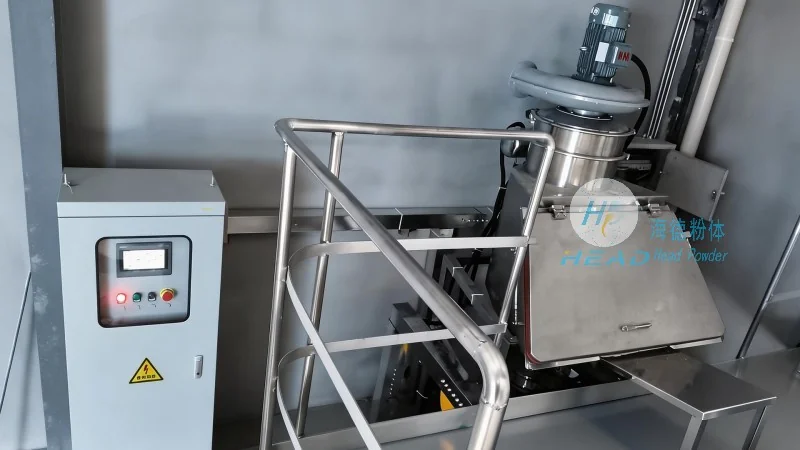
Control and Monitoring Equipment
The control and monitoring equipment is essential for managing the operation of the pneumatic conveying system. This includes sensors, control valves, and a control panel that allows operators to monitor and adjust the system parameters. The sensors may detect pressure, flow rate, or material level, providing real-time data to ensure the system is operating within optimal parameters. The control panel allows for adjustments to the air supply, feed rate, and other variables to maintain consistent performance. This component is crucial for maintaining the efficiency and reliability of the system, especially when dealing with variable material characteristics.
Additional Components and Considerations
Beyond the primary components, pneumatic conveying systems for ash and slag may include additional equipment to enhance performance and safety. These may include dust collectors, cyclones, or other separation devices to remove excess air or fine particles from the material. The system may also include safety features like pressure relief valves or emergency shut-off mechanisms to prevent accidents and protect personnel and equipment. The selection and integration of these additional components depend on the specific application and operational requirements of the facility.
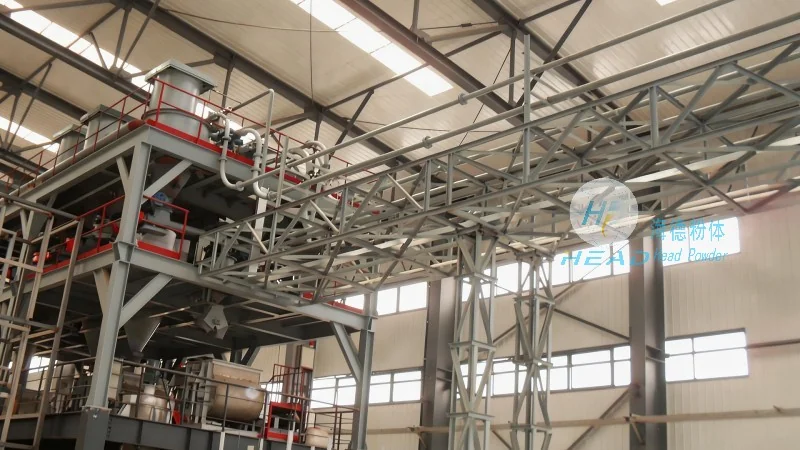
About Shandong HeadPowder Engineering Co., Ltd.
Shandong HeadPowder Engineering Co., Ltd., commonly known as HeadPowder, is a professional manufacturer and supplier specializing in pneumatic conveying equipment and systems. With a focus on industrial applications, HeadPowder provides comprehensive solutions for the transport of various materials, including ash and slag. The company is committed to delivering high-quality, reliable equipment that meets the specific needs of its clients. HeadPowder's expertise in material handling and conveying technology ensures that their systems are designed to handle the unique challenges of industrial waste and byproducts, providing efficient and cost-effective solutions for material transport. The company's products are engineered to withstand the harsh conditions associated with ash and slag, ensuring long-term performance and minimal maintenance.
Conclusion
In summary, the pneumatic conveying of ash and slag is a complex process that relies on a combination of carefully designed components. From the material feed system to the air supply and control equipment, each part plays a critical role in ensuring the efficient and safe transport of these materials. Companies like Shandong HeadPowder Engineering Co., Ltd. play a vital role in providing the necessary equipment and expertise to implement these systems effectively. By understanding the components and their functions, industries can optimize their material handling processes and improve overall operational efficiency.