

Analysis of Mineral Sand Pneumatic Conveying Technology: Comparison of Positive and Negative Pressur
HeadPowder, a leading engineering firm based in Shandong, China, specializes in advanced material handling solutions, including pneumatic conveying systems for mineral sands. This article provides a detailed analysis of the two primary modes of pneumatic conveying—positive pressure and negative pressure systems—exploring their operational principles, advantages, and practical applications in the mineral processing industry.
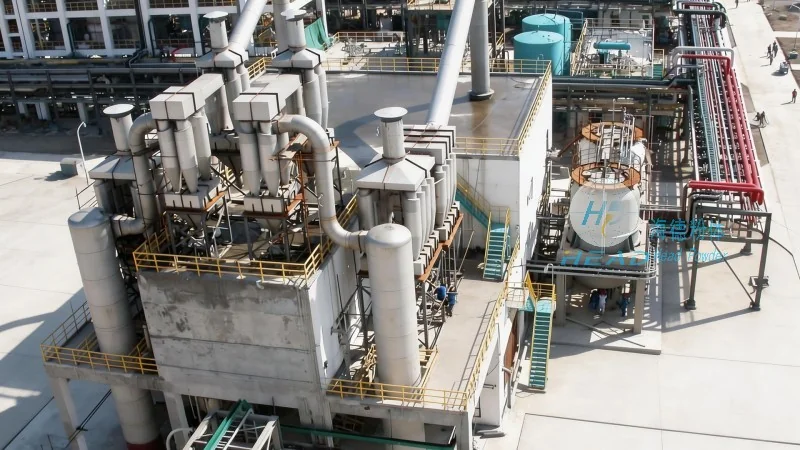
Understanding Pneumatic Conveying Systems
Pneumatic conveying is a method of transporting bulk materials through a pipeline using air or gas as the conveying medium. It is widely used in industries such as mining, chemical processing, and food production due to its efficiency and flexibility. The two main categories of pneumatic conveying are positive pressure and negative pressure systems, each with distinct characteristics that influence their suitability for different material types and operational scenarios.
Positive Pressure Pneumatic Conveying
Positive pressure systems operate by blowing air or gas into the conveying line, creating a pressure higher than the ambient air pressure. This method is particularly effective for transporting dry, free-flowing materials like mineral sands. The primary advantage of positive pressure systems is their ability to handle long distances and multiple transfer points without significant pressure loss. The high pressure ensures that the material is consistently propelled through the pipeline, making it ideal for applications requiring high throughput and reliability.
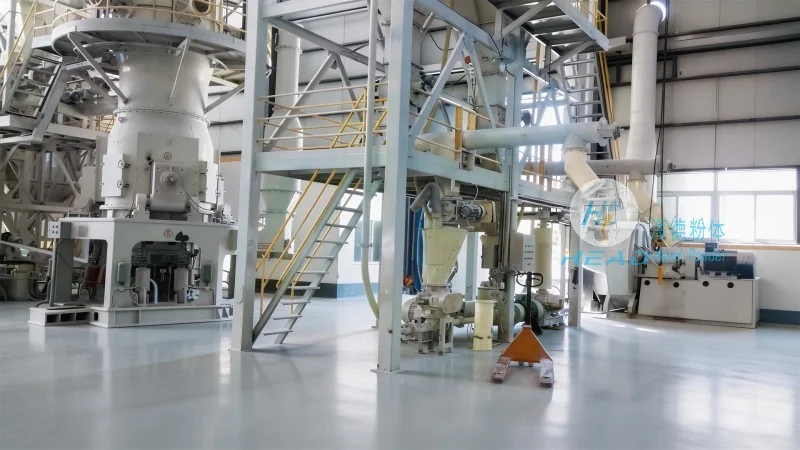
HeadPowder's expertise in positive pressure systems includes the design and implementation of high-capacity conveying lines that can accommodate varying particle sizes and moisture content. The company's engineers utilize advanced computational fluid dynamics (CFD) to optimize system design, ensuring efficient material transport while minimizing energy consumption. For instance, a recent project involved the installation of a positive pressure conveying system for a mineral sand processing plant, where the system successfully transported 500 tons of material per hour over a distance of 2 kilometers, demonstrating the technology's scalability and performance.
Negative Pressure Pneumatic Conveying
Negative pressure systems, also known as vacuum or suction systems, operate by creating a vacuum in the conveying line, drawing material into the pipeline. This mode is commonly used for materials that are dusty or require a more gentle handling approach, as the lower pressure reduces the risk of material degradation or dust generation. Negative pressure systems are particularly suitable for short to medium distances and applications where the material is already in a dusty state, such as in the collection of fine mineral powders.
HeadPowder has extensive experience in negative pressure conveying, having implemented systems for various industrial applications. The company's solutions often incorporate dust collection and filtration systems to ensure compliance with environmental regulations. A notable project involved the design of a negative pressure conveying system for a sand processing facility, where the system effectively collected and transported fine sand particles from a storage silo to a processing unit, maintaining low dust emissions and ensuring material integrity.
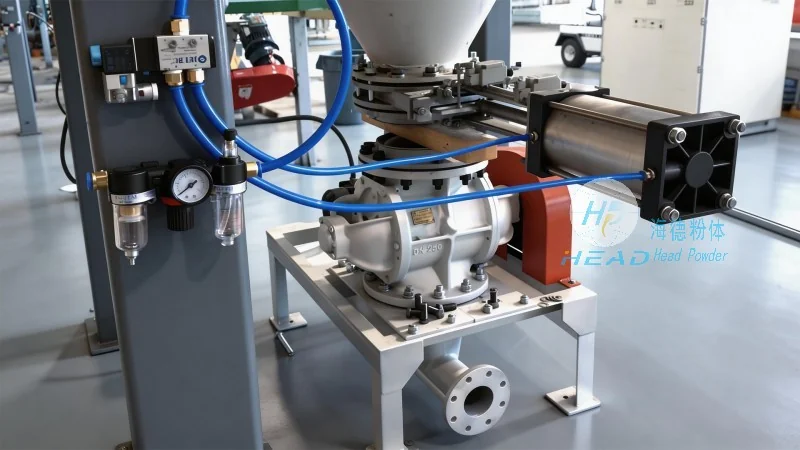
Comparison of Positive and Negative Pressure Systems
When selecting between positive and negative pressure pneumatic conveying systems for mineral sand applications, several factors must be considered. Positive pressure systems are generally more suitable for long-distance transport, high throughput, and materials that require minimal degradation, while negative pressure systems are preferred for short distances, dusty materials, and applications where dust control is a priority. The choice also depends on the specific characteristics of the mineral sand, such as particle size, moisture content, and abrasiveness.
HeadPowder's engineers conduct thorough feasibility studies to evaluate the most appropriate system for each client's needs. By analyzing factors like material properties, operational distance, and environmental requirements, the company can recommend the optimal conveying mode. For example, in a case where a client needed to transport coarse mineral sand over a 3-kilometer distance with high throughput, a positive pressure system was selected due to its efficiency and ability to handle the material's characteristics. Conversely, for a project involving fine sand with high dust generation, a negative pressure system with advanced filtration was recommended to maintain environmental compliance.
Key Considerations for Mineral Sand Conveying
Both positive and negative pressure systems require careful consideration of several key factors to ensure optimal performance and longevity. Material properties, such as particle size distribution, moisture content, and abrasiveness, significantly impact system design. For instance, coarse and abrasive mineral sands may require reinforced pipelines and specialized valves to prevent wear and tear. Additionally, the system's capacity and pressure requirements must be matched to the processing plant's production rate to avoid bottlenecks or inefficiencies.
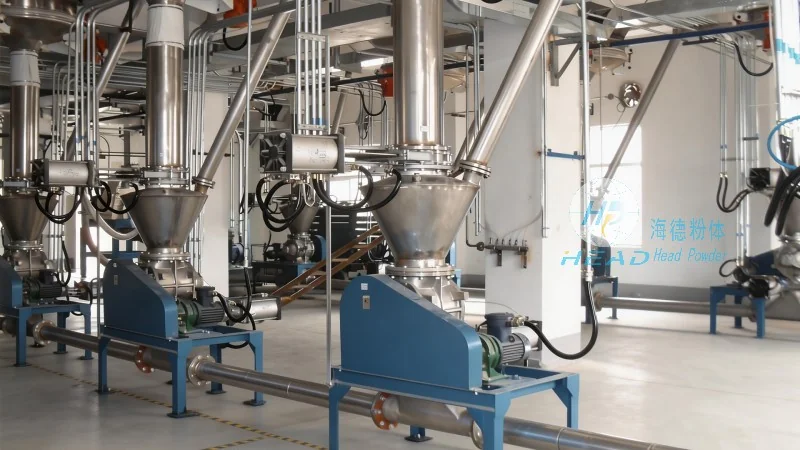
HeadPowder emphasizes the importance of regular maintenance and system monitoring to maximize the lifespan of pneumatic conveying equipment. The company provides comprehensive after-sales support, including maintenance contracts and technical assistance, to ensure that clients can operate their systems efficiently and reliably. By leveraging their expertise in material handling engineering, HeadPowder helps clients achieve cost-effective and sustainable mineral sand processing solutions.
Conclusion
In conclusion, both positive and negative pressure pneumatic conveying systems offer viable solutions for mineral sand transport, each with its own advantages and limitations. The choice between the two depends on specific operational requirements, material characteristics, and environmental considerations. HeadPowder, with its extensive experience and engineering capabilities, provides tailored pneumatic conveying solutions that meet the unique needs of clients in the mineral processing industry. By leveraging advanced technology and expert design, the company ensures efficient, reliable, and cost-effective material handling for mineral sands, supporting the growth and success of its clients.