

Analysis of Small Stone Pneumatic Conveying Technology: Comparison of Positive and Negative Pressure
HeadPowder, a leading engineering company based in Shandong, China, specializes in advanced material handling solutions. This article delves into the technical aspects of pneumatic conveying systems, specifically focusing on the comparison between positive and negative pressure modes for transporting small stone materials. Understanding the differences between these two approaches is crucial for optimizing material transport efficiency and system performance.
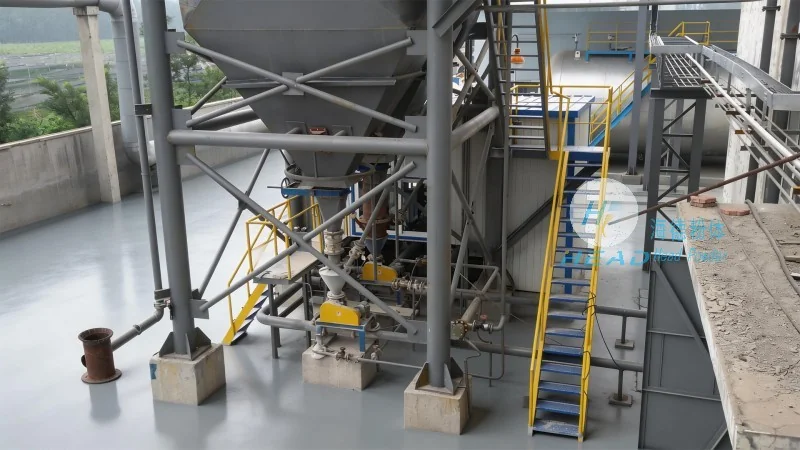
Positive Pressure Pneumatic Conveying Technology
Positive pressure systems operate by generating air pressure within the conveying line, pushing material through the system. This method is particularly effective for transporting small stone particles over moderate distances. The primary advantage of positive pressure is its ability to handle a wide range of particle sizes and densities, making it suitable for various industrial applications. Additionally, positive pressure systems can maintain consistent air flow, ensuring stable material transport. However, they may require more robust equipment to handle higher pressures and potential air leakage issues.
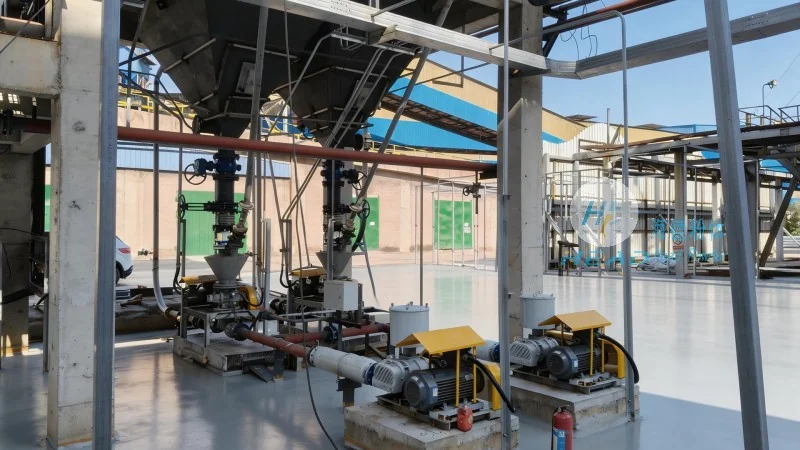
Negative Pressure Pneumatic Conveying Technology
Negative pressure systems, also known as vacuum conveying, operate by creating a vacuum in the conveying line, drawing material into the system. This approach is ideal for applications requiring material to be transported from a lower elevation or over longer distances. The key benefit of negative pressure is its ability to handle fine powders and delicate materials without causing degradation or contamination. It also offers better control over the material flow rate, reducing the risk of blockages. Nevertheless, negative pressure systems may have limitations in handling larger or heavier particles due to the lower air velocity and pressure differentials.
Comparison Between Positive and Negative Pressure Modes
When selecting a pneumatic conveying system for small stone material transport, it is essential to evaluate the specific requirements of the application. Positive pressure systems excel in scenarios where high material throughput and consistent flow are critical, such as in bulk material handling in mining or construction industries. Conversely, negative pressure systems are preferred for applications involving fine particles or where material contamination must be minimized, like in pharmaceutical or food processing sectors. The choice between the two modes also depends on the distance and elevation changes involved in the transport process. For short distances with minimal elevation changes, positive pressure may be more cost-effective. For longer distances or when transporting materials from lower to higher elevations, negative pressure systems often provide better performance and efficiency.
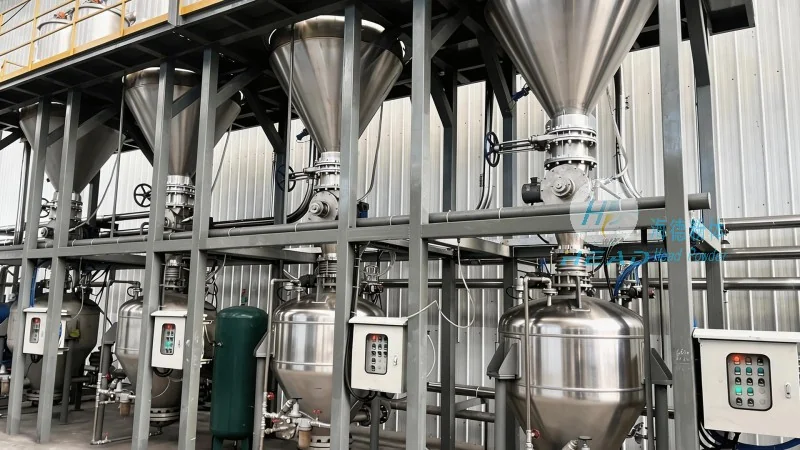
About HeadPowder Engineering Co., Ltd.
HeadPowder Engineering Co., Ltd., headquartered in Shandong, China, is a professional provider of pneumatic conveying solutions. With years of experience in the industry, the company offers customized engineering services tailored to the unique needs of clients. By leveraging advanced technology and expert knowledge, HeadPowder ensures that its systems deliver optimal performance, reliability, and cost-effectiveness. The company's commitment to quality and innovation has made it a trusted partner for businesses seeking efficient material handling solutions.