

Several Solutions for Wheat Bran Pneumatic Conveying
Wheat bran, a byproduct of wheat milling, is widely utilized in the food and animal feed sectors. Efficient material handling is critical for processing wheat bran, and pneumatic conveying systems provide an effective solution. This article explores several practical approaches to wheat bran pneumatic conveying, highlighting the advantages and considerations of each method.
Overview of Pneumatic Conveying for Wheat Bran
Pneumatic conveying utilizes air to transport bulk materials like wheat bran through a pipeline. It eliminates mechanical components such as belts or buckets, reducing maintenance and operational costs. The process involves creating a pressure differential to move the material from the source to the destination. Two primary types of pneumatic conveying systems are commonly employed: positive pressure and negative pressure systems.
Positive Pressure Pneumatic Conveying Systems
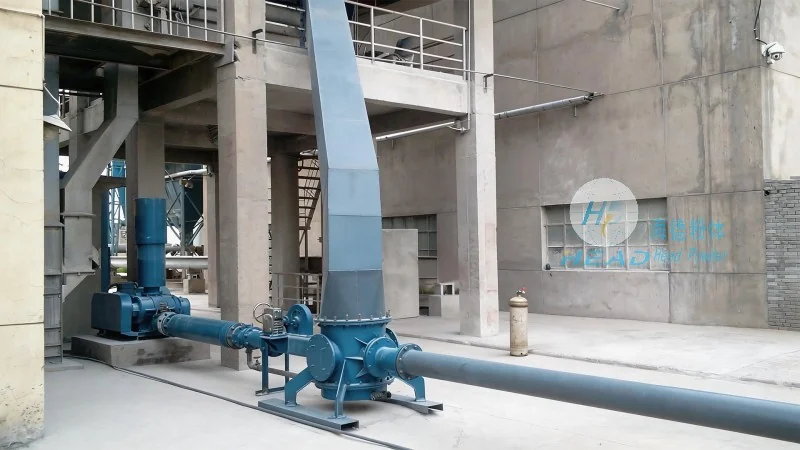
Positive pressure systems operate by blowing air into the conveying line, pushing the wheat bran forward. This method is ideal for short to medium distance applications and is often used where wheat bran is generated and needs to be transferred to nearby storage or processing units. The system typically includes a blower, a hopper for material loading, and a discharge point. Air pressure is maintained at a level sufficient to overcome pipeline friction and elevation changes. A key advantage of positive pressure systems is their ability to handle abrasive materials without causing excessive wear on components. Additionally, they can be designed to operate in environments where dust control is critical, as the air is contained within the system.
Negative Pressure Pneumatic Conveying Systems
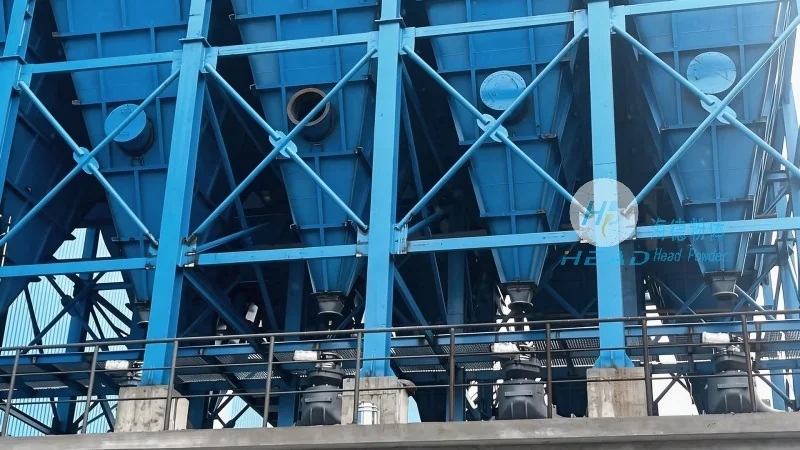
Negative pressure systems, or vacuum systems, create a vacuum in the conveying line to draw the wheat bran from the source. This approach is suitable for longer distances and applications where the bran needs to be collected from multiple points and transported to a central location. The system consists of a vacuum pump, a collection hopper, and a discharge point. The vacuum is maintained at a level that ensures the material is drawn into the pipeline without clogging. Negative pressure systems are particularly effective for handling fine or dusty materials, as the vacuum helps maintain a consistent flow. However, they may require more powerful vacuum pumps and are generally more complex to install and maintain compared to positive pressure systems.
Combined Pressure and Vacuum Systems
For applications requiring both short and long distance transport, combined pressure and vacuum systems offer a versatile solution. These systems use a combination of positive and negative pressure to optimize material movement. The system can start with a positive pressure section to move the material from the source to an intermediate point, then switch to a negative pressure section to transport it over longer distances. This hybrid approach allows for efficient handling of wheat bran with varying transport requirements. It is particularly useful in large-scale processing facilities where the bran needs to be distributed to multiple locations.
Key Considerations for Wheat Bran Pneumatic Conveying
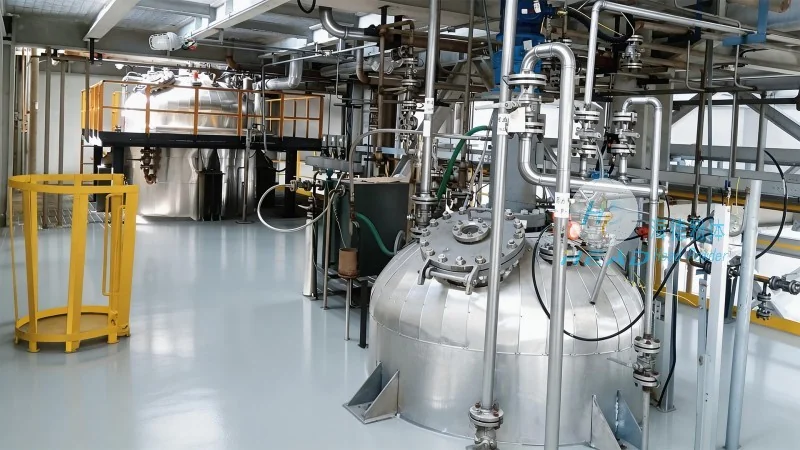
When selecting a pneumatic conveying system for wheat bran, several factors must be considered to ensure optimal performance and longevity. The first is the material characteristics of the wheat bran, including its moisture content, particle size, and abrasiveness. These factors influence the choice of system type and components. For example, highly abrasive bran may require special materials for the pipeline and components to prevent wear. The second consideration is the distance and elevation changes between the source and destination. Longer distances or significant elevation changes may necessitate more powerful equipment or a combination of system types. The third factor is the required capacity and flow rate. The system must be designed to handle the expected volume of bran to avoid bottlenecks or overloading. Additionally, the system should be equipped with appropriate filtration and dust control measures to comply with environmental regulations and maintain a clean working environment.
Conclusion
Wheat bran pneumatic conveying offers a reliable and efficient method for handling this valuable byproduct. By understanding the different system types and their applications, processing facilities can choose the most suitable solution for their specific needs. Whether using positive pressure, negative pressure, or a combined system, the key is to select a system that matches the material characteristics, transport requirements, and operational constraints. With proper design and maintenance, pneumatic conveying systems can provide long-term benefits, including reduced labor costs, improved safety, and enhanced product quality. Shandong HeadPowder Engineering Co., Ltd., based in Shandong, China, specializes in providing customized pneumatic conveying solutions tailored to the unique needs of wheat bran processing plants.