

Analysis of Styrene Pneumatic Conveying Technology: Comparison of Positive and Negative Pressure Mod
Styrene, a critical chemical intermediate widely utilized in the production of polystyrene and other polymers, necessitates efficient and reliable material handling solutions for safe and effective transportation. Pneumatic conveying systems provide a versatile method to transport styrene powders or granules, with two primary modes: positive pressure and negative pressure. This article offers an in-depth analysis of these two approaches, highlighting their operational principles, advantages, and limitations, to assist industries in selecting the most suitable technology for their specific requirements.
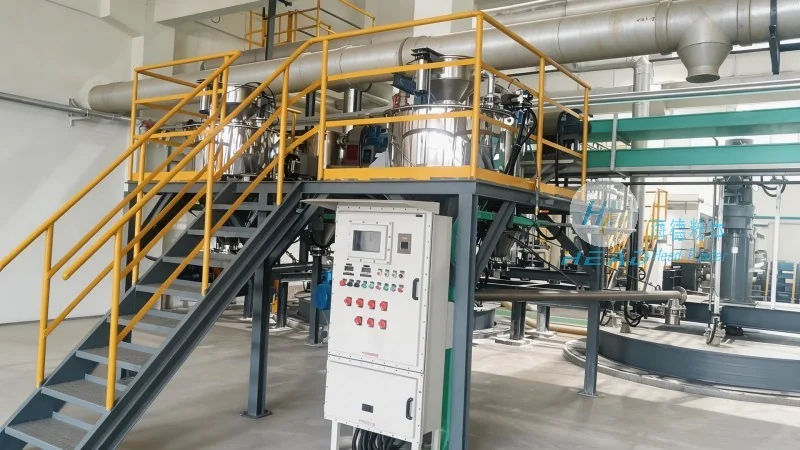
Understanding Pneumatic Conveying Systems
Pneumatic conveying involves the transport of bulk materials through a pipeline using air or gas as the conveying medium. The choice between positive and negative pressure systems depends on factors such as material characteristics, system layout, and operational needs. Both modes are extensively used in the chemical and petrochemical industries, including the handling of styrene, due to their ability to handle fine powders and granules without the need for mechanical components like conveyors or elevators.
Positive Pressure Pneumatic Conveying: A High-Pressure Approach
Positive pressure systems operate by blowing air or gas into the material to be conveyed, creating a pressure higher than ambient air pressure. This method is often preferred for long-distance or high-capacity applications, as it can maintain consistent flow rates and handle a wide range of particle sizes. The system typically includes a blower or compressor at the inlet, which forces air through the pipeline, carrying the styrene particles along. The positive pressure ensures continuous forward movement, reducing the risk of blockages and ensuring reliable operation.
For styrene, a volatile and potentially hazardous material, positive pressure systems offer several advantages. The high-pressure environment helps maintain material integrity, preventing degradation or agglomeration during transport. Additionally, positive pressure systems effectively handle sticky or cohesive powders, as the force of the air breaks up agglomerates and keeps particles in suspension. However, these systems require robust equipment and proper ventilation to manage pressure and prevent over-pressurization, which poses safety risks if not properly designed and maintained.
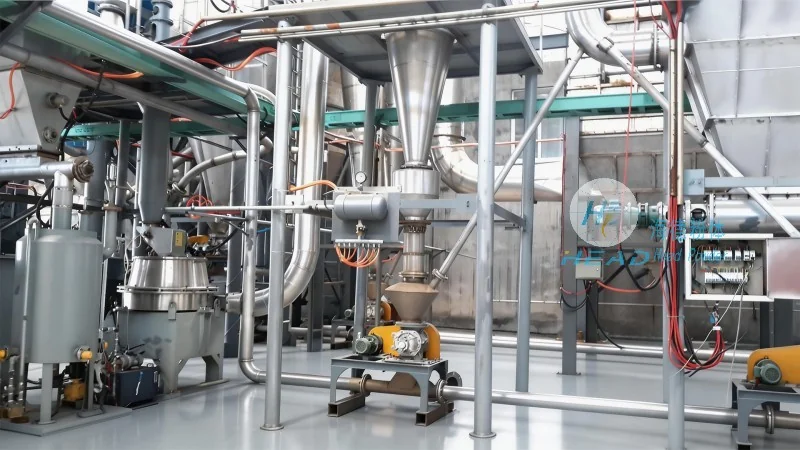
Negative Pressure Pneumatic Conveying: A Low-Pressure, Inertial Approach
Negative pressure systems, also known as vacuum or suction systems, operate by creating a vacuum at the receiving end of the pipeline, drawing material from the source. The system uses a vacuum pump to pull air and material through the pipeline, with the material being entrained by the suction force. This approach is often more suitable for shorter distances or applications where the material is sensitive to high pressure, as it operates at lower pressures compared to positive systems.
Styrene, being a light and potentially volatile substance, can be effectively handled using negative pressure systems, especially when the material is in a fine powder form. The low-pressure environment reduces the risk of material degradation and minimizes explosion hazards, making it a safer option for certain applications. Negative pressure systems are also advantageous for applications where the material needs to be transported from multiple sources or where the receiving point is lower than the source, as the vacuum can pull material from various locations without additional mechanical components.
Comparative Analysis: Positive vs. Negative Pressure Conveying for Styrene
When comparing positive and negative pressure systems for styrene, key factors include conveying capacity, distance, and material sensitivity. Positive pressure systems generally offer higher capacities and are better for long-distance transport, maintaining flow rates over extended pipelines. They also handle abrasive or sticky materials more effectively, as high-pressure air maintains particle suspension and prevents blockages. However, higher pressure increases energy consumption and requires robust equipment like high-capacity blowers or compressors.
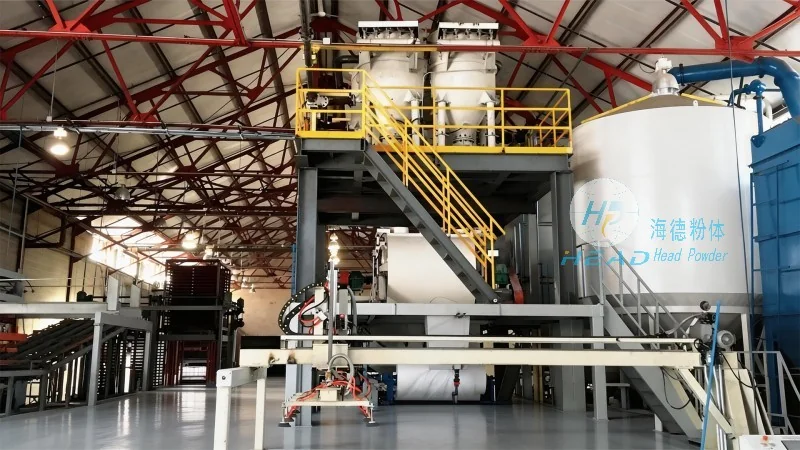
Conversely, negative pressure systems are more energy-efficient for shorter distances and suited for handling sensitive or volatile materials like styrene. Lower pressure reduces degradation and explosion risks, making them safer. They are easier to install and maintain, as they lack high-pressure components and can integrate with existing vacuum systems. However, they have lower capacities and are more prone to blockages with fine powders, as suction force may not sustain consistent flow over longer distances.
Key Considerations for Selecting the Right System
The choice between positive and negative pressure depends on distance, material properties (particle size, moisture, stickiness), and system layout. For long-distance (e.g., over 100 meters) transport, a positive pressure system is often preferred due to higher capacity and flow maintenance. For shorter distances or sensitive materials, a negative pressure system may be more appropriate.
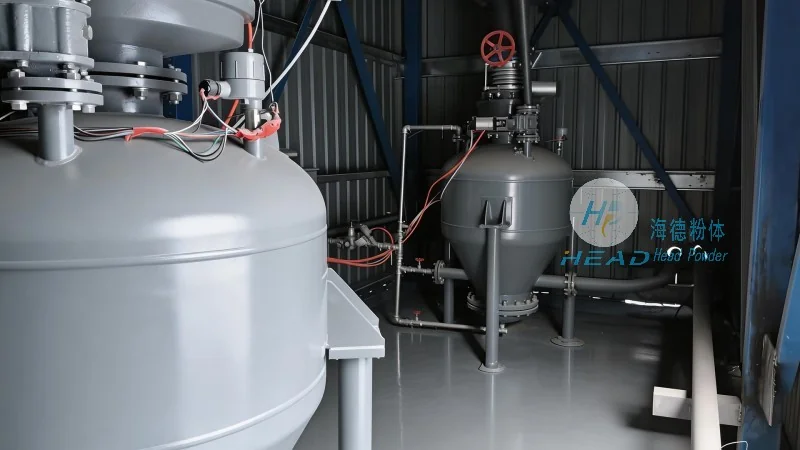
Another critical factor is safety and environmental impact. Positive pressure systems need ventilation and pressure relief valves to prevent over-pressurization, while negative pressure systems require dust collection to avoid air contamination. For styrene, safety is paramount, and both systems must comply with industry regulations and standards.
Role of Shandong HeadPowder Engineering Co., Ltd.
Shandong HeadPowder Engineering Co., Ltd., a leading engineering company based in China, specializes in designing, installing, and maintaining pneumatic conveying systems for various industries, including chemical and petrochemical applications. With extensive experience in handling hazardous materials like styrene, the company provides customized solutions tailored to client needs. The company's expertise includes selecting appropriate conveying modes (positive or negative pressure) based on material properties and operational requirements, ensuring efficient and safe material transport.
Additionally, HeadPowder offers comprehensive services, including system optimization, maintenance, and troubleshooting, to ensure long-term reliability and performance of pneumatic conveying systems. By leveraging advanced engineering techniques and adherence to industry standards, Shandong HeadPowder Engineering Co., Ltd. helps industries optimize material handling processes, reduce operational costs, and enhance safety. The company's commitment to quality and customer satisfaction has made it a trusted partner for businesses seeking reliable solutions for pneumatic conveying of styrene and other bulk materials. Whether a client requires new system installation or retrofitting of existing equipment, HeadPowder provides expert guidance and support to achieve material handling goals.