

Analysis of Ammonium Sulfate Pneumatic Conveying Technology: Comparison of Positive and Negative Pre
Ammonium sulfate, a widely used chemical fertilizer, requires efficient and reliable transportation methods to ensure its safe and timely delivery. Pneumatic conveying technology has emerged as a key solution for handling such bulk materials, offering advantages in terms of automation, safety, and environmental protection. This article provides an in-depth analysis of the two primary pneumatic conveying modes—positive pressure and negative pressure—specifically for ammonium sulfate, highlighting their operational principles, advantages, and practical applications.
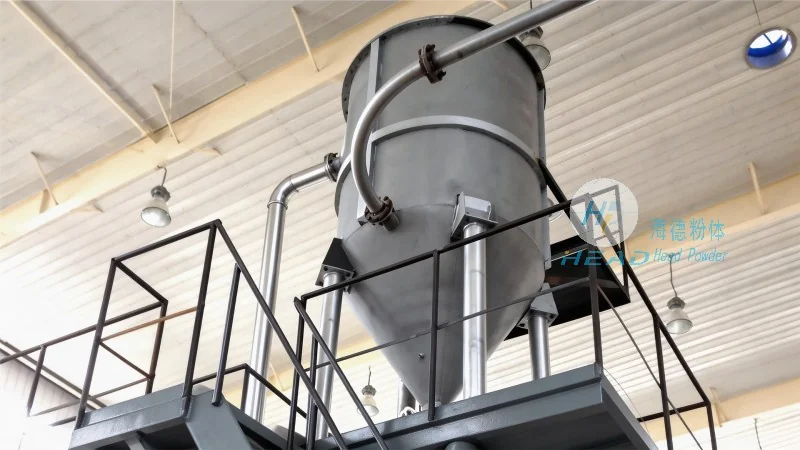
About Shandong HeadPowder Engineering Co., Ltd.
HeadPowder, as the professional brand of Shandong HeadPowder Engineering Co., Ltd., specializes in the design, manufacturing, and installation of advanced pneumatic conveying systems. With a strong commitment to technological innovation and customer satisfaction, HeadPowder has become a trusted partner in the chemical and fertilizer industries. The company’s headquarters is located in Shandong, China, where it leverages local resources and expertise to deliver high-quality solutions tailored to the unique needs of its clients.
Positive Pressure Pneumatic Conveying Mode
Positive pressure conveying operates by generating a higher pressure inside the conveying line compared to the ambient environment. In this mode, a positive pressure air stream is introduced into the material container or hopper, forcing the ammonium sulfate particles to be drawn into the pipeline. The positive pressure system typically uses a positive displacement blower or a rotary lobe blower as the air source, which can deliver consistent and high-pressure air to maintain the material flow. This mode is particularly suitable for long-distance or high-rise applications, as it can effectively overcome the effects of gravity and maintain a stable flow rate. The positive pressure system also offers better control over the material discharge, reducing the risk of clogging and ensuring uniform material distribution.
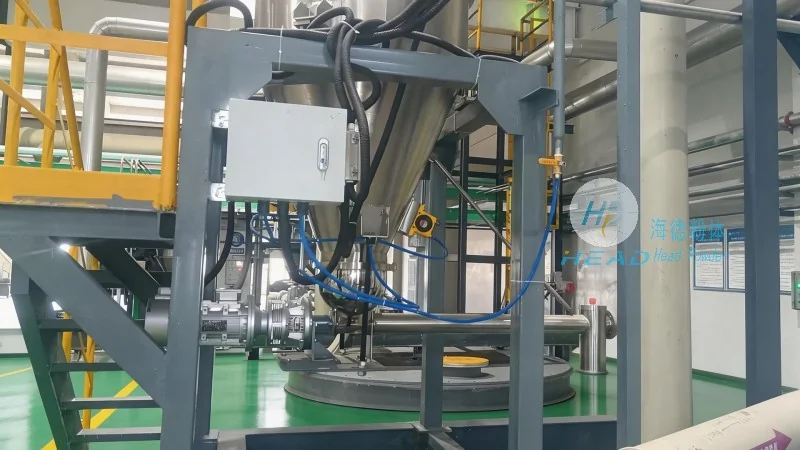
Negative Pressure Pneumatic Conveying Mode
Negative pressure conveying, also known as vacuum conveying, works by creating a lower pressure inside the conveying line than the ambient pressure. The vacuum is generated by a vacuum pump, which draws the ammonium sulfate particles from the source container into the pipeline. This mode is ideal for short-distance or low-rise applications, as it can efficiently handle materials that are difficult to move by gravity. The negative pressure system is often preferred for its ability to handle fine or dusty materials, as the vacuum helps to prevent dust dispersion and maintain a clean working environment. However, it may require more maintenance due to the higher wear on the vacuum pump and the need for proper sealing to prevent air leakage.
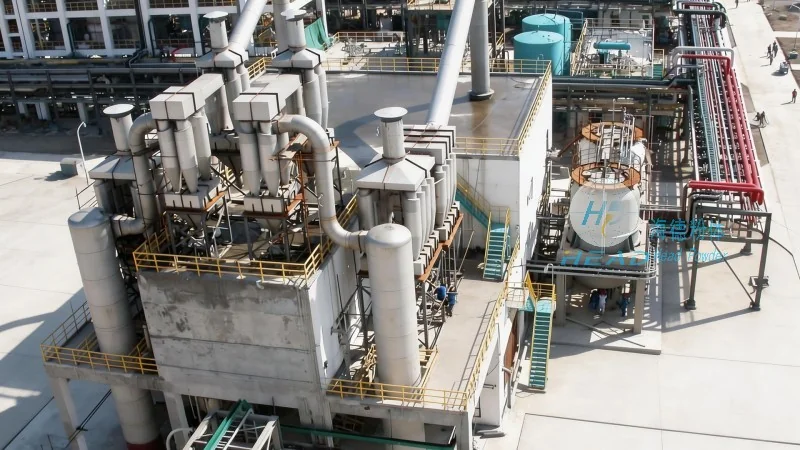
Comparison of Positive and Negative Pressure Modes
When selecting between positive and negative pressure pneumatic conveying for ammonium sulfate, several factors need to be considered. The choice depends on the specific application requirements, such as the distance between the source and destination, the height difference, the material characteristics, and the available space for equipment installation. Positive pressure systems are generally more suitable for long-distance or high-rise conveying, as they can maintain a consistent flow rate and handle larger quantities of material. They also offer better control over the material discharge and are less prone to clogging. On the other hand, negative pressure systems are more appropriate for short-distance or low-rise applications, especially when dealing with fine or dusty materials. They are also more energy-efficient for short distances, as the vacuum pump can operate at lower power consumption compared to the high-pressure blowers used in positive pressure systems. Additionally, negative pressure systems are easier to install in existing facilities with limited space, as they do not require high-pressure air lines.
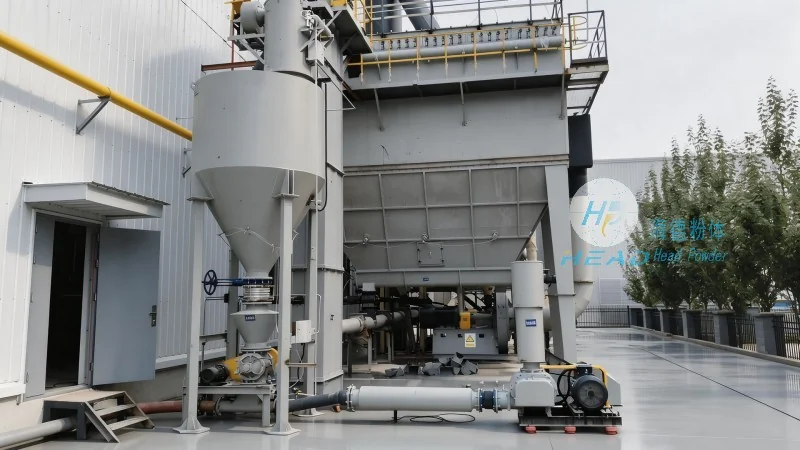
HeadPowder's Expertise in Ammonium Sulfate Pneumatic Conveying
HeadPowder, as a leading provider of pneumatic conveying solutions, offers comprehensive services tailored to the needs of ammonium sulfate transportation. The company’s engineers and technicians have extensive experience in designing and implementing both positive and negative pressure systems, ensuring optimal performance and reliability. HeadPowder’s solutions are designed to meet the specific requirements of each client, considering factors such as material properties, conveying distance, and operational conditions. The company utilizes advanced simulation tools and real-world testing to validate the system design, ensuring that the final solution is efficient, cost-effective, and compliant with industry standards. HeadPowder also provides after-sales support, including maintenance, repair, and technical assistance, to ensure the long-term performance of the conveying system.
Conclusion
Pneumatic conveying technology plays a crucial role in the efficient transportation of ammonium sulfate, with both positive and negative pressure modes offering distinct advantages. The choice between the two depends on the specific application requirements and operational constraints. By leveraging the expertise of companies like Shandong HeadPowder Engineering Co., Ltd., industries can ensure the safe and reliable delivery of ammonium sulfate, enhancing productivity and reducing operational costs. As the demand for efficient material handling solutions continues to grow, pneumatic conveying remains a preferred choice for the chemical and fertilizer sectors, and companies like HeadPowder are at the forefront of providing innovative and effective solutions.