

Design Considerations for Aluminum Nitride Pneumatic Conveying Systems
Aluminum nitride (AlN) is a high-performance ceramic material widely used in semiconductor manufacturing, electronics, and advanced materials applications due to its excellent thermal conductivity, electrical insulation properties, and chemical stability. When handling AlN powder, pneumatic conveying systems offer efficient and dust-free solutions. However, designing such systems requires careful consideration of several critical factors to ensure optimal performance, safety, and longevity. This article outlines key design considerations for aluminum nitride pneumatic conveying systems, emphasizing practical insights from industry experts at Shandong HeadPowder Engineering Co., Ltd., a leading provider of powder handling solutions.
System Selection and Material Compatibility
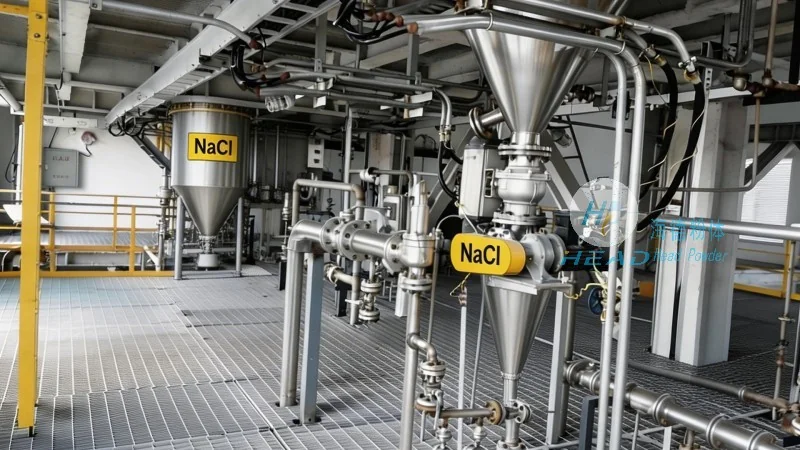
Choosing the right pneumatic conveying system type is the first step in designing an effective AlN handling solution. The primary system types include pressure, vacuum, and mixed flow systems. Pressure systems are commonly preferred for AlN due to their ability to handle abrasive and high-density materials. The selection of system type depends on the material characteristics, such as particle size, density, and flowability. For AlN, which often has a fine particle size and can be abrasive, a pressure system with a positive displacement blower or rotary lobe pump is typically recommended. These systems generate sufficient pressure to overcome friction losses and maintain material flow without causing excessive wear on components. At Shandong HeadPowder Engineering Co., Ltd., engineers evaluate the specific material properties of AlN to recommend the most suitable system configuration, ensuring compatibility with the material's physical and chemical characteristics.
Component Material Selection and Wear Resistance
AlN powder is highly abrasive, which can lead to rapid wear of system components if not properly addressed. Therefore, selecting materials with high wear resistance is crucial. Components such as pipes, elbows, and valves should be made from materials like stainless steel, hardened steel, or specialized alloys designed to withstand abrasive particle impact. For critical parts like the conveying line and cyclone separator, using lined or coated components can further extend their service life. The choice of material also affects the system's overall efficiency and maintenance costs. Shandong HeadPowder Engineering Co., Ltd. employs advanced material selection criteria, considering both the cost-effectiveness and durability of components to ensure long-term reliability in AlN handling applications.
Pressure and Flow Rate Optimization
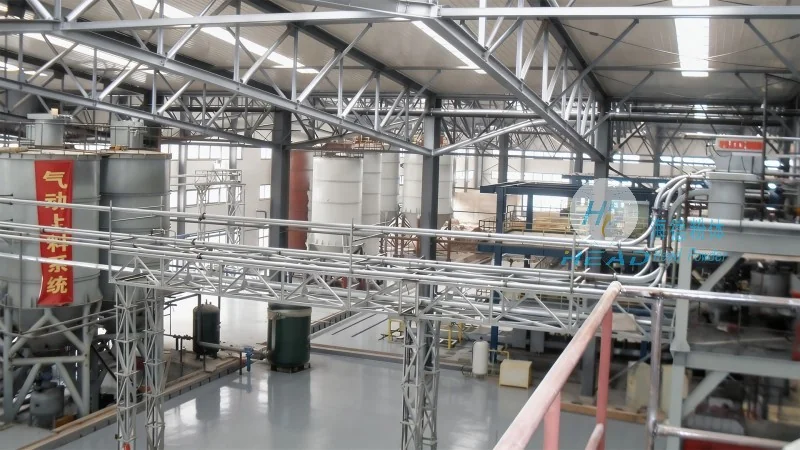
Optimizing pressure and flow rate is essential for maintaining consistent material transport in AlN pneumatic conveying systems. The pressure required depends on the system's length, the number of bends, and the material's flow characteristics. For long conveying distances or complex layouts, higher pressure may be necessary to prevent material settling or blockages. Flow rate, on the other hand, should be adjusted to match the material's flowability and avoid excessive velocity that could cause particle degradation or system wear. Engineers at Shandong HeadPowder Engineering Co., Ltd. use computational fluid dynamics (CFD) and empirical data to model the system's performance, ensuring that the selected pressure and flow rate parameters are optimized for the specific AlN powder being handled. This approach minimizes energy consumption while maintaining efficient material transport.
Cyclone Separator and Collection System Design
The cyclone separator is a critical component in pneumatic conveying systems, responsible for separating the AlN powder from the air stream. The design of the cyclone must be optimized to handle the fine particle size of AlN and prevent re-entrainment of powder. Key design parameters include the inlet velocity, the cone angle, and the overall dimensions of the cyclone. A properly designed cyclone can achieve high separation efficiency, reducing dust emissions and improving material recovery. The collection system, including hoppers and dust collection equipment, should be designed to handle the abrasive nature of AlN and prevent material buildup or blockages. Shandong HeadPowder Engineering Co., Ltd. designs cyclone separators with tailored dimensions and operating parameters to maximize efficiency and minimize maintenance requirements for AlN handling applications.
System Integration and Control
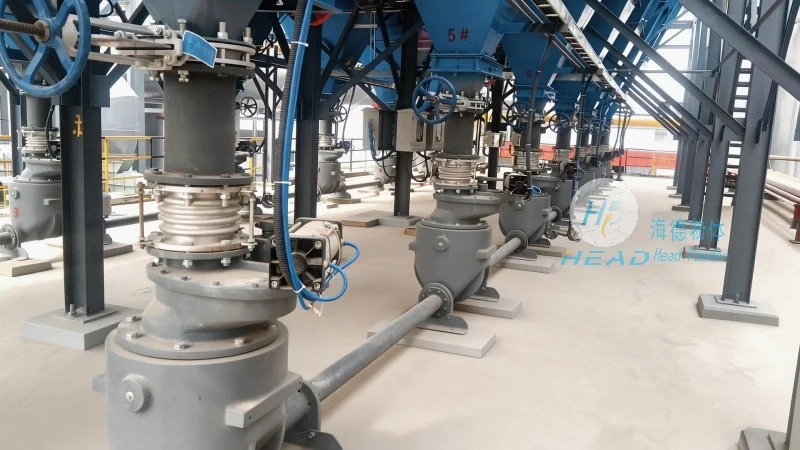
Integrating the pneumatic conveying system with other processing equipment is essential for seamless material flow. The system should be designed to interface with upstream and downstream processes, such as feeding, mixing, and packaging. Control systems play a vital role in maintaining consistent operation, monitoring pressure, flow rate, and temperature, and alerting operators to any deviations or issues. Automated control systems can enhance safety and efficiency by preventing overpressure or underflow conditions. Shandong HeadPowder Engineering Co., Ltd. specializes in integrating pneumatic conveying systems with existing production lines, ensuring smooth operation and minimal downtime. Their expertise in system control and integration helps clients achieve optimal performance and reliability in AlN handling operations.
Maintenance and Safety Considerations
Maintenance is a critical aspect of ensuring the long-term performance of AlN pneumatic conveying systems. Regular inspection and replacement of wear parts, such as seals and bearings, are necessary to prevent system failures. The abrasive nature of AlN means that components like pipes and valves may require more frequent maintenance than systems handling less abrasive materials. Safety considerations are also paramount, as AlN dust can be hazardous if inhaled. The system should be designed with appropriate dust collection and ventilation to minimize exposure risks. At Shandong HeadPowder Engineering Co., Ltd., safety protocols and maintenance schedules are incorporated into the system design to ensure compliance with industry standards and protect personnel. Their commitment to maintenance and safety ensures that clients can operate AlN pneumatic conveying systems with confidence and reliability.
Case Study: Successful Implementation by Shandong HeadPowder Engineering Co., Ltd.
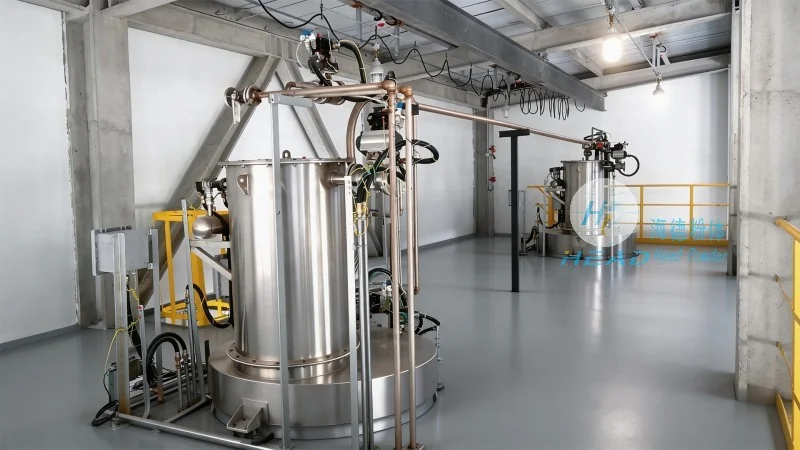
Shandong HeadPowder Engineering Co., Ltd. has successfully implemented AlN pneumatic conveying systems for several clients in the semiconductor and electronics industries. One notable project involved a client in China who required a system to transport fine AlN powder from a storage silo to a production line over a distance of 50 meters with multiple bends. The system was designed using a pressure system with a rotary lobe pump, optimized for the abrasive nature of AlN. The cyclone separator was tailored to handle the fine particle size, achieving over 99% separation efficiency. The client reported significant improvements in material handling efficiency and reduced maintenance costs compared to traditional methods. This success highlights the importance of proper system design and material compatibility in AlN pneumatic conveying applications.
By adhering to these design considerations and leveraging the expertise of companies like Shandong HeadPowder Engineering Co., Ltd., manufacturers can achieve efficient, reliable, and safe handling of aluminum nitride powder. The key is to balance system performance with material characteristics, ensuring that the design meets both operational and safety requirements. As the demand for high-performance materials like AlN continues to grow, the importance of well-designed pneumatic conveying systems will only increase, making it essential for industry professionals to prioritize careful system design and material selection.