

Design Considerations for Lithium Carbonate Pneumatic Conveying Systems
When designing a pneumatic conveying system for lithium carbonate, several critical factors must be carefully considered to ensure efficient operation, safety, and long-term reliability. Lithium carbonate is a key raw material in the battery industry, and its handling requires specialized equipment to manage its unique properties, such as fine particle size and reactivity. This article outlines essential design considerations tailored to the specific demands of lithium carbonate processing, with a focus on the expertise of Shandong HeadPowder Engineering Co., Ltd., a leading provider in the field.
Material Properties and Handling Challenges
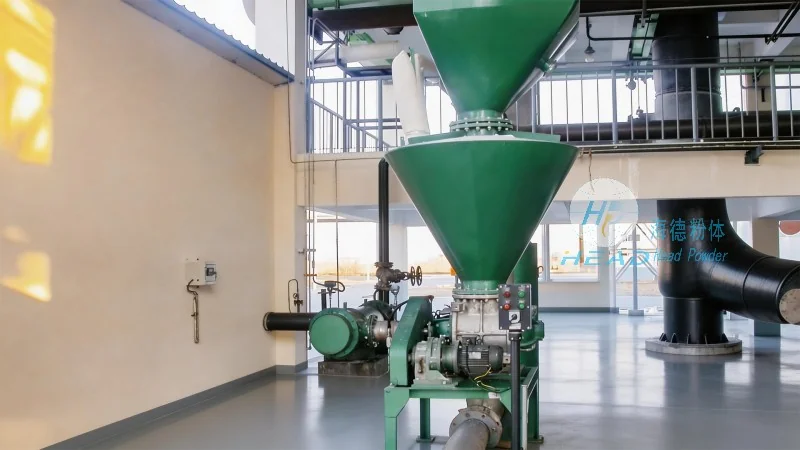
Lithium carbonate is typically processed as a fine powder with a particle size ranging from 1 to 200 microns. Its fine particle size makes it prone to dust generation and agglomeration, which can impact the performance of pneumatic conveying systems. Additionally, lithium carbonate can be hygroscopic, meaning it absorbs moisture from the air, potentially leading to clumping or changes in bulk density. These characteristics necessitate a conveying system designed to maintain consistent flow rates and prevent material degradation. The design must account for the material's reactivity and ensure that all components are compatible to avoid corrosion or chemical reactions.
System Sizing and Flow Rate Optimization
Proper sizing of the pneumatic conveying system is crucial for efficient lithium carbonate transport. The system's capacity must match the production rate and the required throughput. Key parameters include the air velocity, duct diameter, and the number of conveying lines. Overly high air velocities can cause excessive pressure drops and increase energy consumption, while insufficient velocities may lead to blockages or poor material transport. Engineers must calculate the required air volume and pressure based on the material's bulk density, particle size distribution, and the system's layout. Shandong HeadPowder Engineering Co., Ltd. employs advanced computational fluid dynamics (CFD) and empirical formulas to optimize flow rates, ensuring that the system operates at peak efficiency without compromising safety or material integrity.
Material Handling Equipment Selection
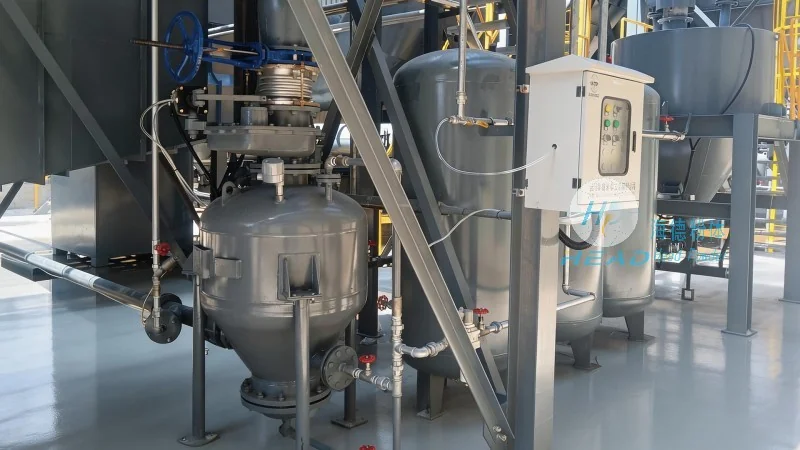
The choice of equipment for feeding, conveying, and discharge is critical in lithium carbonate pneumatic systems. Feeders, such as rotary valves or screw feeders, must be designed to handle fine powders without causing bridging or segregation. The conveying line, typically made of stainless steel or corrosion-resistant materials, must be smooth and free of sharp edges to prevent particle abrasion and system blockages. For long-distance conveying, positive displacement blowers or high-pressure compressors may be used to maintain consistent pressure and flow. The discharge equipment, including cyclones or filters, must effectively separate the material from the air stream while minimizing dust emissions. Shandong HeadPowder Engineering Co., Ltd. specializes in selecting and integrating these components to create a cohesive system that meets the specific needs of lithium carbonate processing plants.
Control and Automation Systems
Modern pneumatic conveying systems for lithium carbonate often incorporate advanced control and automation to enhance operational efficiency and safety. These systems may include pressure sensors, flow meters, and variable frequency drives (VFDs) to regulate air flow and pressure in real-time. Automation allows for precise control of material feed rates, preventing overloading or underloading of the system. Additionally, safety interlocks and emergency shut-off mechanisms are essential to protect personnel and equipment from potential hazards, such as dust explosions or overpressure. Shandong HeadPowder Engineering Co., Ltd. integrates state-of-the-art control systems that are tailored to the unique requirements of lithium carbonate, ensuring seamless operation and minimal downtime.
Environmental and Safety Considerations
Handling lithium carbonate requires strict adherence to environmental and safety regulations. The system must be designed to minimize dust emissions and ensure proper ventilation to protect workers from inhalation hazards. Dust collection systems, such as baghouses or cartridge filters, are typically integrated into the conveying line to capture fine particles and prevent air pollution. Additionally, the system must comply with local fire codes and explosion prevention standards, as lithium carbonate dust can be combustible under certain conditions. Proper grounding and bonding of equipment are also critical to prevent static buildup, which can lead to sparks and fires. Shandong HeadPowder Engineering Co., Ltd. adheres to international safety standards and provides comprehensive safety assessments to ensure that their pneumatic conveying systems for lithium carbonate are both efficient and safe.
Installation and Maintenance Requirements
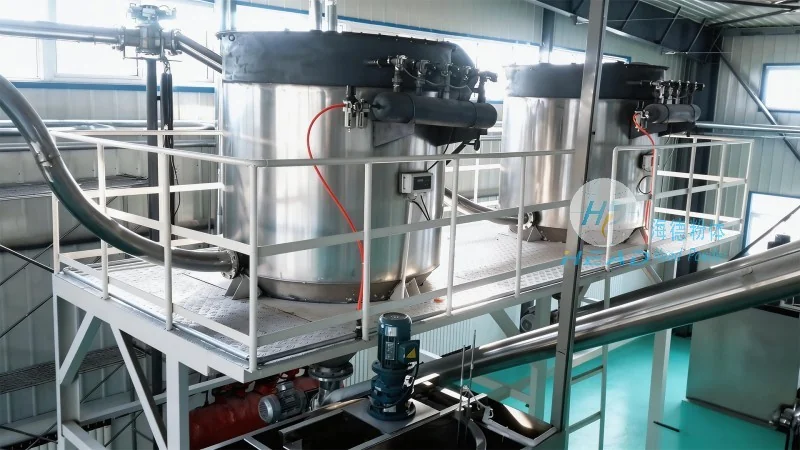
The successful operation of a lithium carbonate pneumatic conveying system depends on proper installation and regular maintenance. The system must be installed according to manufacturer specifications, with attention to proper alignment and sealing to prevent air leaks. Regular maintenance, including cleaning of ducts, filters, and feeders, is essential to maintain system performance and prevent blockages. Shandong HeadPowder Engineering Co., Ltd. offers comprehensive maintenance services and provides detailed maintenance schedules to ensure that the system operates at optimal levels throughout its lifecycle. Their expertise in lithium carbonate handling ensures that clients receive a system that is not only efficient but also durable and low-maintenance.
Conclusion
Designing a pneumatic conveying system for lithium carbonate involves a careful balance of material properties, system sizing, equipment selection, and safety considerations. By addressing these factors, engineers can create a system that maximizes efficiency, minimizes downtime, and ensures the safe handling of this critical raw material. Shandong HeadPowder Engineering Co., Ltd. brings decades of experience in powder handling to the design and implementation of such systems, providing clients with reliable solutions tailored to their specific needs. With their focus on innovation and adherence to industry best practices, they continue to set the standard for lithium carbonate pneumatic conveying systems worldwide.