

Design Considerations for a Barium Sulfate Pneumatic Conveying System
Shandong HeadPowder Engineering Co., Ltd. specializes in the design and implementation of efficient pneumatic conveying systems tailored for barium sulfate applications. With a focus on optimizing material handling processes, our expertise ensures that systems are engineered to meet the specific demands of this industrial mineral, providing reliable and cost-effective solutions for clients across China.
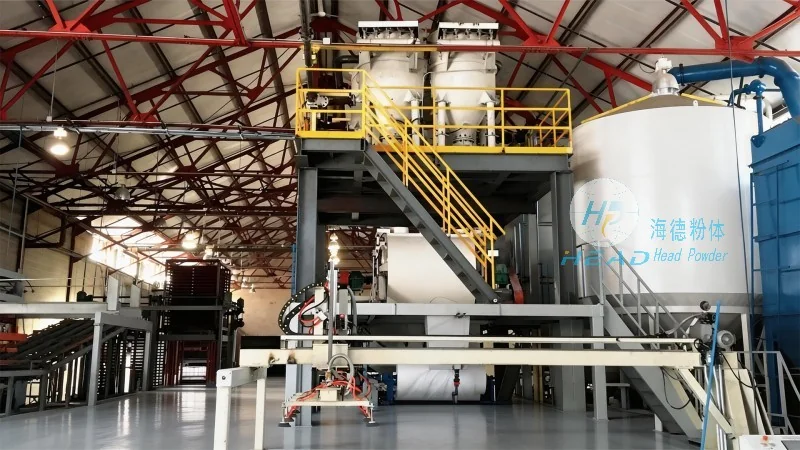
Key Design Considerations for Barium Sulfate Pneumatic Conveying Systems
When designing a pneumatic conveying system for barium sulfate, several critical factors must be considered to ensure optimal performance, safety, and longevity. The first step is to evaluate the material characteristics of barium sulfate, which includes its density, particle size distribution, and flowability. These properties directly impact the selection of the conveying method—whether it’s a positive or negative pressure system—and the required air velocity to maintain consistent flow without causing blockages or excessive wear on equipment.
System Sizing and Airflow Calculations
Accurate system sizing is paramount to the success of a barium sulfate pneumatic conveying system. Engineers at Shandong HeadPowder Engineering Co., Ltd. employ detailed calculations to determine the appropriate air volume and pressure needed to transport the material from the source to the destination. This involves analyzing the material’s bulk density, the length and diameter of the conveying line, and the number of bends or fittings that will affect air resistance. Proper airflow calculations prevent issues such as material settling, clogging, or excessive energy consumption, all of which can compromise system efficiency.
Pipeline Design and Material Selection
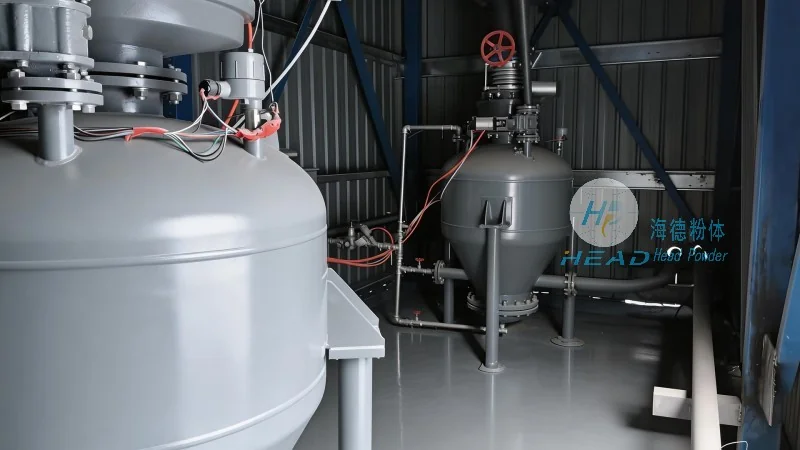
The design of the conveying pipeline is another critical aspect, as it must withstand the abrasive nature of barium sulfate particles. Stainless steel or specialized coated pipes are commonly used to prevent corrosion and wear. The pipeline diameter is chosen based on the required air velocity and the material’s flow characteristics, ensuring that the system operates within the optimal velocity range (typically 20-30 m/s for fine powders like barium sulfate) to avoid particle segregation or degradation. Additionally, the inclusion of expansion joints and flexible connectors helps accommodate thermal expansion and reduce stress on the system components.
Equipment Selection and Integration
Choosing the right equipment for a barium sulfate pneumatic conveying system involves selecting appropriate feeders, air movers, and control valves. For barium sulfate, which is a fine powder, rotary valves or screw feeders are often preferred to ensure consistent material feed and prevent air leakage. The air mover—such as a positive displacement blower or a centrifugal fan—must be selected based on the system’s pressure and flow requirements, with considerations for noise levels and energy efficiency. Integration of the system with existing processes, including storage silos and processing equipment, is also crucial to ensure seamless operation and minimize downtime.
Control and Monitoring Systems
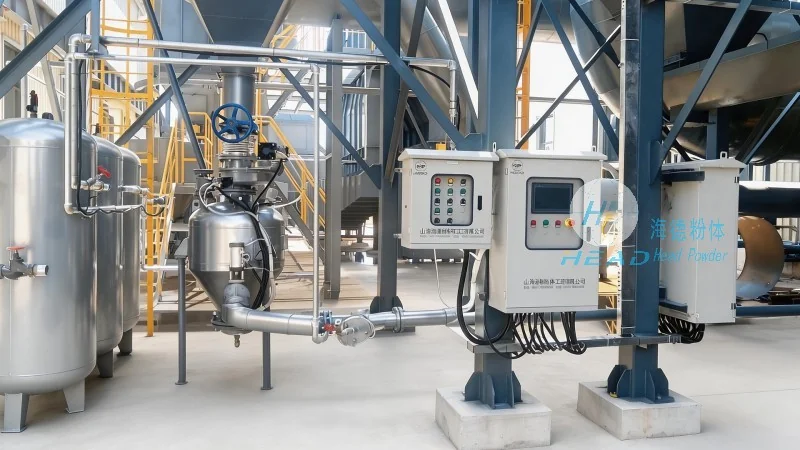
Implementing robust control and monitoring systems enhances the reliability and safety of barium sulfate pneumatic conveying systems. Sensors for pressure, flow, and temperature are installed at key points in the pipeline to provide real-time data on system performance. Automated control systems can adjust air pressure and flow rates based on material feed rates, preventing overloading or under-conveying. Additionally, alarm systems are integrated to detect blockages, pressure drops, or other anomalies, allowing for immediate intervention to prevent system damage or material loss.
Maintenance and Safety Considerations
Maintenance is a key factor in the long-term performance of barium sulfate pneumatic conveying systems. Regular inspections of pipelines, valves, and air movers are necessary to identify and address wear or corrosion. Cleaning procedures, such as pulse jet filters or cyclone separators, are used to remove accumulated material and prevent clogging. Safety considerations include proper ventilation to remove dust and fumes, as well as the use of explosion-proof equipment in areas where barium sulfate dust may accumulate. Compliance with local regulations and industry standards is also essential to ensure the system operates safely and legally.
Conclusion
Designing an effective barium sulfate pneumatic conveying system requires a comprehensive approach that considers material properties, system sizing, pipeline design, equipment selection, and control systems. Shandong HeadPowder Engineering Co., Ltd. leverages its expertise in these areas to deliver customized solutions that meet the specific needs of clients, ensuring efficient, reliable, and safe material handling for barium sulfate applications. By adhering to these design considerations, businesses can optimize their operations, reduce costs, and enhance productivity in the handling of this critical industrial mineral.