

Types and Practical Applications of Pneumatic Conveying Systems for Polyurethane Handling
Pneumatic conveying systems have become a cornerstone in the efficient handling and transportation of polyurethane materials across various industrial applications. These systems utilize air or gas to move polyurethane powders, granules, or other forms of the material through a pipeline network, offering a flexible and often more cost-effective alternative to traditional mechanical conveying methods. For industries dealing with polyurethane, understanding the different types of pneumatic conveying systems and their practical applications is crucial for optimizing material flow, reducing downtime, and enhancing overall operational efficiency.
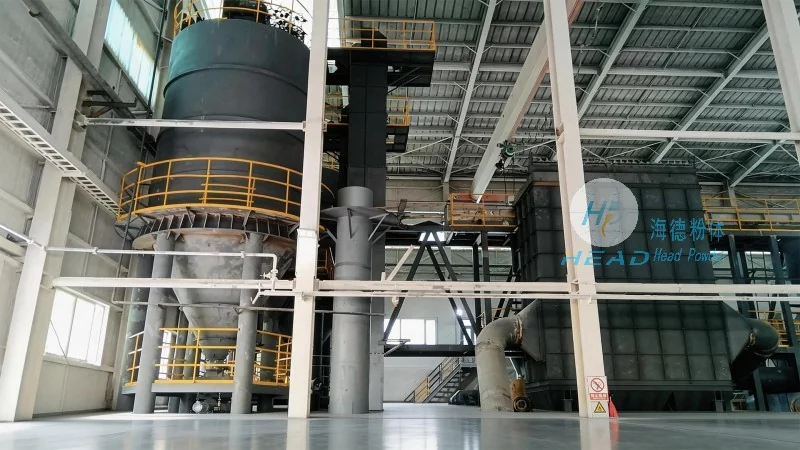
Types of Pneumatic Conveying Systems for Polyurethane
There are several key types of pneumatic conveying systems commonly used in polyurethane handling, each with distinct characteristics and suitability for different operational requirements. The primary categories include pressure, vacuum, and combined systems, each designed to address specific challenges in material handling.
1. Pressure Pneumatic Conveying systems operate by generating positive pressure within the conveying line. This method is ideal for transporting polyurethane materials over longer distances or through complex network configurations. The system typically uses a blower or compressor to push air and material through the pipeline, ensuring consistent flow rates and preventing material degradation. Pressure systems are particularly effective for handling polyurethane powders that are prone to caking or agglomeration, as the positive pressure helps maintain material suspension and prevents blockages.
2. Vacuum Pneumatic Conveying systems, on the other hand, rely on negative pressure to draw material from a source into the conveying line. This approach is well-suited for applications where the material needs to be collected from multiple points or where the source is at a higher elevation than the destination. Vacuum systems are commonly used in polyurethane processing plants for transferring materials from storage silos or hoppers to processing equipment. The gentle handling of the material in vacuum systems helps preserve the quality of polyurethane, which is sensitive to moisture and temperature changes.
3. Combined Pneumatic Conveying systems integrate both pressure and vacuum capabilities, offering greater flexibility in material handling. These systems can operate in either pressure or vacuum mode depending on the specific requirements of the application. For polyurethane handling, combined systems are often used in complex production lines where materials need to be transferred between multiple stages, such as from a mixing unit to a molding machine, and then to a storage area. The ability to switch between pressure and vacuum modes allows for efficient material movement while minimizing energy consumption and operational costs.
Practical Applications of Pneumatic Conveying Systems in Polyurethane Processing
The practical applications of pneumatic conveying systems in polyurethane processing vary widely, depending on the specific needs of the industry and the form of polyurethane being handled. Some of the most common applications include:
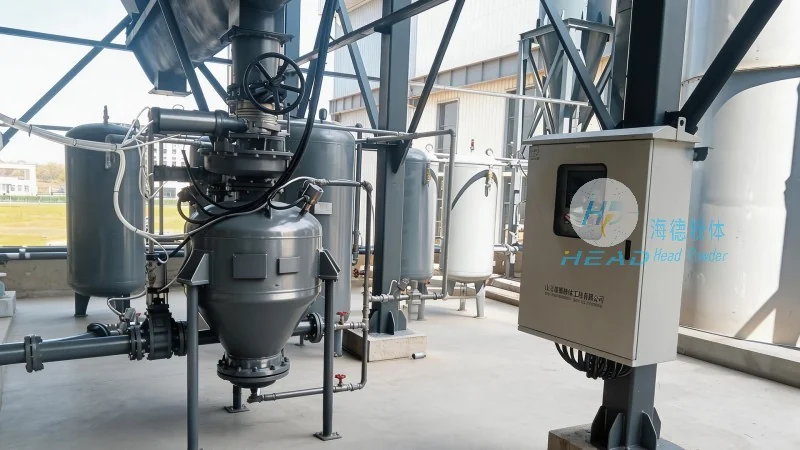
1. Material Transfer from Storage to Processing is a critical step in polyurethane production, where raw materials are transferred from bulk storage silos or hoppers to the mixing and reaction equipment. Pneumatic conveying systems provide a reliable and efficient means of moving polyurethane powders or granules over short to medium distances, ensuring a consistent feed rate to the processing line. This is particularly important in continuous production processes where interruptions can lead to significant losses.
2. Integration with Manufacturing Equipment is another key application, where pneumatic conveying systems are used to connect polyurethane processing equipment, such as mixers, reactors, and extruders. For example, in the production of polyurethane foams, the material may need to be conveyed from a storage hopper to a high-pressure mixing machine, and then to a molding or extrusion unit. Pneumatic conveying systems enable seamless integration between these equipment, ensuring that the material is delivered in the correct quantity and at the right time, without the need for manual handling or additional equipment.
3. Waste and Scrap Handling is an important application in polyurethane processing, where scrap materials or waste products need to be collected and transported to recycling or disposal facilities. Pneumatic conveying systems can efficiently handle polyurethane scrap, which may be in the form of granules or powders, and transport them to a central collection point. This not only improves the overall cleanliness of the production environment but also helps in recycling the material, reducing waste and lowering operational costs.
4. Quality Control and Sampling is a critical aspect of polyurethane production, where accurate sampling of the material is required for quality testing. Pneumatic conveying systems can be used to transport small samples of polyurethane from the production line to a laboratory for analysis. This allows for real-time monitoring of the material quality, ensuring that the final product meets the required specifications. The gentle handling of the material in pneumatic systems helps preserve the integrity of the sample, providing accurate test results.
Benefits of Using Pneumatic Conveying Systems for Polyurethane Handling
Implementing pneumatic conveying systems for polyurethane handling offers numerous benefits that contribute to improved operational efficiency and product quality. Some of the key advantages include:
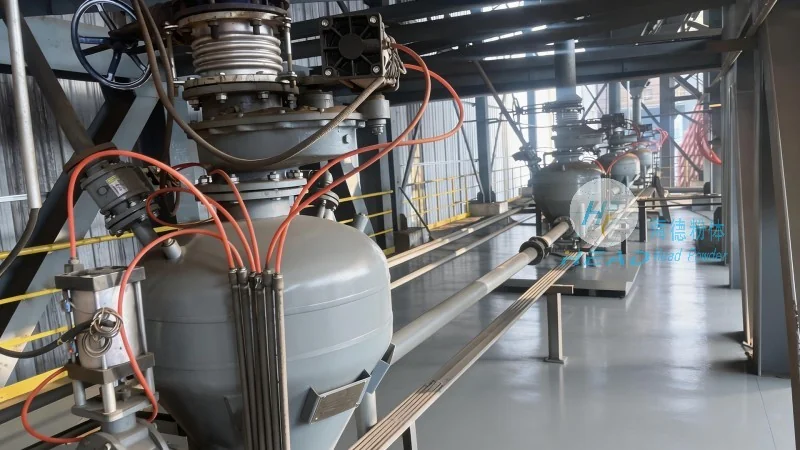
1. Reduced Downtime and Increased Productivity is a major benefit of pneumatic conveying systems. By eliminating the need for manual material handling and reducing the risk of blockages or equipment failure, these systems help minimize downtime in polyurethane production lines. The consistent flow rates and reliable operation of pneumatic systems ensure that production processes run smoothly, leading to increased output and higher productivity.
2. Improved Material Quality and Consistency is another significant advantage. Pneumatic conveying systems handle polyurethane materials gently, preventing degradation, caking, or contamination that can occur with mechanical conveying methods. This helps maintain the quality and consistency of the polyurethane product, which is crucial for meeting customer specifications and ensuring product reliability.
3. Energy Efficiency and Cost Savings are also important benefits. Pneumatic conveying systems are generally more energy-efficient than traditional mechanical systems, as they use less power to move materials over the same distance. Additionally, the reduced need for maintenance and replacement of equipment components due to less wear and tear results in lower operational costs over time.
4. Enhanced Safety and Environmental Compliance is a critical consideration in modern industrial operations. Pneumatic conveying systems eliminate the need for manual handling of polyurethane powders, reducing the risk of dust exposure and potential health hazards. The enclosed pipeline system also helps contain dust and prevent environmental contamination, ensuring compliance with safety and environmental regulations.
Conclusion
In conclusion, pneumatic conveying systems play a vital role in the efficient and reliable handling of polyurethane materials across various industrial applications. The different types of pneumatic conveying systems, including pressure, vacuum, and combined systems, offer flexible solutions tailored to specific operational requirements. Practical applications such as material transfer, integration with manufacturing equipment, waste handling, and quality control demonstrate the versatility and effectiveness of these systems in polyurethane processing. The benefits of using pneumatic conveying systems, including reduced downtime, improved material quality, energy efficiency, and enhanced safety, make them an essential component of modern polyurethane production lines. For industries dealing with polyurethane, investing in the right pneumatic conveying system can lead to significant improvements in operational efficiency, product quality, and overall profitability.