

Types and Practical Applications of Pneumatic Conveying Systems for Zinc Calcine Transport
In the zinc smelting process, the transport of zinc calcine is a critical link that directly impacts production efficiency and safety. Pneumatic conveying systems, as an efficient and flexible transport method, have shown significant advantages in zinc calcine transport. This article will explore different types of pneumatic conveying systems and their practical applications in actual production, providing reference for relevant enterprises.
Basic Principles and Classification of Pneumatic Conveying Systems
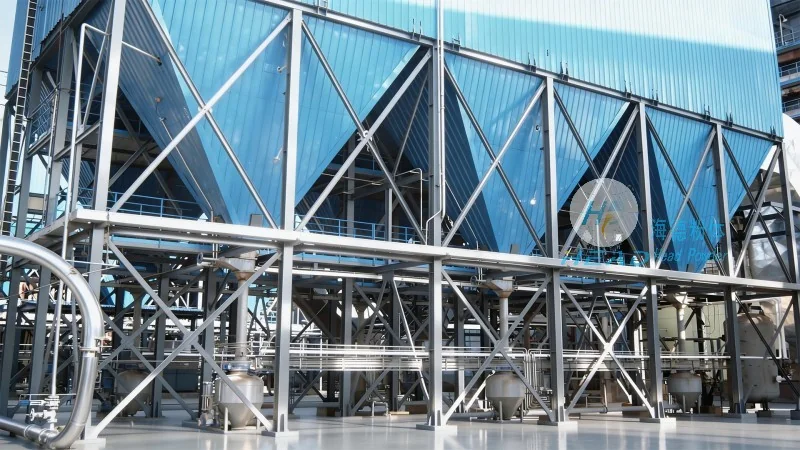
Pneumatic conveying systems use compressed air or inert gases as power to transport solid materials (such as zinc calcine) from one place to another. Based on the system pressure, they are mainly divided into positive pressure pneumatic conveying, negative pressure pneumatic conveying, and mixed-type pneumatic conveying. The positive pressure system continuously supplies compressed air into the conveying pipeline to make the material move with the air flow. The negative pressure system sucks material by creating negative pressure at the end of the conveying pipeline. The mixed-type system combines the characteristics of positive and negative pressure, and is suitable for long-distance or complex path transport.
Application of Positive Pressure Pneumatic Conveying Systems
Positive pressure pneumatic conveying systems are widely used in zinc calcine transport, especially for short-distance, high-concentration material transport. By maintaining positive pressure in the conveying pipeline, this system ensures stable material flow and reduces the risk of blockage. For example, in the transport from zinc calcine silos to smelting furnaces in zinc smelting plants, the positive pressure system can quickly and continuously deliver calcine into the reaction equipment, improving the continuity of production lines. Another advantage of the positive pressure system is its simple operation and low maintenance cost, suitable for small and medium-sized zinc smelting enterprises. HeadPowder's positive pressure pneumatic conveying equipment, using efficient fans and wear-resistant conveying pipelines, can handle high-concentration zinc calcine, with a transport efficiency of hundreds of tons per hour, meeting the needs of large-scale production.
Application of Negative Pressure Pneumatic Conveying Systems
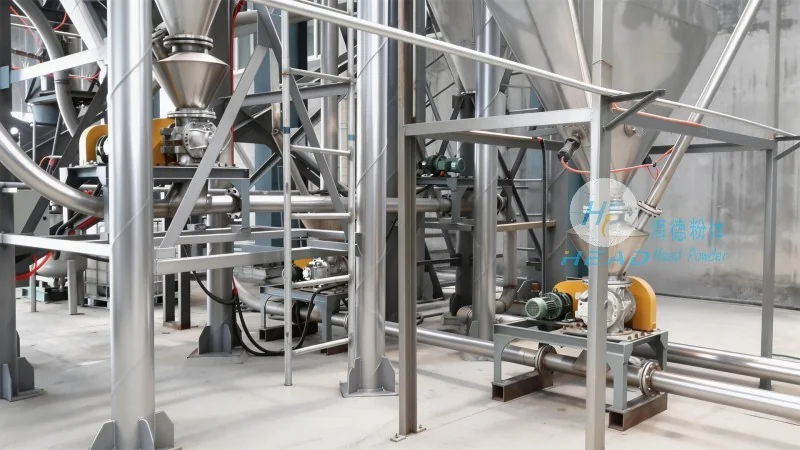
Negative pressure pneumatic conveying systems are suitable for scenarios requiring material collection from multiple points or longer transport distances. In zinc smelting plants, negative pressure systems are often used to collect material from multiple calcine silos or crushing equipment and then concentrate it for transport to the smelting workshop. For example, in the pretreatment stage of zinc calcine, the negative pressure system can suck crushed calcine and transport it through pipelines to screening or drying equipment. The advantage of the negative pressure system is that it can avoid excessive contact of material with air during transport, reducing oxidation and maintaining material quality. HeadPowder's negative pressure pneumatic conveying equipment is equipped with an efficient suction device, which can suck material from multiple dispersed points and achieve a transport distance of several kilometers, ensuring stable material transport. In addition, the negative pressure system has less environmental impact and low noise, suitable for internal factory areas or regions with high environmental requirements.
Application of Mixed-Type Pneumatic Conveying Systems
Mixed-type pneumatic conveying systems combine the advantages of positive and negative pressure, and are suitable for long-distance, complex path zinc calcine transport. The system usually uses positive pressure transport at the start of the transport and negative pressure transport at the end, or vice versa, to optimize energy consumption and material transport efficiency. In the calcine transport of zinc smelting plants, the mixed-type system is often used for long-distance (from calcine silos to smelting furnaces) transport, accelerating material through the positive pressure section and stabilizing transport through the negative pressure section to reduce energy waste. HeadPowder's mixed-type pneumatic conveying equipment can adjust the ratio of positive and negative pressure according to actual needs to achieve the best transport effect. For example, when handling high-concentration zinc calcine, the mixed-type system can balance transport speed and energy consumption, ensuring uniform material flow in the pipeline and avoiding blockage or deposition. This system is especially suitable for large-scale zinc smelting enterprises that require long-distance, high-efficiency transport.
Practical Application Cases and Effect Analysis
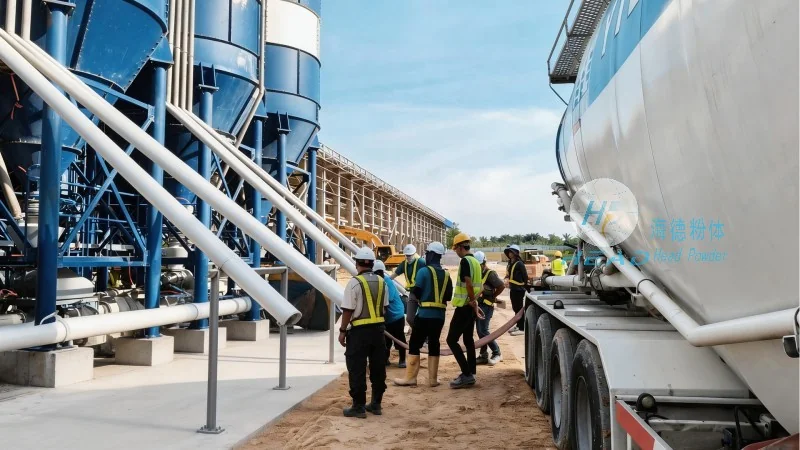
In actual production, the application effect of pneumatic conveying systems in zinc calcine transport is significant. For example, in a large-scale zinc smelting plant, after adopting HeadPowder's positive pressure pneumatic conveying system, the calcine transport efficiency increased by 30% and labor operation costs were reduced. The system optimizes fan parameters and pipeline design to reduce material loss during transport and improve material utilization. Another case shows that a smelting plant used a negative pressure pneumatic conveying system to collect crushed calcine, with a transport distance of 2 kilometers and stable material transport without blockage. HeadPowder's negative pressure equipment effectively avoids material blockage at the suction inlet through its suction device design, ensuring continuous transport. In addition, the mixed-type system in a large-scale zinc smelting plant achieved efficient long-distance (3 kilometers) transport, reducing energy consumption by 20% compared to traditional transport methods, proving its superiority in complex working conditions.
Maintenance and Optimization Suggestions
To ensure the long-term stable operation of pneumatic conveying systems in zinc calcine transport, regular maintenance and optimization are needed. First, it is necessary to regularly check the wear of fans and conveying pipelines and replace worn parts in time, such as fan impellers and pipeline liners. Second, adjust transport parameters such as air flow and transport concentration according to the characteristics of the material to avoid pipeline blockage or material deposition. HeadPowder suggests regularly conducting pressure testing and flow detection on the transport system to ensure it operates at the optimal state. In addition, using wear-resistant materials to manufacture conveying pipelines and valves can effectively extend equipment life and reduce maintenance costs. For positive pressure systems, it is necessary to regularly clean the accumulated dust and caking in the conveying pipelines to prevent blockage; for negative pressure systems, it is important to ensure the suction device is well-sealed to avoid air leakage that affects transport efficiency. Through scientific maintenance and optimization, pneumatic conveying systems can operate stably for a long time, improving the efficiency and quality of zinc calcine transport.