

Types and Practical Applications of Pneumatic Conveying Systems for Magnesia Powder Handling
When it comes to transporting magnesia powder, selecting the right pneumatic conveying system is crucial for efficiency, safety, and cost-effectiveness. Pneumatic conveying systems offer a flexible and effective solution for handling fine powders like magnesia, which are often sensitive to moisture and require careful handling to maintain quality. The choice of system depends on factors such as the powder's properties, the distance to be conveyed, and the required flow rate. In this article, we explore the different types of pneumatic conveying systems used in magnesia powder transport and their practical applications.
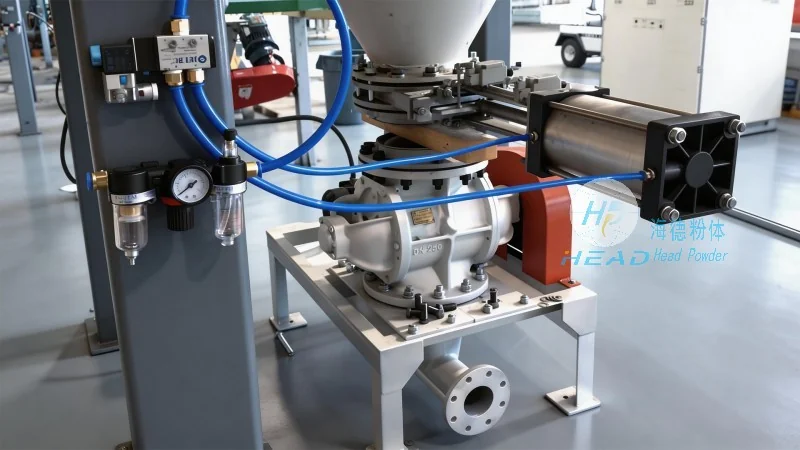
Understanding Pneumatic Conveying Systems for Magnesia Powder
Pneumatic conveying systems use air or gas to transport bulk materials through a pipeline. For magnesia powder, which is typically a fine, dry powder, these systems are designed to handle the material's characteristics while ensuring minimal degradation and loss. The primary goal is to move the powder from a storage or processing point to a destination like a silo, mixer, or packaging area without compromising its quality. There are several types of pneumatic conveying systems, each with its own advantages and applications.
Types of Pneumatic Conveying Systems
1. Positive Pressure Conveying: This system operates by blowing air into the pipeline, pushing the powder forward. It is suitable for short to medium distances and is effective for handling powders that are not too fine or abrasive. The positive pressure system is often used in applications where the powder needs to be conveyed from a central point to multiple destinations, as it can distribute the material to several branches.
2. Negative Pressure (Vacuum) Conveying: In this system, air is drawn out of the pipeline, creating a vacuum that pulls the powder into the system. It is ideal for applications requiring long-distance transport or where the powder needs to be collected from multiple sources. Negative pressure systems are commonly used in environments where dust control is a priority, as they minimize the release of powder particles into the air.
3. Combination (Positive/Negative) Conveying: This hybrid system combines elements of both positive and negative pressure systems. It can start with a positive pressure section to move the powder from the source and then switch to a negative pressure section for the remainder of the journey. This approach is useful for complex conveying routes that involve both short and long segments, allowing for more efficient and flexible transport.
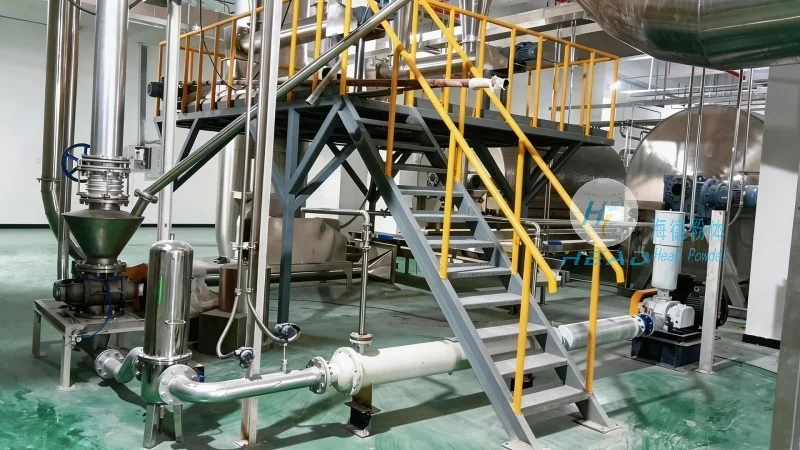
4. Trunk Line Conveying: This system uses a large-diameter pipeline to transport the powder over long distances. It is particularly effective for high-volume applications where the powder needs to be moved from a central plant to a distribution center or storage facility. Trunk line conveying systems are designed to handle large quantities of material with minimal pressure drop, ensuring consistent flow rates.
Practical Applications of Pneumatic Conveying Systems
1. Industrial Production Lines: In magnesia powder production facilities, pneumatic conveying systems are used to transport raw materials from storage silos to processing equipment, and then to finished product silos. This ensures a continuous and efficient flow of material throughout the production process, reducing downtime and improving overall productivity.
2. Construction and Building Materials: Magnesia powder is commonly used in the production of refractory materials, fireproofing compounds, and decorative plaster. Pneumatic conveying systems are used to transport the powder from manufacturing plants to construction sites or distribution centers, ensuring that the material reaches its destination in a dry and consistent state.
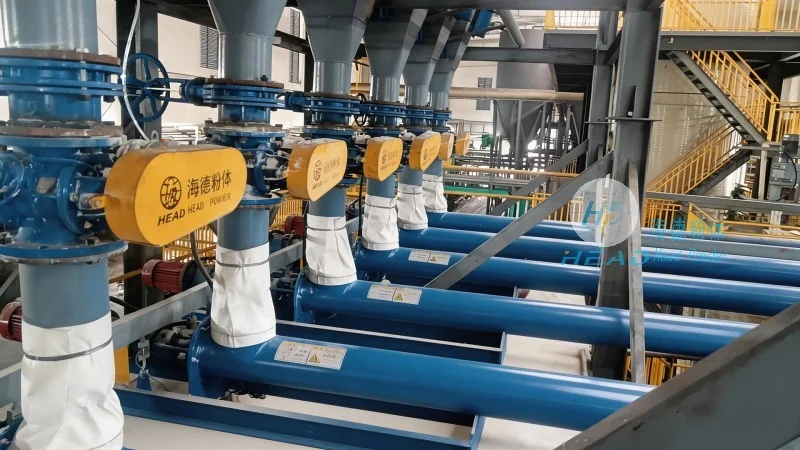
3. Chemical and Pharmaceutical Industries: In these industries, magnesia powder is used as a filler or processing aid. Pneumatic conveying systems are employed to transport the powder from storage to mixing or packaging equipment, maintaining the material's purity and preventing contamination.
4. Environmental and Waste Management: Magnesia powder can be used in waste treatment processes, such as neutralizing acidic waste or as a component in soil stabilization. Pneumatic conveying systems are used to transport the powder to treatment facilities, ensuring that it is delivered in a controlled manner and without causing environmental issues.
Key Considerations for Choosing a Pneumatic Conveying System
When selecting a pneumatic conveying system for magnesia powder, several factors must be considered to ensure optimal performance and efficiency. These include:
- Powder Properties: The particle size, density, and moisture content of the magnesia powder will affect the choice of system. For example, very fine powders may require a system with higher air velocity to prevent clogging.
- Conveying Distance and Height: The distance and vertical height the powder needs to be conveyed will determine the system's design. Longer distances may require higher pressure or a combination of positive and negative pressure.
- Dust Control and Safety: Magnesia powder can be a respiratory hazard if inhaled. Pneumatic conveying systems should be designed with dust collection and filtration systems to minimize airborne particles and ensure a safe working environment.
- System Maintenance and Durability: The system should be constructed from materials that are resistant to the abrasive nature of magnesia powder and easy to clean and maintain. This ensures long-term reliability and reduces downtime.
About Shandong HeadPowder Engineering Co., Ltd.
Shandong HeadPowder Engineering Co., Ltd., commonly known as headpowder, is a leading manufacturer and supplier of pneumatic conveying systems and related equipment for the handling of magnesia powder and other fine bulk materials. With years of experience in the industry, the company specializes in designing and manufacturing customized solutions that meet the specific needs of its clients. Headpowder's systems are known for their efficiency, reliability, and durability, making them a trusted choice for businesses in the magnesia and related industries.