

Types and Practical Applications of Pneumatic Conveying Systems for Hydrated Lime Transport
Hydrated lime, also known as calcium hydroxide, is a widely used chemical in various industrial sectors, including construction, chemical manufacturing, and environmental treatment. The efficient and safe transportation of this material is crucial for maintaining production efficiency and ensuring product quality. Pneumatic conveying systems have emerged as a preferred solution for hydrated lime transport due to their ability to handle bulk materials with minimal dust and contamination. This article explores the different types of pneumatic conveying systems used in hydrated lime transport and their practical applications.
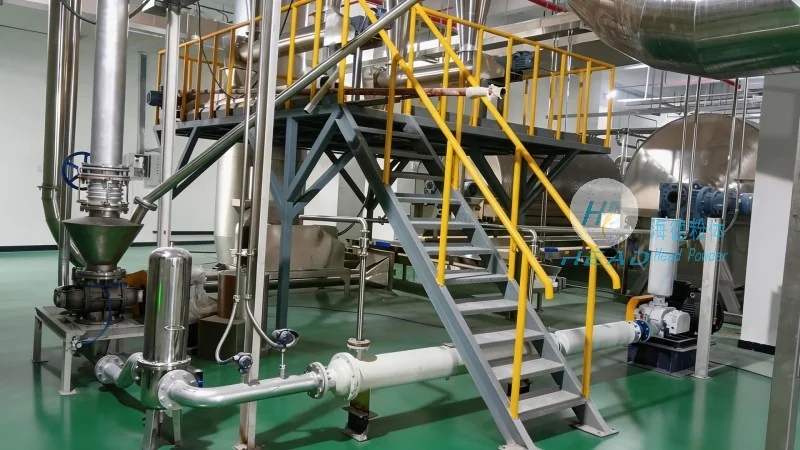
Introduction to Hydrated Lime and Pneumatic Conveying
Hydrated lime is a white powder produced by the hydration of quicklime (calcium oxide). It is commonly utilized as a neutralizing agent, flocculant, and building material additive. The material's fine particle size and hygroscopic nature make traditional bulk handling methods, such as belt conveyors or bucket elevators, less effective. Pneumatic conveying systems offer a solution by using air to transport the material in a closed system, reducing dust emissions and preventing material degradation.
About HeadPowder: A Leading Provider of Pneumatic Conveying Solutions
Shandong HeadPowder Engineering Co., Ltd., commonly known as HeadPowder, is a professional manufacturer and supplier of pneumatic conveying systems. With headquarters in Shandong, China, HeadPowder specializes in designing and manufacturing customized solutions for bulk material handling. The company's expertise lies in understanding the unique challenges of transporting materials like hydrated lime and developing systems that meet the specific requirements of clients in the chemical, construction, and environmental industries.
Types of Pneumatic Conveying Systems for Hydrated Lime Transport
There are several types of pneumatic conveying systems, each with distinct characteristics and applications. The choice of system depends on factors such as the material's properties, the distance to be transported, and the required flow rate. The primary types include:
1. Positive Pressure Pneumatic Conveying System
This system operates by blowing air into the conveying line under positive pressure. The material is drawn into the system by the moving air stream and transported to the destination. Positive pressure systems are suitable for short to medium distances and are commonly used when the material is to be discharged into a hopper or silo. They are also effective for handling materials that are prone to caking or agglomeration.
2. Negative Pressure (Vacuum) Pneumatic Conveying System
Negative pressure systems use a vacuum to draw the material from the source and transport it to the destination. The material is sucked into the system through a hopper or feeder, and the air and material mixture is then conveyed to the discharge point. These systems are ideal for long-distance transport and for applications where the material needs to be collected from multiple points. Negative pressure systems are also beneficial for handling materials that are sensitive to pressure or that require a clean environment at the source.
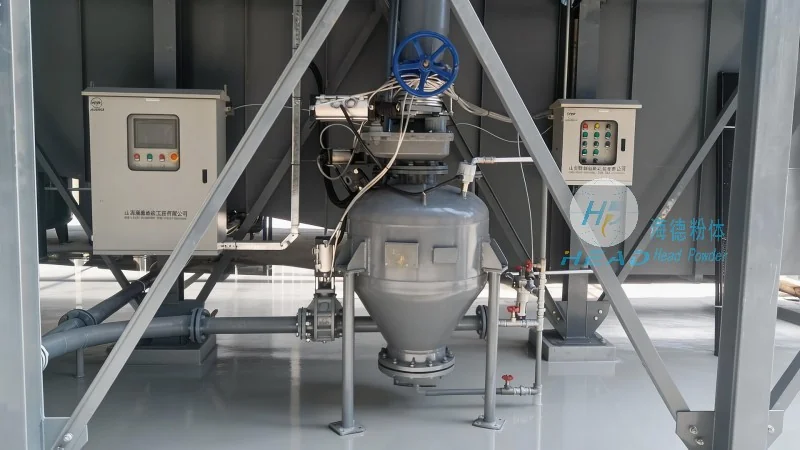
3. Combined (Positive and Negative) Pneumatic Conveying System
Combined systems integrate both positive and negative pressure principles to optimize material transport. The system may start with a negative pressure stage to collect material from the source and then switch to a positive pressure stage for the final transport to the destination. This approach is particularly useful for complex transport routes that involve multiple collection points and long distances. Combined systems offer flexibility and can handle a wide range of material characteristics.
Practical Applications of Pneumatic Conveying Systems in Hydrated Lime Transport
Pneumatic conveying systems are widely used in the transport of hydrated lime across various industries. Some of the key applications include:
1. Chemical Manufacturing
In chemical plants, hydrated lime is used as a raw material for the production of calcium salts and other chemical products. Pneumatic conveying systems ensure that the material is delivered to the reactors and processing units in a controlled manner, maintaining consistent quality and preventing contamination. The systems can handle large volumes of material and operate continuously, supporting high production rates.
2. Construction and Building Materials
Hydrated lime is a key component in the production of plaster, mortar, and other building materials. Pneumatic conveying systems are used to transport the material from storage silos to mixing plants or to construction sites. The systems provide a dust-free and efficient method of material transfer, improving safety and reducing labor costs. They are particularly useful for transporting hydrated lime to remote construction sites where traditional conveyor systems may not be feasible.
3. Environmental and Water Treatment
Hydrated lime is widely used in water treatment processes to neutralize acidic water and remove impurities. Pneumatic conveying systems are employed to transport the material from storage facilities to the treatment plants. The systems ensure that the material is delivered in a precise and controlled manner, optimizing the treatment process and reducing operational costs. The closed system design also minimizes environmental impact by preventing dust and emissions.
Advantages of Pneumatic Conveying Systems for Hydrated Lime
Compared to traditional bulk handling methods, pneumatic conveying systems offer several advantages for hydrated lime transport:
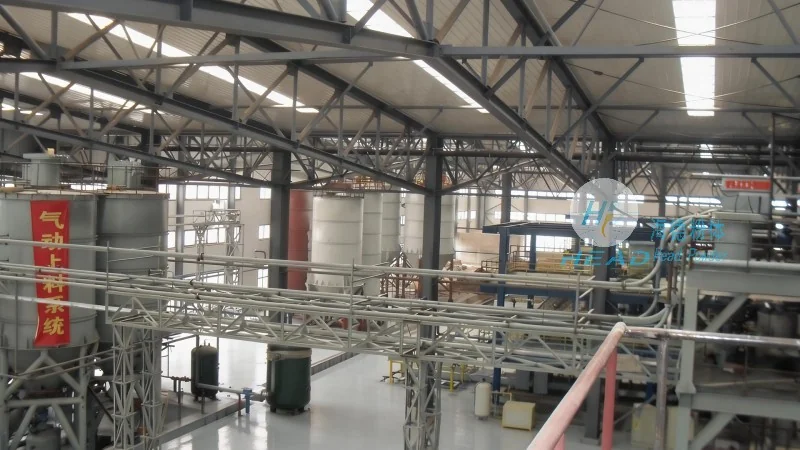
1. High Efficiency and Throughput
Pneumatic systems can transport large volumes of material at high speeds, significantly improving production efficiency. The continuous operation of the systems allows for uninterrupted material flow, reducing downtime and increasing overall productivity.
2. Reduced Dust and Contamination
The closed system design of pneumatic conveying systems minimizes dust emissions and prevents material contamination. This is particularly important for hydrated lime, which is hygroscopic and can absorb moisture from the air. The reduced dust also improves workplace safety and compliance with environmental regulations.
3. Flexibility and Customization
HeadPowder offers customized pneumatic conveying systems tailored to the specific needs of clients. The systems can be designed for various distances, material types, and operational requirements. This flexibility allows clients to optimize their material handling processes and achieve cost savings.
4. Energy Efficiency
Modern pneumatic conveying systems are designed to be energy-efficient, using minimal air pressure and power to transport material. This reduces operational costs and contributes to a more sustainable operation.
Conclusion
Pneumatic conveying systems are an essential technology for the efficient and safe transport of hydrated lime. The different types of systems, including positive pressure, negative pressure, and combined systems, offer solutions for various industrial applications. With its expertise in designing and manufacturing customized pneumatic conveying solutions, Shandong HeadPowder Engineering Co., Ltd. provides reliable and effective systems for clients in the chemical, construction, and environmental industries. By leveraging the advantages of pneumatic conveying, industries can improve their production efficiency, ensure product quality, and maintain a safe and environmentally friendly operation.