

Types and Practical Applications of Pneumatic Conveying Systems for Resin Transport
Pneumatic conveying systems have become an essential technology in the resin manufacturing and processing industries, offering efficient and reliable methods for transporting resin materials from one location to another. As a leading provider in the field, Shandong HeadPowder Engineering Co., Ltd. specializes in designing and implementing customized pneumatic conveying solutions tailored to the unique needs of resin producers. This article explores the different types of pneumatic conveying systems used in resin transport and their practical applications, highlighting the benefits and considerations for each system type.
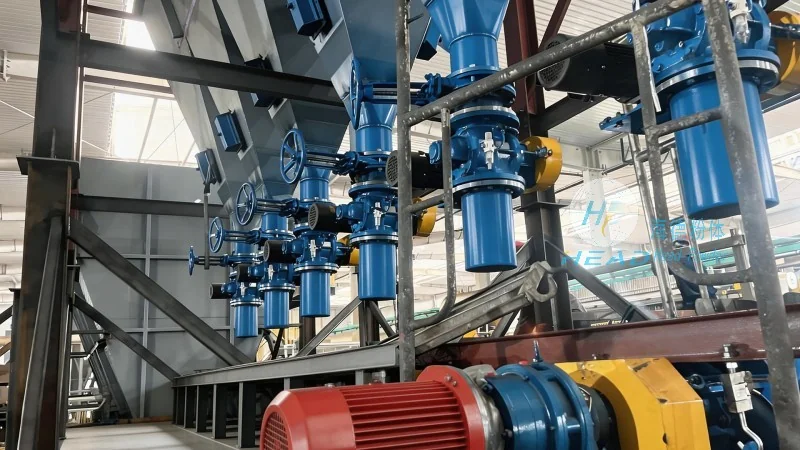
Types of Pneumatic Conveying Systems for Resin Transport
There are primarily two main categories of pneumatic conveying systems: positive pressure and negative pressure systems. Each type has distinct characteristics and is suitable for different resin characteristics and operational requirements.
Positive pressure systems, also known as pressure conveying systems, operate by blowing air or gas through the conveying line to move the resin material. These systems are typically used for long-distance or high-capacity transport, as they can maintain consistent pressure and flow rates. Positive pressure systems are particularly effective for transporting abrasive or high-density resin materials, as the pressure helps to prevent material degradation and blockages. In addition, positive pressure systems can be equipped with various components such as cyclones, filters, and dust collectors to ensure clean and efficient material handling.
Negative pressure systems, or vacuum conveying systems, operate by creating a vacuum in the conveying line to draw the resin material into the system. These systems are commonly used for short-distance or low-volume transport, as they are more suitable for handling fine or powdery resin materials. Negative pressure systems are ideal for applications where dust control and material containment are critical, as the vacuum helps to prevent material spillage and airborne particles. However, negative pressure systems may require more maintenance and are generally less efficient for high-capacity transport compared to positive pressure systems.
Another type of pneumatic conveying system is the mixed pressure system, which combines elements of both positive and negative pressure systems. This system uses a combination of pressure and vacuum to transport resin materials, offering flexibility and efficiency for various operational scenarios. Mixed pressure systems are often used in applications where both long-distance and short-distance transport is required, or where the resin material has varying characteristics that need to be accommodated.
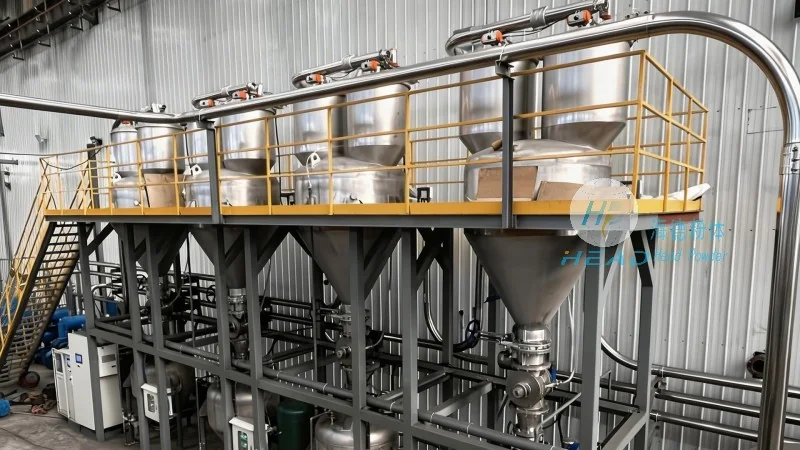
Practical Applications of Pneumatic Conveying Systems in Resin Industry
Pneumatic conveying systems find widespread application in the resin industry, from raw material handling to finished product packaging. One of the most common applications is the transport of resin powders from storage silos to processing equipment, such as mixers and extruders. This process requires efficient and consistent material flow to ensure uniform mixing and processing, which is achieved through the use of positive pressure systems that maintain a steady flow rate and pressure.
Another practical application is the transfer of resin materials between different production lines or facilities. For example, in large-scale resin manufacturing plants, pneumatic conveying systems are used to move resin from the production area to the storage area or to other processing facilities. This allows for seamless integration of production processes and ensures that materials are transported quickly and safely, minimizing downtime and material loss.
Additionally, pneumatic conveying systems are used in quality control and testing processes within the resin industry. For instance, resin samples may need to be transported from a sampling station to a laboratory for analysis. Negative pressure systems are often used for this application, as they can handle fine resin powders and provide a clean and controlled environment for sample transport. The use of vacuum conveying also helps to prevent contamination and ensure the integrity of the samples being analyzed.
Furthermore, pneumatic conveying systems are utilized in the packaging and distribution of resin products. After processing, resin materials may need to be transferred to packaging equipment or storage containers. Positive pressure systems are typically used for this stage, as they can handle larger volumes of material and maintain consistent pressure to ensure efficient packaging. The use of positive pressure systems also helps to prevent material degradation during the packaging process, ensuring that the final product meets quality standards.
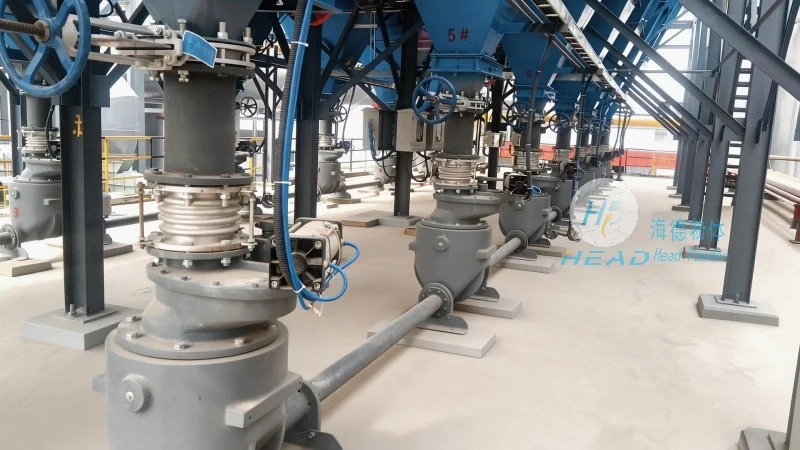
Benefits and Considerations for Pneumatic Conveying Systems in Resin Transport
Implementing pneumatic conveying systems in resin transport offers several benefits, including improved efficiency, reduced labor costs, and enhanced safety. By automating the material handling process, resin producers can increase production throughput and minimize the risk of human error. Additionally, pneumatic conveying systems can help to reduce material waste and improve overall operational efficiency by minimizing material spillage and blockages.
However, there are also several considerations to keep in mind when selecting and implementing a pneumatic conveying system for resin transport. The choice of system type depends on factors such as the resin material characteristics, transport distance, and operational requirements. For example, abrasive or high-density resin materials may require more robust equipment and maintenance to prevent wear and tear. Additionally, the cost of installation and maintenance should be considered, as pneumatic conveying systems can be a significant investment for resin producers.
Another consideration is the environmental impact of pneumatic conveying systems. While these systems are generally more efficient than traditional methods, they can still generate dust and airborne particles that need to be controlled. Proper dust collection and filtration systems are essential to ensure compliance with environmental regulations and to maintain a safe working environment. Shandong HeadPowder Engineering Co., Ltd. offers comprehensive solutions that address these environmental concerns, including advanced filtration systems and dust control measures.
Conclusion and Company Overview
Pneumatic conveying systems are a critical component of modern resin manufacturing and processing, providing efficient and reliable methods for transporting resin materials. Whether using positive pressure, negative pressure, or mixed pressure systems, resin producers can benefit from improved operational efficiency, reduced costs, and enhanced safety. Shandong HeadPowder Engineering Co., Ltd. is a leading provider of customized pneumatic conveying solutions, with a focus on meeting the unique needs of resin producers. With years of experience and expertise in the field, HeadPowder offers high-quality, reliable systems that are tailored to the specific requirements of each client. By partnering with HeadPowder, resin producers can ensure that their material handling processes are optimized for efficiency, safety, and cost-effectiveness.