

Types and Practical Applications of Pneumatic Conveying Systems for Soybean Transport
HeadPowder, a leading engineering firm based in Shandong, China, specializes in the design and implementation of efficient pneumatic conveying systems tailored for soybean transport. This article explores the various types of pneumatic conveying systems and their practical applications in the soybean processing industry, highlighting the technical advantages and operational benefits that these systems offer.
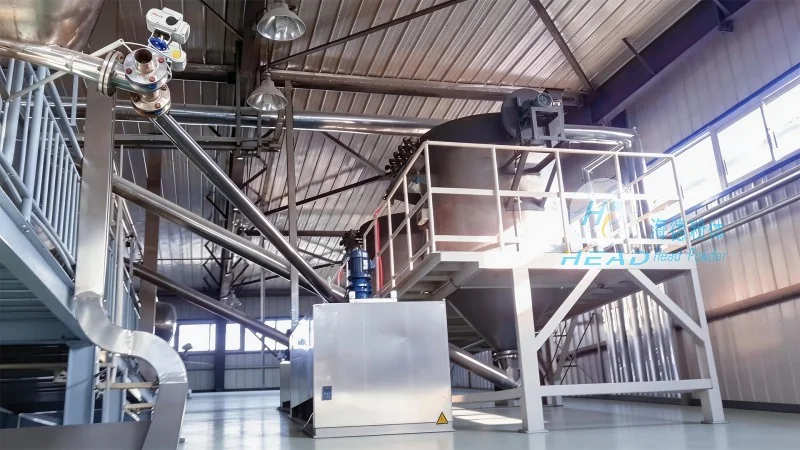
Types of Pneumatic Conveying Systems
There are primarily two main categories of pneumatic conveying systems used in soybean transport: positive pressure systems and negative pressure systems. Each type has distinct characteristics and is suited to different operational requirements.
Positive pressure systems operate by blowing air or gas into the conveying line, propelling the material forward. These systems are typically used for short to medium distance transport and are suitable for handling dry, free-flowing materials like soybeans. The primary advantage of positive pressure systems is their ability to handle a wide range of particle sizes and moisture content, making them versatile for various processing stages. Additionally, they are generally easier to install and maintain compared to negative pressure systems.
Negative pressure systems, on the other hand, operate by creating a vacuum in the conveying line, drawing the material into the system. These systems are often employed for longer distances or when the material needs to be transported from multiple points into a central collection point. Negative pressure systems are particularly effective for handling dusty or fine materials, as they minimize the risk of dust emissions and provide better control over the material flow. However, they may require more complex filtration and air cleaning systems to manage the air quality and prevent contamination.
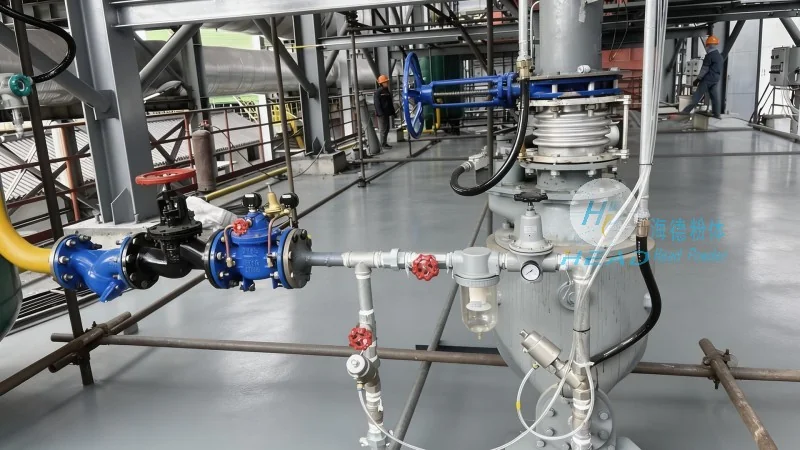
Practical Applications in Soybean Processing
Pneumatic conveying systems play a crucial role in the soybean processing workflow, from raw material handling to final product packaging. One common application is the transfer of soybeans from storage silos or bins to processing equipment such as hullers, decorticators, or extruders. This step is critical for ensuring a continuous and efficient supply of raw material to the processing line, reducing downtime and improving overall productivity.
Another important application is the transport of processed soy products, such as soy flour, soy meal, or soy protein isolates, from processing units to storage silos or packaging lines. Pneumatic conveying systems are ideal for this task as they can handle the fine, powdery nature of these products without causing excessive wear or degradation. The systems also help maintain product quality by minimizing exposure to air and moisture, which can affect the nutritional value and shelf life of the final products.
In addition to material transfer, pneumatic conveying systems are also used in quality control and inspection processes. For instance, they can be integrated with sampling equipment to collect representative samples of soybeans for laboratory analysis. This allows for real-time monitoring of product quality and helps in making informed decisions regarding further processing or quality adjustments.
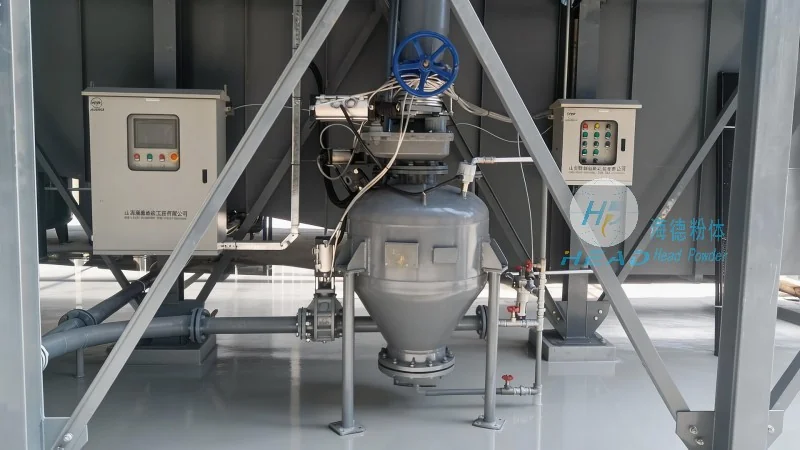
Key Benefits and Considerations
Implementing a pneumatic conveying system for soybean transport offers several key benefits. Firstly, these systems provide a clean and hygienic method of material handling, which is essential in food processing industries to maintain product safety and compliance with regulatory standards. Unlike mechanical conveyors, pneumatic systems do not come into direct contact with the material, reducing the risk of contamination and cross-contamination.
Secondly, pneumatic conveying systems offer high efficiency and flexibility. They can be easily adjusted to handle varying material flow rates and can be integrated with other processing equipment to create a seamless production line. The systems also allow for the transport of materials over long distances without the need for multiple transfer points, simplifying the overall layout of the processing facility.
However, there are also some considerations to keep in mind when selecting a pneumatic conveying system for soybean transport. The choice between positive and negative pressure systems depends on factors such as the distance of transport, the material characteristics (e.g., particle size, moisture content), and the desired level of air quality control. Additionally, proper maintenance and regular cleaning of the system are crucial to ensure optimal performance and prevent blockages or wear.