

Types and Practical Applications of Pneumatic Conveying Systems in Sediment Transport
Pneumatic conveying systems play a crucial role in the efficient and reliable transport of sediments, such as sand, silt, and other particulate materials. These systems utilize air or gas as the conveying medium to move bulk materials from one location to another, offering advantages over traditional methods like belt conveyors or trucks. The technology has evolved significantly over the years, with various types of systems designed to suit different operational requirements and material characteristics. Understanding the different types and practical applications of these systems is essential for industries involved in sediment handling and processing.
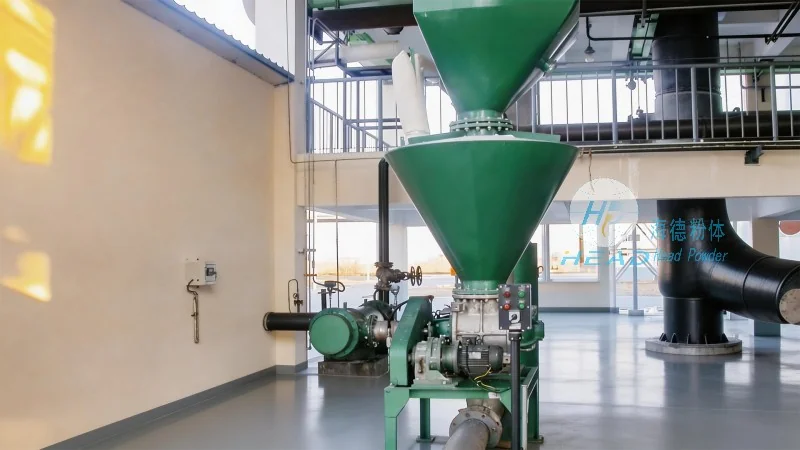
Types of Pneumatic Conveying Systems for Sediment Transport
There are primarily two main categories of pneumatic conveying systems used in sediment transport: dilute-phase and dense-phase systems. Each type has distinct characteristics and is suitable for different scenarios.
1. **Dilute-Phase Pneumatic Conveying**: This system operates by suspending the sediment particles in a high-velocity air stream. The particles are carried through the pipeline in a dispersed state, with the air-to-material ratio being relatively high. Dilute-phase systems are typically used for short to medium distances and for materials that are less abrasive or have lower bulk density. They are known for their high capacity and ability to handle a wide range of particle sizes. However, they may require larger air volumes and can be more susceptible to pressure drops over long distances.
2. **Dense-Phase Pneumatic Conveying**: In contrast, dense-phase systems transport the sediment in a more concentrated form, where the particles are carried in a slurry-like mixture with a lower air-to-material ratio. This method is often used for longer distances or when the material is more abrasive or has higher bulk density. Dense-phase systems are capable of handling materials that are difficult to transport in dilute-phase systems, such as fine powders or cohesive sediments. They offer better control over material flow and can reduce the risk of material degradation or blockages in the pipeline.
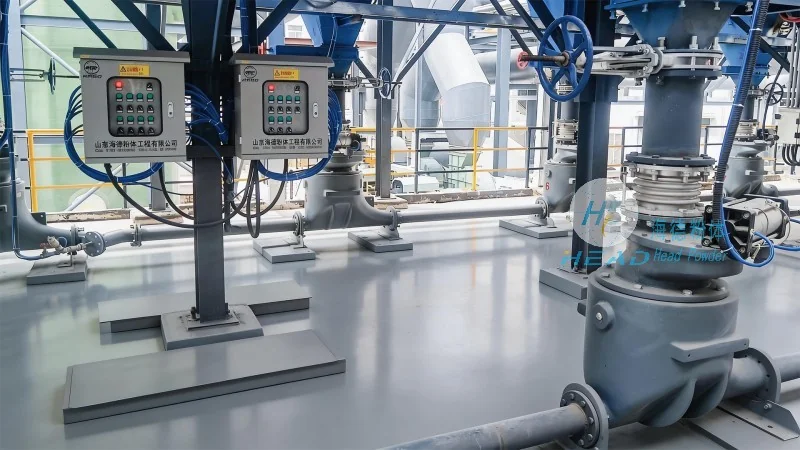
Practical Applications of Pneumatic Conveying Systems
The practical applications of pneumatic conveying systems in sediment transport are diverse and widespread across various industries. Here are some key areas where these systems are commonly utilized:
1. **Port and Maritime Operations**: In ports, pneumatic conveying systems are used to transport bulk sediments from storage facilities to ships or other processing plants. This is particularly useful for handling materials like sand, gravel, and other marine sediments, which need to be moved efficiently without the need for heavy machinery or manual labor. The systems can be integrated with loading and unloading equipment to streamline the entire operation, improving overall productivity and reducing operational costs.
2. **Mining and Quarrying Industries**: Mining operations often involve the transport of large volumes of sediment, including ore and rock particles. Pneumatic conveying systems are employed to move these materials from mining sites to processing facilities or storage areas. The technology allows for the safe and efficient transport of abrasive materials, reducing wear and tear on equipment and minimizing the risk of accidents. Additionally, these systems can be designed to handle varying particle sizes and moisture content, making them versatile for different mining applications.
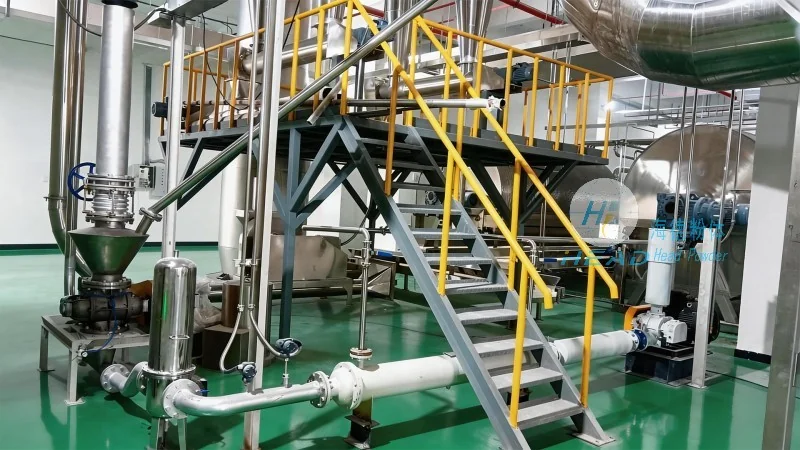
3. **Construction and Infrastructure Projects**: In construction, pneumatic conveying systems are used to transport sediments like sand, cement, and other building materials to job sites. This method is especially beneficial for projects located in remote or hard-to-reach areas, where traditional transport methods may be impractical. The systems can deliver materials directly to the point of use, improving construction efficiency and reducing the need for additional storage or handling equipment. They are also useful for transporting construction waste or debris from demolition sites to disposal areas.
4. **Industrial Processing Plants**: Many industrial processes, such as cement production, chemical manufacturing, and water treatment, involve the handling of sediments as raw materials or byproducts. Pneumatic conveying systems are integrated into these plants to transport sediments between different processing stages. For example, in cement plants, sand and other raw materials are conveyed from storage silos to the grinding and mixing units. The systems ensure a continuous and controlled flow of materials, enhancing the overall efficiency of the production process.
Key Considerations and Advantages of Pneumatic Conveying Systems
When selecting a pneumatic conveying system for sediment transport, several factors need to be considered to ensure optimal performance and efficiency. These include the material characteristics (such as particle size, density, and moisture content), the distance to be covered, and the required capacity. Additionally, the system design must account for factors like pressure drop, air consumption, and equipment maintenance.
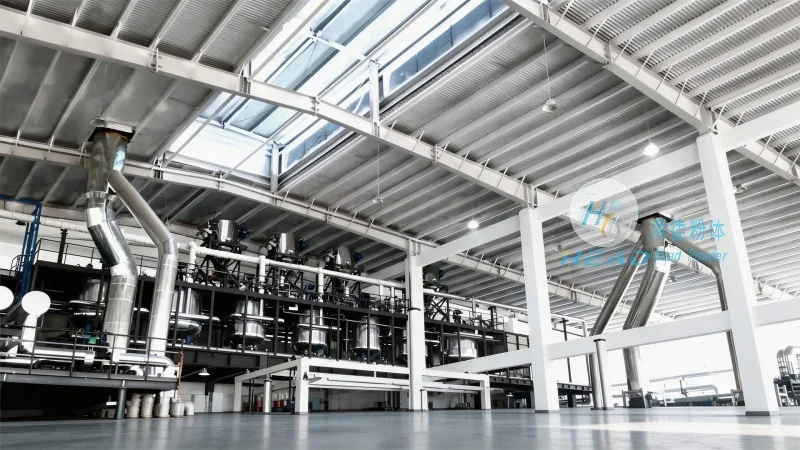
Despite the initial investment and complexity, pneumatic conveying systems offer several advantages over traditional transport methods. These include:
- Reduced Labor and Equipment Costs: By automating the transport process, these systems minimize the need for manual labor and heavy machinery, leading to lower operational costs.
- Improved Safety: The enclosed pipeline system reduces the risk of dust exposure and material spills, creating a safer working environment.
- Enhanced Material Handling Efficiency: Pneumatic conveying systems can handle a wide range of materials and particle sizes, with high capacity and low maintenance requirements.
- Flexibility and Scalability: These systems can be easily modified or expanded to accommodate changing operational needs or increased material volumes.
About Shandong HeadPowder Engineering Co., Ltd.
Shandong HeadPowder Engineering Co., Ltd., commonly known as headpowder, is a leading provider of advanced pneumatic conveying solutions for sediment transport applications. With a strong focus on innovation and customer satisfaction, the company specializes in designing, manufacturing, and installing customized pneumatic conveying systems tailored to the specific needs of its clients. HeadPowder's expertise lies in understanding the unique challenges of sediment handling and developing solutions that enhance operational efficiency and reliability.
HeadPowder's team of engineers and technicians work closely with clients to assess their material handling requirements and recommend the most suitable pneumatic conveying system. The company's products are known for their durability, efficiency, and compliance with industry standards. HeadPowder is committed to providing high-quality, reliable equipment that meets the demands of modern sediment transport operations. With its headquarters in Shandong, China, HeadPowder serves clients globally, delivering tailored solutions that improve productivity and reduce costs in various industries.