

Components of Molybdenum Concentrate Pneumatic Conveying
Molybdenum concentrate pneumatic conveying systems are sophisticated industrial solutions designed to transport molybdenum concentrate efficiently and safely. The effectiveness of such systems hinges on a well-designed and integrated set of components that work in harmony to achieve optimal performance. At HeadPowder, a leading provider in the field, we specialize in delivering comprehensive solutions that incorporate all essential elements for reliable molybdenum concentrate handling.
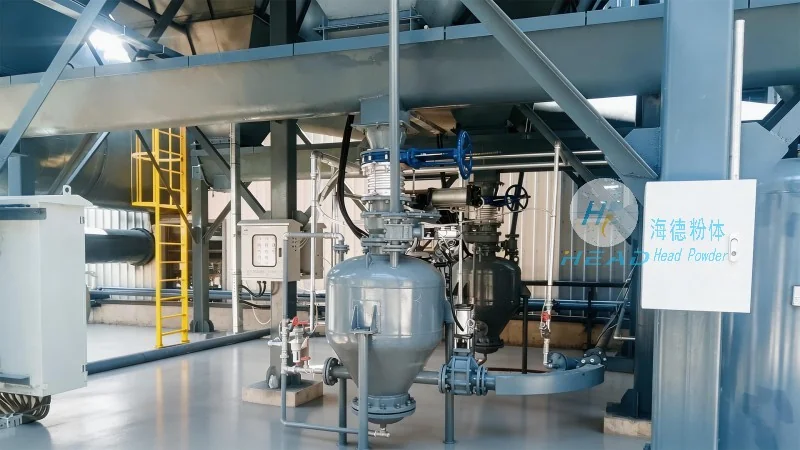
The Primary Components of a Molybdenum Concentrate Pneumatic Conveying System
The primary components of a molybdenum concentrate pneumatic conveying system typically include:
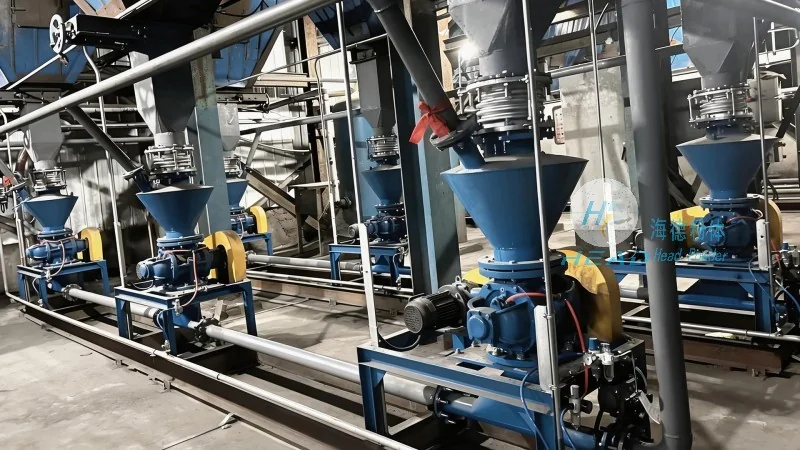
1. Feeding Equipment
This is the initial stage where the molybdenum concentrate is introduced into the system. Feeding equipment, such as rotary valves or screw feeders, ensures a controlled and consistent flow of material into the conveying line. Proper feeding is crucial to prevent blockages and maintain system efficiency.
2. Air Supply System
The air supply system provides the necessary pressure and volume of air to move the molybdenum concentrate through the pipeline. This typically involves a blower or compressor, along with air treatment components like filters and regulators to ensure clean and dry air, which is vital for preventing system corrosion and maintaining material quality.
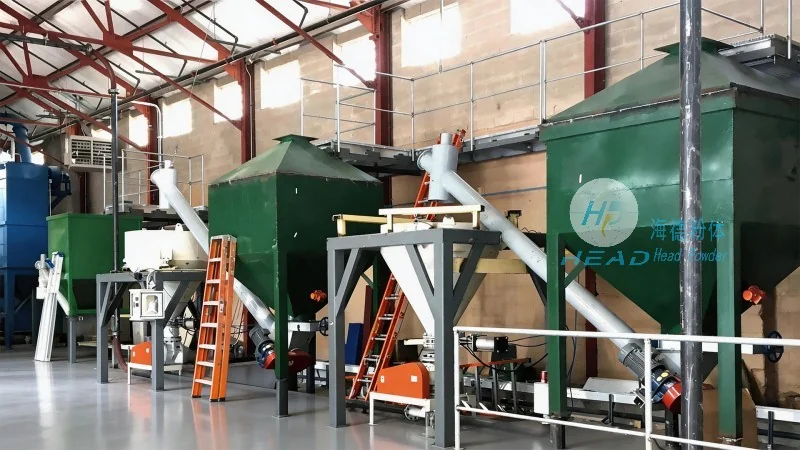
3. Conveying Pipeline
The pipeline is the main pathway for transporting the molybdenum concentrate. It is usually made of materials like stainless steel or plastic, chosen for their resistance to corrosion and abrasion from the concentrate. The design of the pipeline, including bends and straight sections, is critical to minimize pressure drop and ensure smooth material flow.
4. Separation and Collection Equipment
At the receiving end, separation equipment is used to separate the molybdenum concentrate from the air stream. This often involves cyclones or bag filters, which capture the concentrate and return it to the process while allowing the air to be discharged or recirculated. The collection equipment ensures that the material is safely and efficiently deposited into the target container.
5. Control and Monitoring Systems
Modern molybdenum concentrate pneumatic conveying systems are equipped with advanced control and monitoring systems. These systems include sensors for pressure, flow, and level, as well as control panels that allow operators to adjust parameters in real-time. This ensures optimal operation, early detection of issues, and enhanced safety.
6. Auxiliary Components
Additional components may include dust collectors, air filters, and safety valves. Dust collectors help in maintaining a clean environment by capturing any airborne particles, while air filters ensure the air quality remains high. Safety valves are installed to prevent overpressure in the system, protecting both the equipment and personnel.
The Importance of Integrated Components in Molybdenum Concentrate Handling
Each of these components plays a vital role in the overall performance of the molybdenum concentrate pneumatic conveying system. The integration and proper maintenance of these parts are essential for achieving high efficiency, low downtime, and consistent quality in molybdenum concentrate handling. At Shandong HeadPowder Engineering Co., Ltd., we leverage our expertise to design and implement customized solutions that incorporate all these components, tailored to the specific needs of our clients in the molybdenum processing industry.