

What is Metallurgical Coke Pneumatic Conveying? And What Are Its Design Principles?
Metallurgical coke, a critical raw material in the iron and steel industry, often requires efficient and reliable transport methods to move it from storage to processing units. Pneumatic conveying has emerged as a preferred solution for this application due to its ability to handle bulk materials like coke with minimal maintenance and operational complexity. This article explores the fundamentals of metallurgical coke pneumatic conveying systems, focusing on their design principles and operational effectiveness.
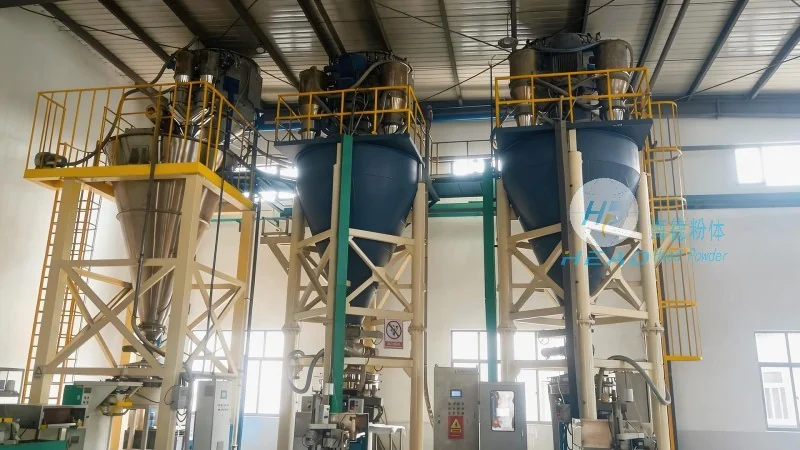
Introduction to Metallurgical Coke Pneumatic Conveying
Metallurgical coke is produced through the coking process of bituminous coal, resulting in a porous, high-carbon material essential for blast furnaces and other steelmaking operations. The transportation of coke from stockpiles or storage silos to the furnace or other processing equipment is a critical step in the production chain. Traditional methods, such as belt conveyors or bucket elevators, may face challenges like material degradation, dust generation, and operational inefficiencies. Pneumatic conveying offers a solution by using air to transport the coke particles through a pipeline system, reducing the need for mechanical contact and minimizing material handling issues.
HeadPowder Engineering: A Leading Provider of Pneumatic Conveying Solutions
Shandong HeadPowder Engineering Co., Ltd., commonly known as HeadPowder, is a prominent company specializing in the design, manufacturing, and installation of pneumatic conveying systems for various industrial applications, including metallurgical coke transport. With a strong focus on innovation and customer-centric solutions, HeadPowder has established itself as a trusted partner in the industry, delivering high-quality equipment that meets the stringent requirements of modern steel production.
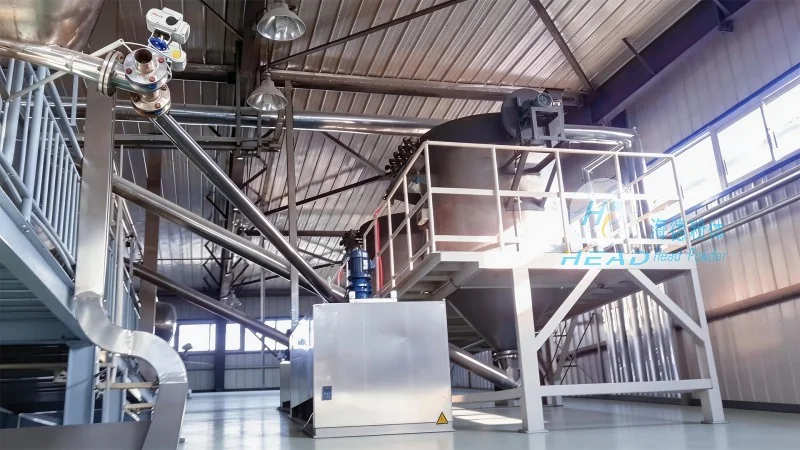
Key Components of a Metallurgical Coke Pneumatic Conveying System
A typical metallurgical coke pneumatic conveying system consists of several key components that work in tandem to ensure efficient material transport. These components include the material feed system, the conveying pipeline, the air supply system, and the control and monitoring equipment. The material feed system, often a hopper or a rotary valve, ensures a consistent and controlled flow of coke into the system. The conveying pipeline, made of durable materials like stainless steel or special alloys, is designed to withstand the abrasive nature of coke particles and the pressure of the conveying air. The air supply system, which may include a blower or a compressor, generates the necessary airflow to move the coke particles through the pipeline. Finally, the control and monitoring equipment, such as pressure sensors and flow meters, allows operators to monitor the system's performance and make adjustments as needed.
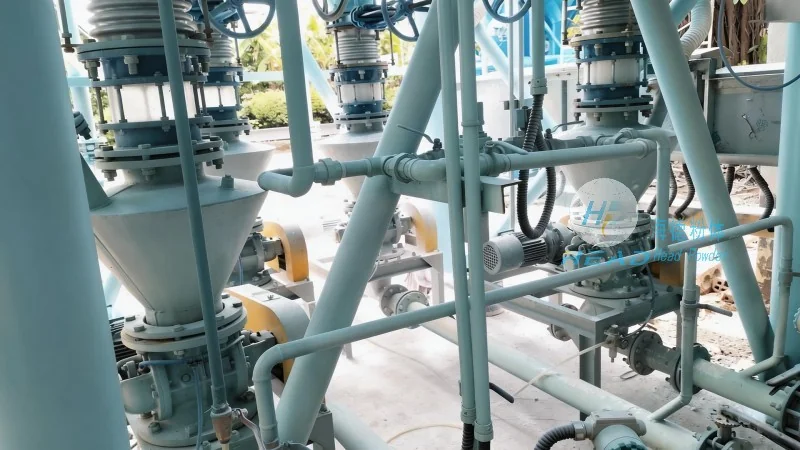
Design Principles for Metallurgical Coke Pneumatic Conveying
The design of a metallurgical coke pneumatic conveying system involves several critical principles to ensure optimal performance and longevity. One of the primary considerations is the selection of the appropriate conveying air velocity. The velocity must be high enough to prevent material settling or blockages but low enough to minimize wear on the pipeline and reduce energy consumption. The system's pressure and flow rate are also carefully calculated based on the material's properties, such as particle size, density, and moisture content. Additionally, the system's layout, including the number and placement of bends, elbows, and filters, is optimized to minimize pressure losses and ensure smooth material flow. The use of appropriate filtration systems is crucial to prevent coke dust from entering the air supply and causing operational issues or environmental concerns.
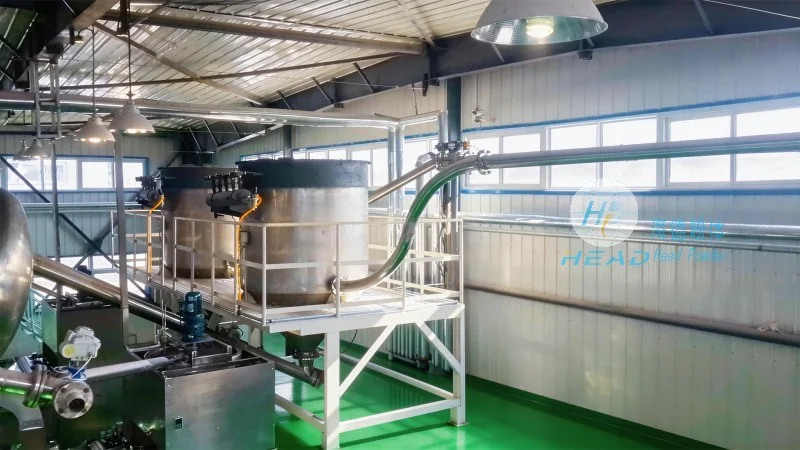
Advantages of Metallurgical Coke Pneumatic Conveying
Pneumatic conveying offers several advantages over traditional material handling methods for metallurgical coke. These include reduced material degradation, as the coke particles are not subjected to mechanical stress or abrasion during transport. The system also minimizes dust generation, which improves workplace safety and reduces the risk of environmental contamination. Additionally, pneumatic conveying systems can be designed to handle a wide range of particle sizes and moisture levels, making them versatile for different coke types. The automated nature of the system reduces labor requirements and improves operational efficiency, leading to lower overall costs for the steel production process.
Conclusion
Metallurgical coke pneumatic conveying is a highly effective and efficient method for transporting coke in the iron and steel industry. By understanding the design principles and components of such systems, manufacturers can optimize their material handling processes, improve operational efficiency, and reduce costs. Companies like Shandong HeadPowder Engineering Co., Ltd. play a vital role in providing the necessary expertise and equipment to implement these systems, ensuring that steel production remains reliable and sustainable. As the demand for high-quality steel continues to grow, the importance of efficient coke transport systems will only increase, making pneumatic conveying an essential technology in modern metallurgy.