

What is the Pneumatic Conveying of Manganese Silicate? And What Are Its Design Principles?
Understanding the pneumatic conveying of manganese silicate and its underlying design principles is crucial for industries that rely on efficient material handling solutions. This article delves into the technical aspects of this process, highlighting the key components, operational mechanisms, and engineering considerations that define effective manganese silicate pneumatic conveying systems.
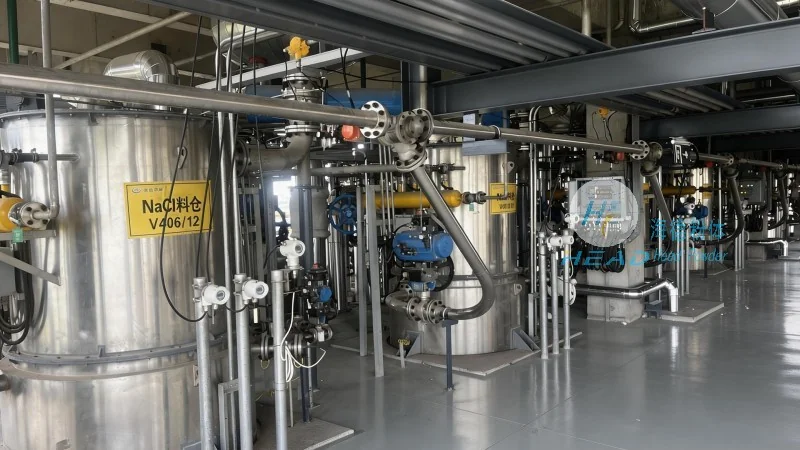
Introduction to Manganese Silicate Pneumatic Conveying
Manganese silicate, a compound widely used in various industrial applications such as battery production, steel manufacturing, and chemical processing, often requires specialized handling due to its physical properties. Pneumatic conveying offers a non-contact, low-cost method to transport this material from one location to another, minimizing wear and tear on equipment while ensuring consistent flow rates. The process involves the use of air or other gases to move the solid particles through a pipeline system, making it an ideal solution for handling fine or abrasive materials like manganese silicate.
About Shandong HeadPowder Engineering Co., Ltd.
Shandong HeadPowder Engineering Co., Ltd., commonly known as HeadPowder, is a leading provider of advanced material handling technologies. With a strong focus on innovation and customer-centric solutions, the company specializes in designing and manufacturing pneumatic conveying systems tailored to the unique needs of industrial clients. HeadPowder's expertise spans across various industries, ensuring that their products meet the highest standards of efficiency, reliability, and safety. Based in Shandong, China, the company leverages its local resources and global expertise to deliver cutting-edge solutions for material transport challenges.
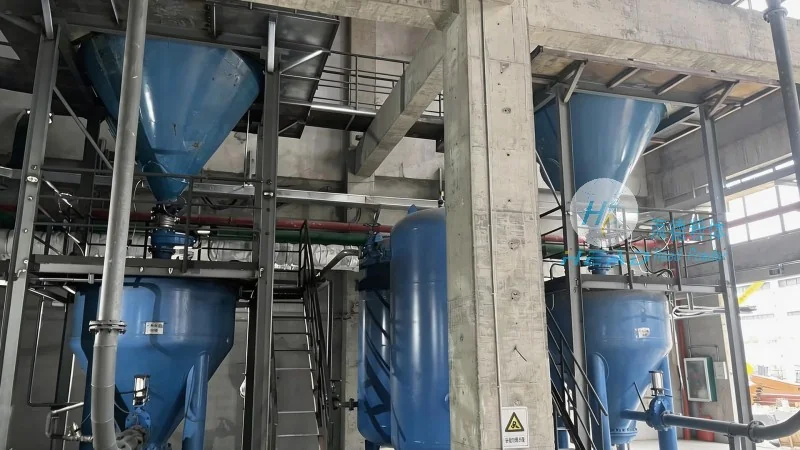
What is Manganese Silicate Pneumatic Conveying?
Pneumatic conveying of manganese silicate refers to the technique of transporting solid particles of manganese silicate using a pressurized or vacuum system. The process typically involves a hopper or feeder that feeds the material into a pipeline, where it is mixed with air or gas. The air flow then propels the particles through the system, delivering them to the destination point. There are two main types of pneumatic conveying systems: pressure systems, which use positive pressure to move material, and vacuum systems, which use negative pressure. The choice between these systems depends on factors such as the distance to be covered, the material's characteristics, and the desired flow rate. For instance, pressure systems are often preferred for short to medium distances, while vacuum systems are more suitable for longer distances or when the material needs to be transported from multiple sources to a central collection point.
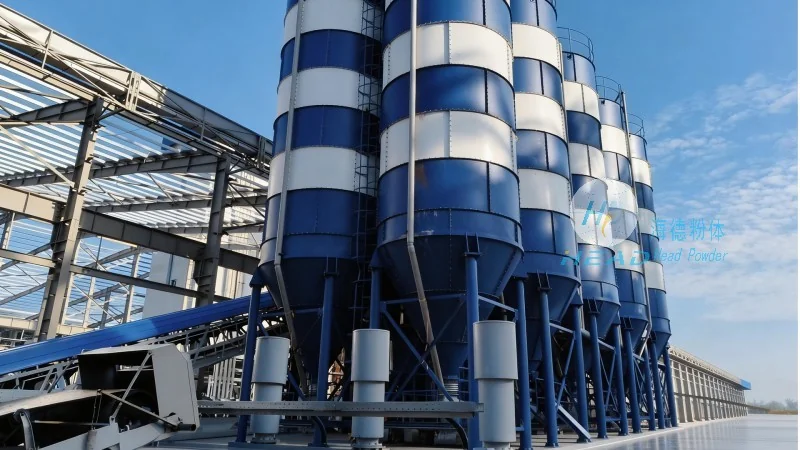
Key Components of a Manganese Silicate Pneumatic Conveying System
A typical pneumatic conveying system for manganese silicate consists of several critical components that work in tandem to ensure smooth operation. These include a material feeder, which controls the flow rate of the solid particles; a conveying line, which transports the material and air mixture; a separator, which separates the material from the air at the end of the line; and a dust collector, which captures any airborne particles to maintain environmental compliance. Each component plays a vital role in the overall efficiency and effectiveness of the system. For example, the feeder must be designed to handle the specific properties of manganese silicate, such as its fineness (often in the range of 100-200 mesh) and abrasiveness, to prevent blockages or wear. The conveying line's diameter and length are carefully calculated to maintain the appropriate air-to-material ratio, typically ranging from 5:1 to 10:1, ensuring optimal transport efficiency. The separator and dust collector are essential for maintaining air quality and preventing material loss, which is critical for both operational and regulatory reasons. Modern systems often incorporate advanced filtration technologies, such as bag filters or cartridge filters, to capture fine particles and meet environmental standards.
Design Principles for Efficient Manganese Silicate Pneumatic Conveying
The design of a pneumatic conveying system for manganese silicate is a complex process that requires careful consideration of several factors. The primary design principles aim to achieve high efficiency, low energy consumption, and minimal material degradation. One of the key principles is maintaining an optimal air-to-material ratio. This ratio is determined by the material's properties, such as its density (approximately 2.7 g/cm³ for manganese silicate), particle size distribution, and flowability. The air velocity within the pipeline must be sufficient to keep the particles suspended but not so high as to cause excessive wear or energy loss. Another critical principle is the selection of appropriate equipment materials. Since manganese silicate can be abrasive, the components in contact with the material, such as the feeder, conveying line, and separator, must be made of durable materials like stainless steel (e.g., 316L) or special alloys (e.g., Hastelloy) to withstand wear and tear. The pipeline's internal surface should be smooth to reduce friction and pressure drops. Additionally, the system's layout and configuration are designed to minimize pressure drops and energy losses. This involves optimizing the pipeline's diameter, length, and bends, as well as using efficient air compressors or vacuum pumps with high volumetric efficiency. The design also considers the need for proper maintenance and monitoring, including sensors to detect blockages or pressure changes, ensuring that the system operates within safe and efficient parameters. Computational fluid dynamics (CFD) simulations are often used in the design phase to model the flow and identify potential issues before the system is built.