

What is Carbide Slag Pneumatic Conveying? And What Are Its Design Principles?
Carbide slag, a byproduct of the calcium carbide production process, poses significant challenges in handling and disposal due to its abrasive nature and potential environmental hazards. Pneumatic conveying has emerged as an efficient and effective method for transporting this material, offering a solution that minimizes labor costs and reduces the risk of dust exposure. HeadPowder, a leading engineering company based in Shandong, China, specializes in designing and implementing advanced pneumatic conveying systems tailored to handle such challenging materials. This article explores the fundamentals of carbide slag pneumatic conveying and delves into the core design principles that underpin such systems.
Understanding Carbide Slag Pneumatic Conveying
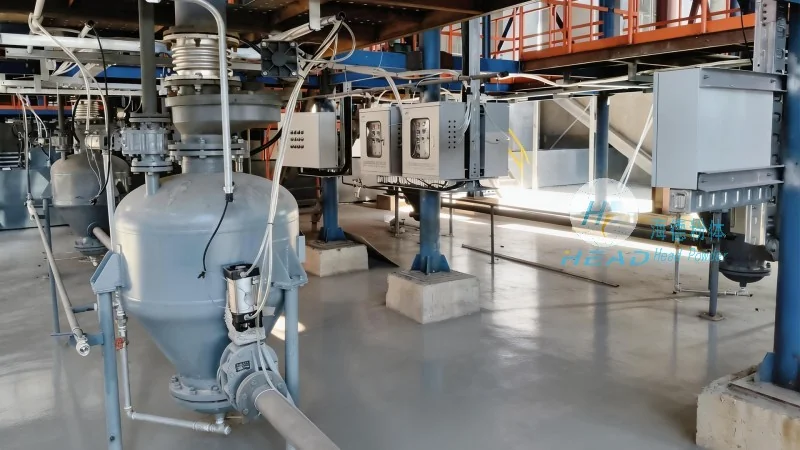
Carbide slag pneumatic conveying refers to the process of transporting carbide slag particles through a pipeline using a stream of air or other gas. This method is particularly advantageous for handling fine, abrasive materials like carbide slag, which are difficult to move using traditional mechanical methods such as belt conveyors or screw conveyors. The primary goal of pneumatic conveying is to achieve a reliable, low-maintenance system that can handle the unique characteristics of carbide slag, including its high density, irregular particle shapes, and potential for generating dust during transport.
The Core Design Principles of Carbide Slag Pneumatic Conveying Systems
The design of a carbide slag pneumatic conveying system involves several critical principles that ensure optimal performance and longevity. These principles are tailored to address the specific challenges posed by carbide slag, such as its abrasive properties and the need for efficient material transport without excessive energy consumption. The key design considerations include:
1. Material Handling and Particle Characteristics
Carbide slag consists of calcium carbide residue, often mixed with other byproducts, resulting in a material with high hardness and sharp edges. This makes it highly abrasive to equipment components like pipes, valves, and pumps. Therefore, the design must incorporate materials that can withstand this wear, such as high-strength steel or specialized alloys. Additionally, the particle size distribution of carbide slag is crucial; finer particles require higher air velocities to maintain suspension, while larger particles may need higher pressure differentials to ensure smooth transport. The system must be engineered to handle these variations without causing blockages or excessive energy loss.
2. Airflow and Pressure Differentiation
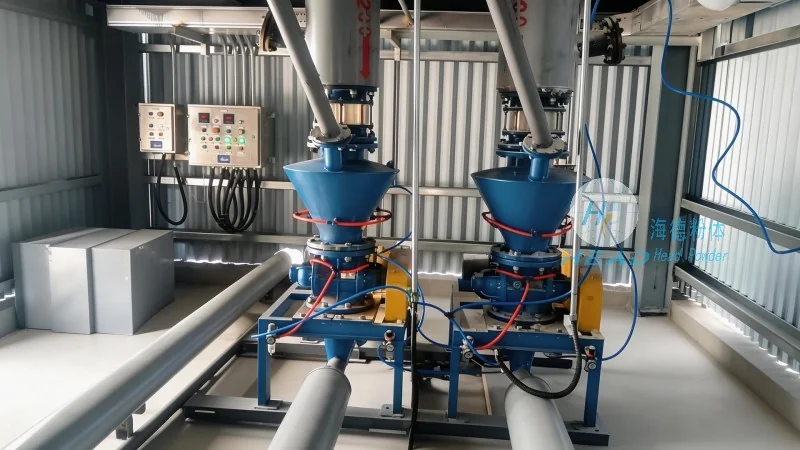
Airflow management is a central aspect of pneumatic conveying design. The system typically operates under either positive or negative pressure, depending on the application. Positive pressure systems push the material through the pipeline using compressed air, while negative pressure systems pull the material using a vacuum. For carbide slag, positive pressure is often preferred as it provides better control over the material flow and reduces the risk of dust leakage. The design must calculate the required air velocity and pressure drop to achieve efficient transport. This involves determining the appropriate air-to-material ratio, which balances the need for sufficient air to keep particles suspended against the energy efficiency of the system. Properly designed pressure differentials ensure that the material moves smoothly without excessive wear on the pipeline or equipment.
3. Equipment Selection and System Integration
The selection of appropriate equipment is critical to the success of a carbide slag pneumatic conveying system. Key components include the feeder, which introduces the material into the pipeline, the conveying line, and the receiver, which collects the material at the destination. The feeder must be capable of handling abrasive materials without clogging or excessive wear. Common types include rotary valves and screw feeders, which are designed to handle fine, abrasive powders. The conveying line itself must be constructed from durable materials, such as stainless steel or lined pipes, to resist corrosion and abrasion from the slag particles. The receiver, typically a hopper or silo, must be designed to accommodate the material's characteristics, preventing dust accumulation and ensuring smooth discharge. Integration of these components into a cohesive system requires careful engineering to ensure that each part operates in harmony, minimizing points of failure and maximizing efficiency.
4. Control and Monitoring Systems
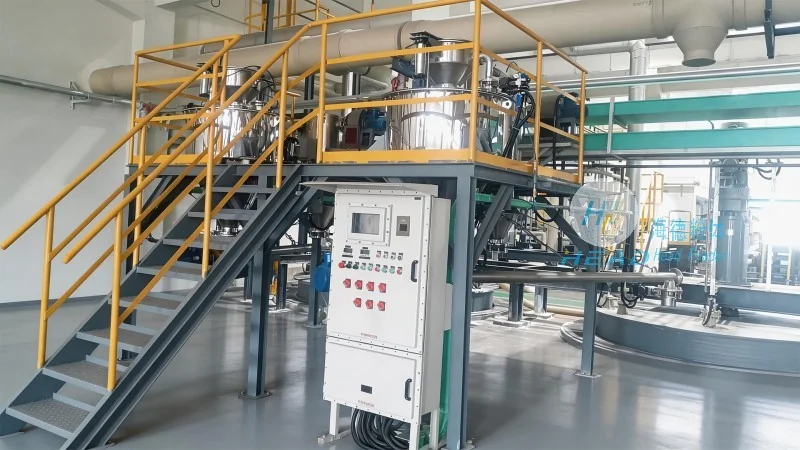
Modern carbide slag pneumatic conveying systems incorporate advanced control and monitoring technologies to ensure optimal performance and safety. These systems may include sensors to monitor air pressure, flow rates, and material levels, as well as automated controls to adjust the system parameters in real-time. For example, if the material flow rate changes due to variations in the feed, the system can automatically adjust the air pressure or velocity to maintain consistent transport. This not only improves efficiency but also reduces the risk of system failures or material blockages. Additionally, monitoring systems can detect abnormal conditions, such as excessive pressure drops or dust leaks, allowing for prompt maintenance and preventing equipment damage. The integration of such technologies enhances the reliability and longevity of the system, making it a cost-effective solution for handling carbide slag.
Benefits of Carbide Slag Pneumatic Conveying
Implementing a pneumatic conveying system for carbide slag offers several significant benefits. Firstly, it reduces labor costs by automating the material transport process, eliminating the need for manual handling of abrasive and potentially hazardous materials. This not only improves safety but also increases operational efficiency. Secondly, pneumatic conveying minimizes dust exposure, which is a major health hazard associated with handling fine powders like carbide slag. By containing the material within a closed system, the risk of dust inhalation and environmental contamination is significantly reduced. Thirdly, the system is highly flexible, allowing for easy integration into existing production lines and the ability to transport materials over long distances without the need for multiple transfer points. This flexibility makes it suitable for various industrial applications, from small-scale operations to large-scale manufacturing facilities. Finally, the low maintenance requirements of pneumatic conveying systems contribute to long-term cost savings, as they require less frequent repairs and replacements compared to traditional mechanical conveyors.
Application Scenarios
Carbide slag pneumatic conveying systems are widely used in various industrial settings where the handling of abrasive materials is required. Common applications include the transportation of carbide slag from the production site to disposal or recycling facilities, as well as the transfer of slag within a manufacturing plant for further processing. In the chemical industry, for example, carbide slag may be transported to a waste treatment facility for safe disposal, where the pneumatic system ensures that the material is handled efficiently and without environmental impact. In manufacturing plants, the system may be used to move slag from a reactor to a storage silo, where it can be further processed or disposed of. The versatility of pneumatic conveying makes it suitable for a range of applications, from small-scale operations to large-scale industrial processes.
Conclusion
Carbide slag pneumatic conveying is a sophisticated and effective method for handling the challenging material known as carbide slag. By adhering to the core design principles of material handling, airflow management, equipment selection, and control systems, engineers can develop a reliable and efficient system that addresses the unique challenges posed by this abrasive byproduct. The benefits of such systems, including reduced labor costs, improved safety, and environmental protection, make them a preferred choice for industries dealing with carbide slag. As technology advances, the integration of advanced control and monitoring systems further enhances the performance and longevity of these systems, ensuring their continued relevance in modern industrial applications.