

What is Cotton Pneumatic Conveying? What Are Its Design Principles?
Cotton pneumatic conveying systems are integral to modern cotton processing and material handling operations. This article delves into the core concepts of cotton pneumatic conveying, examining its operational principles and the key design elements that ensure efficient material transport. Understanding these aspects is crucial for industries seeking reliable and effective solutions for cotton movement within their production facilities.
Introduction to Cotton Pneumatic Conveying
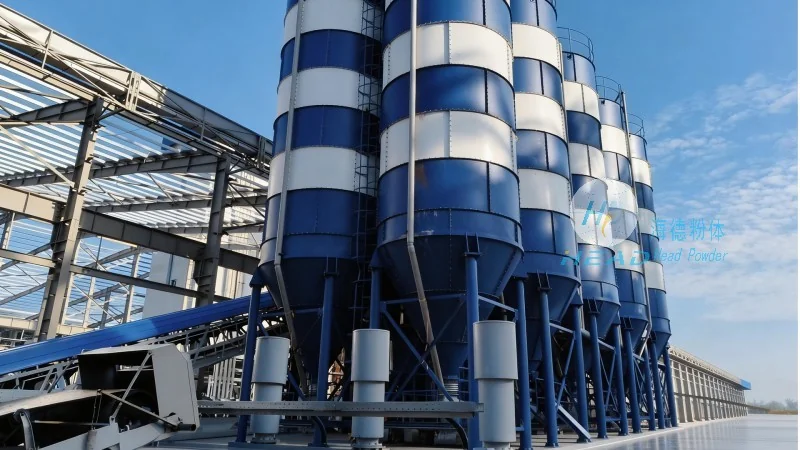
Cotton pneumatic conveying is a technology that utilizes air or gas as the primary medium to transport cotton and other granular materials through a pipeline system. Unlike traditional mechanical conveying methods, which rely on mechanical components like belts, screws, or buckets, pneumatic systems leverage the force of compressed air to move materials. This approach is particularly advantageous for cotton processing due to its ability to handle delicate fibers without causing damage or degradation. The system typically involves a blower or compressor to generate air pressure, a hopper or feeder to introduce cotton into the pipeline, and a network of pipes to transport the material to its destination. The design of these systems is tailored to the specific characteristics of cotton, such as its low density and fibrous nature, ensuring optimal performance and material integrity.
Core Design Principles of Cotton Pneumatic Conveying Systems
The design of a cotton pneumatic conveying system is governed by several fundamental principles that ensure efficient and reliable operation. The first principle is the selection of the appropriate air source, which must generate sufficient pressure to overcome the resistance of the pipeline and the material being conveyed. Common air sources include centrifugal blowers or positive displacement compressors, chosen based on the system's capacity and pressure requirements. The second principle involves the material feed system, which must provide a consistent and controlled flow of cotton into the pipeline. This is typically achieved through a hopper or feeder that maintains a stable material level and uses a valve or gate to regulate the feed rate. The third principle is the pipeline network, which is designed to minimize pressure losses and prevent blockages. The pipeline diameter, length, and layout (including horizontal and vertical sections) are critical factors that affect system performance. The fourth principle is the inclusion of control mechanisms, such as pressure sensors, flow meters, and valves, to monitor and adjust system parameters in real-time. These controls help maintain optimal air and material flow, prevent over-pressurization, and ensure the system operates within safe and efficient parameters.
Key Components and Their Roles in Cotton Pneumatic Conveying
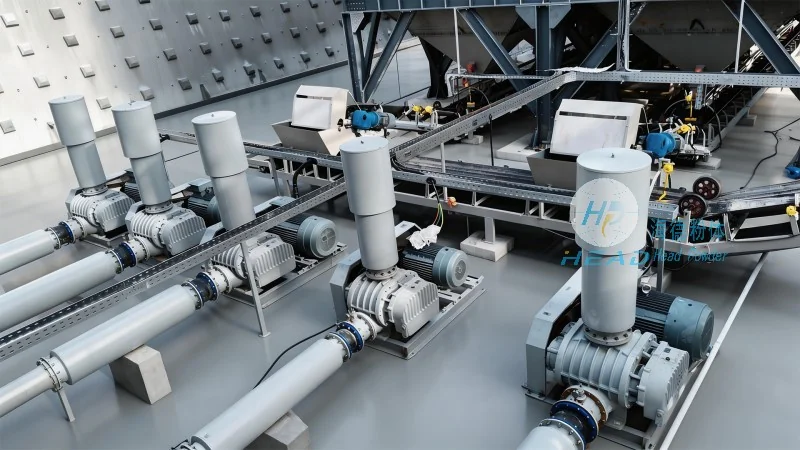
A cotton pneumatic conveying system comprises several key components, each playing a vital role in the overall operation. The blower or compressor serves as the power source, generating the necessary air pressure to move the cotton. The hopper or feeder acts as the material storage and feeding unit, ensuring a steady supply of cotton to the system. The pipeline network, constructed from materials like stainless steel or corrosion-resistant plastic, transports the cotton from the feed point to the discharge point. The discharge unit, often a cyclone separator or a filter, separates the cotton from the air and collects it in a container or processing unit. Control valves, such as air control valves or material flow control valves, regulate the air and material flow to maintain system stability. Sensors, including pressure sensors and flow sensors, monitor system performance and provide feedback for control adjustments. These components work in concert to ensure the system operates efficiently and reliably, minimizing downtime and maximizing material throughput.
Advantages of Cotton Pneumatic Conveying Over Traditional Methods
Compared to traditional mechanical conveying systems, cotton pneumatic conveying offers several distinct advantages that make it a preferred choice for many cotton processing facilities. One of the most significant benefits is the ability to handle delicate cotton fibers without causing damage or breakage. Mechanical systems often use components like belts or screws that can crush or tear the fibers, reducing the quality of the final product. Pneumatic systems, by contrast, use air as the conveying medium, which is gentle on the fibers and preserves their integrity. Another advantage is the flexibility and scalability of pneumatic systems. They can be easily integrated into existing production lines and adapted to accommodate changes in production volume or layout. The system can transport materials over long distances and through complex layouts without the need for multiple transfer points, which simplifies the overall process. Additionally, pneumatic conveying systems are more hygienic and less prone to contamination compared to open mechanical systems. The closed pipeline design prevents exposure to dust, moisture, and other environmental factors, ensuring the cotton remains clean and free from contaminants. This is particularly important in the cotton industry, where maintaining material purity is critical for downstream processing and product quality.
Applications in the Cotton Industry
Cotton pneumatic conveying systems are widely used in various applications across the cotton industry. They are commonly employed in cotton ginning plants to transport raw cotton from storage bins to processing machines. The systems can efficiently move cotton from the storage area to the cleaning and baling stages, ensuring a smooth flow of material through the production line. In textile mills, pneumatic conveying is used to transport cotton from the baling stage to the spinning and weaving departments. The systems are also utilized in cotton storage facilities to move cotton between storage silos and processing units, facilitating inventory management and material availability. The versatility of pneumatic conveying makes it suitable for a wide range of applications, from small-scale operations to large industrial plants. Whether it's moving cotton from storage to processing or between different stages of production, pneumatic systems provide a reliable and efficient solution for material handling.

Design Considerations for Optimal Performance
When designing and implementing a cotton pneumatic conveying system, several factors must be carefully considered to ensure optimal performance and efficiency. The first consideration is the material characteristics, such as the size, shape, and moisture content of the cotton. These factors directly impact the system's design, including the air velocity required to move the material and the appropriate pipeline diameter. For example, wet or high-moisture cotton may require higher air velocities to prevent blockages, while dry cotton can be conveyed at lower velocities. The second consideration is the system's capacity, which must be matched to the production requirements of the facility. The system's capacity is determined by the blower's air volume and pressure, the pipeline diameter, and the number of transfer points. It is essential to design the system to handle the maximum expected material flow without causing excessive pressure losses or system strain. The third consideration is the system's layout and integration with existing equipment. The pipeline layout should be designed to minimize the number of bends and vertical lifts, as these can increase pressure losses and increase the risk of blockages. The system should also be integrated with other equipment, such as feeders and discharge units, to ensure smooth operation and minimize material handling steps. The fourth consideration is the maintenance requirements of the system. Pneumatic systems require regular maintenance to ensure optimal performance, including cleaning of the pipeline and components, checking for wear and tear, and replacing worn parts. Proper maintenance is crucial to prevent system failures and ensure continuous operation.
Conclusion
Cotton pneumatic conveying is a highly effective and efficient technology for transporting cotton and other materials in the cotton industry. Its design principles, which emphasize the use of air as the conveying medium and the integration of key components to ensure optimal performance, make it a reliable solution for material handling. The advantages of this technology, including the ability to handle delicate fibers, flexibility, reduced contamination, and improved material quality, make it a preferred choice for many cotton processing facilities. As the cotton industry continues to evolve and demand higher efficiency and quality, the use of pneumatic conveying systems will likely increase. These systems provide a sustainable and cost-effective solution for material handling, contributing to the overall productivity and success of cotton processing operations. By understanding the design principles and key components of cotton pneumatic conveying, industries can make informed decisions about implementing this technology and optimizing their material handling processes.