

What is High-Calcium Pneumatic Conveying? Understanding Its Design Principles
High-calcium pneumatic conveying is a specialized method used in material handling and processing industries, particularly for transporting calcium-rich powders. This technology involves the use of air or other gases to move bulk materials through a pipeline system. The process is critical in applications where traditional mechanical conveying may not be suitable due to the nature of the material, such as high dust content, abrasive properties, or sensitivity to moisture. As a leading provider in this field, Shandong HeadPowder Engineering Co., Ltd. specializes in designing and implementing efficient high-calcium pneumatic conveying systems tailored to the unique requirements of various industrial sectors.
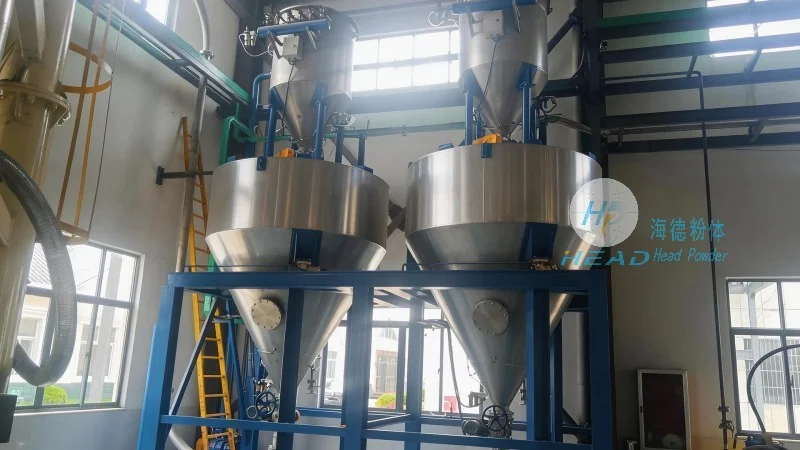
Key Components and Working Principle of High-Calcium Pneumatic Conveying Systems
At the core of high-calcium pneumatic conveying systems are several key components that work in tandem to ensure effective material transport. The primary elements include a material feed hopper, a conveying line (often made of corrosion-resistant materials suitable for calcium compounds), a blower or air compressor to generate the necessary airflow, and a receiver or discharge unit where the material is collected. The system operates by first loading the calcium-rich powder into the feed hopper. The blower then creates a low-pressure or high-pressure airflow, which draws the powder particles into the conveying line. The air-particle mixture travels through the pipeline, maintaining a consistent flow rate to prevent blockages or degradation of the material. The receiver at the end of the line collects the material, often with a dust collection system to manage any airborne particles and ensure environmental compliance.
Design Principles for High-Calcium Pneumatic Conveying
The design of high-calcium pneumatic conveying systems requires careful consideration of several factors to ensure optimal performance, efficiency, and longevity. One of the most critical aspects is the selection of appropriate materials for the conveying components. Since calcium compounds can be abrasive and corrosive, components such as hoppers, pipelines, and valves are typically made from stainless steel or other corrosion-resistant alloys. This choice minimizes wear and tear and prevents contamination of the material. Additionally, the system design must account for the specific properties of the high-calcium powder, including its density, flowability, and moisture content. These factors influence the required air velocity and pressure to maintain a stable conveying process. For example, powders with lower flowability may need higher air velocities to prevent clogging, while those with higher moisture content might require additional drying or moisture control measures to prevent clumping.
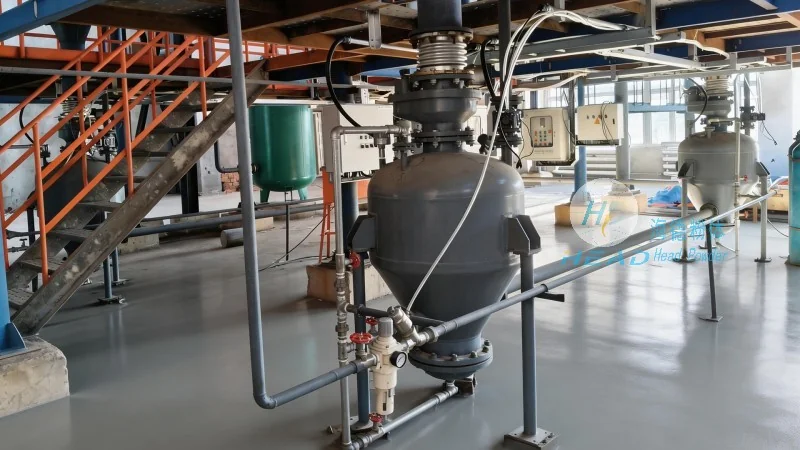
Applications and Benefits of High-Calcium Pneumatic Conveying
High-calcium pneumatic conveying is widely used in industries that handle calcium-based materials, such as the production of cement, lime, and calcium carbonate. In these applications, the technology offers several advantages over traditional mechanical conveying methods. One of the key benefits is the ability to transport materials over long distances without the need for multiple transfer points or complex infrastructure. This reduces installation costs and maintenance requirements. Additionally, pneumatic conveying systems can handle materials with high dust content, as the enclosed pipeline prevents dust from escaping into the environment, improving workplace safety and compliance with environmental regulations. The system also allows for precise control over the material flow rate, enabling consistent production processes and reducing waste. Furthermore, the absence of moving parts in the conveying line minimizes the risk of material contamination and mechanical failure, leading to higher system reliability and lower downtime.
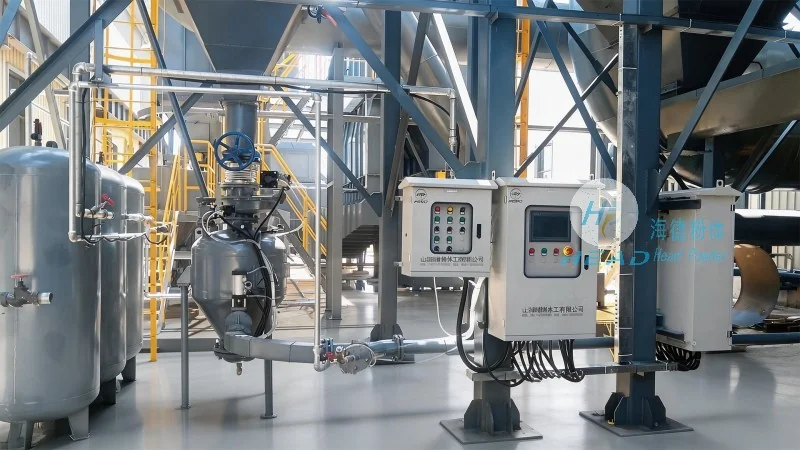
Customization and Integration with Industrial Processes
Shandong HeadPowder Engineering Co., Ltd. specializes in customizing high-calcium pneumatic conveying systems to meet the specific needs of individual industrial applications. The company’s engineers work closely with clients to assess their material handling requirements, process flow, and operational constraints. Based on this analysis, they design systems that integrate seamlessly with existing production lines or can be installed as standalone solutions. Customization may include adjustments to the conveying line diameter, the type of blower or air compressor, and the configuration of feed and discharge units. The goal is to optimize the system for maximum efficiency and minimal energy consumption while ensuring compliance with industry standards and safety regulations. For example, in cement production facilities, the high-calcium pneumatic conveying system may be integrated with the raw material handling process, feeding the calcium-rich powder directly into the kiln or storage silos. This integration streamlines the production workflow and enhances overall operational efficiency.
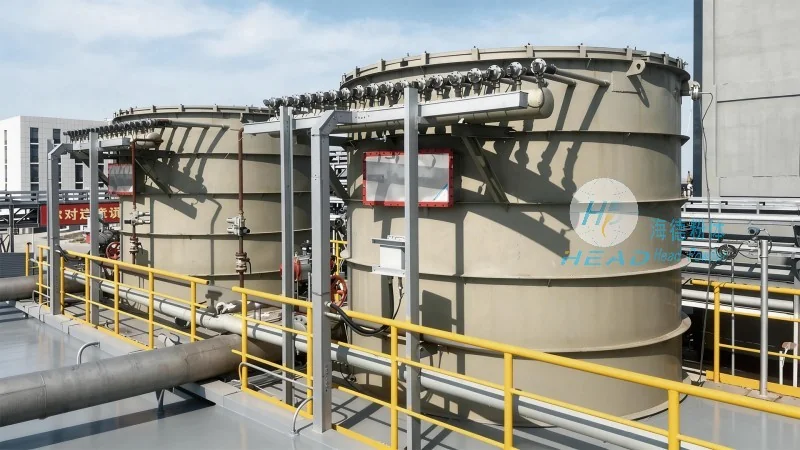
Maintenance and Operational Considerations
Proper maintenance is essential to ensure the long-term performance and reliability of high-calcium pneumatic conveying systems. Regular inspections and cleaning of the conveying line and components are necessary to prevent the buildup of material residue, which can lead to blockages or reduced airflow efficiency. The blower and air compressor should be checked regularly for wear and tear, and lubricated as per manufacturer recommendations. Additionally, the dust collection system, if present, must be maintained to ensure it operates effectively and does not become clogged with calcium particles. Operational considerations also include monitoring the air pressure and flow rate during operation to detect any anomalies that may indicate system issues. By following a regular maintenance schedule and adhering to operational guidelines, users can maximize the lifespan of their high-calcium pneumatic conveying system and minimize downtime.
Conclusion
High-calcium pneumatic conveying is a sophisticated and efficient technology that plays a vital role in the handling of calcium-rich materials across various industrial sectors. The design principles and components of these systems are tailored to address the unique challenges posed by such materials, ensuring reliable and safe material transport. Companies like Shandong HeadPowder Engineering Co., Ltd. contribute significantly to the advancement of this technology by providing customized solutions that meet the specific needs of their clients. With proper design, maintenance, and operation, high-calcium pneumatic conveying systems offer a cost-effective and environmentally friendly alternative to traditional material handling methods, supporting the productivity and sustainability of modern industrial operations.