

What is Rice Bran Pneumatic Conveying? And What Are Its Design Principles?
Rice bran, a byproduct of rice milling, is rich in nutrients and widely used in various industries. Efficient handling and transportation of rice bran are crucial for maximizing its value and ensuring smooth production processes. Pneumatic conveying, a technology that uses air to transport bulk materials, has become a popular solution for rice bran handling. This article explores the concept of rice bran pneumatic conveying and delves into its design principles, highlighting the expertise of Shandong HeadPowder Engineering Co., Ltd. (commonly known as HeadPowder) in this field.
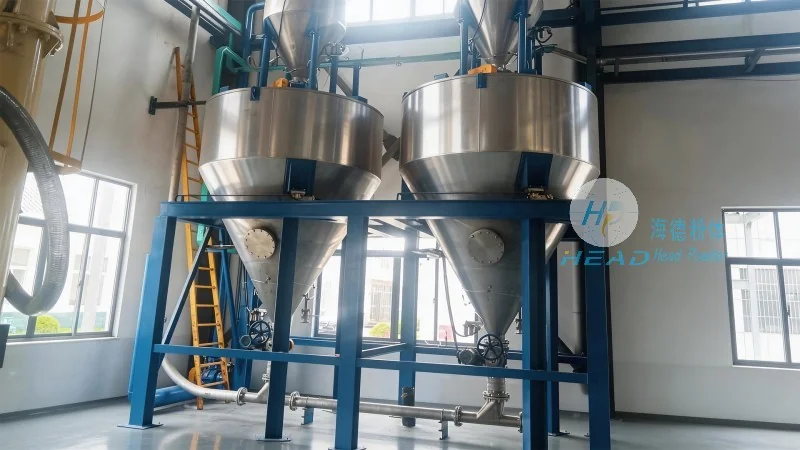
What is Rice Bran Pneumatic Conveying?
Pneumatic conveying, also known as air conveying, is a method of transporting bulk materials like rice bran through a pipeline using compressed air. In the context of rice bran, this technology involves creating a flow of air within a sealed system to move the bran from one location to another. Unlike traditional mechanical conveying systems (such as belt conveyors or screw conveyors), pneumatic conveying offers advantages such as reduced dust, lower maintenance costs, and the ability to handle materials in a hygienic environment. This makes it particularly suitable for food processing industries where product purity and safety are paramount.
The Core Components of a Pneumatic Conveying System
A typical rice bran pneumatic conveying system consists of several key components that work together to ensure efficient material transport. These components include the material feed hopper, the air compressor or blower, the conveying pipeline, the control valves, and the discharge unit. The feed hopper is responsible for storing and feeding the rice bran into the system, while the air compressor generates the necessary pressure to move the material through the pipeline. The conveying pipeline, often made of stainless steel or other corrosion-resistant materials, ensures the bran is transported without contamination. Control valves are used to regulate the air flow and pressure, allowing for precise control over the conveying process. Finally, the discharge unit collects the rice bran at the destination and discharges it into a storage or processing unit.
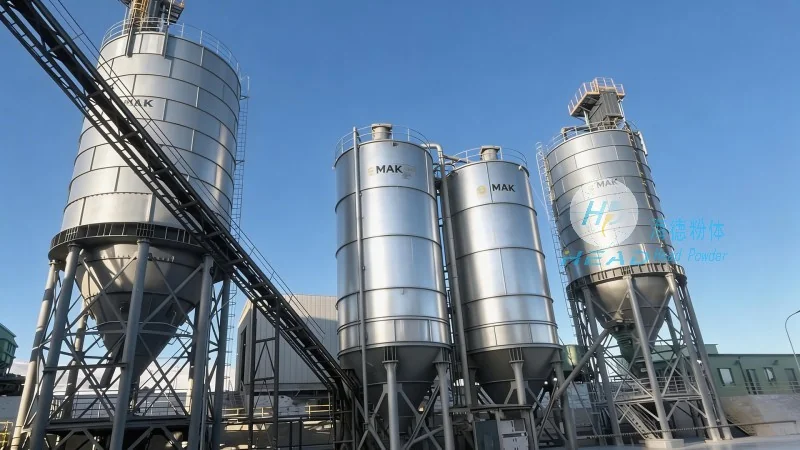
Design Principles for Optimal Rice Bran Pneumatic Conveying
The design of a rice bran pneumatic conveying system must consider several factors to ensure optimal performance, efficiency, and reliability. One of the primary design principles is the selection of the appropriate air velocity. The air velocity must be high enough to lift and transport the rice bran particles but not so high as to cause excessive wear on the system components or generate too much dust. The specific air velocity depends on the particle size, density, and moisture content of the rice bran, as well as the length and diameter of the conveying pipeline. Another critical design principle is the system's pressure drop. The pressure drop is the reduction in air pressure as it moves through the pipeline and components. A well-designed system minimizes pressure drop to reduce energy consumption and ensure consistent material flow. Additionally, the system must be designed to handle variations in material feed rate and particle characteristics, ensuring stable operation under different conditions. Shandong HeadPowder Engineering Co., Ltd. specializes in designing customized pneumatic conveying systems tailored to the specific needs of rice bran processing facilities, ensuring that each component is optimized for maximum efficiency and minimal downtime.
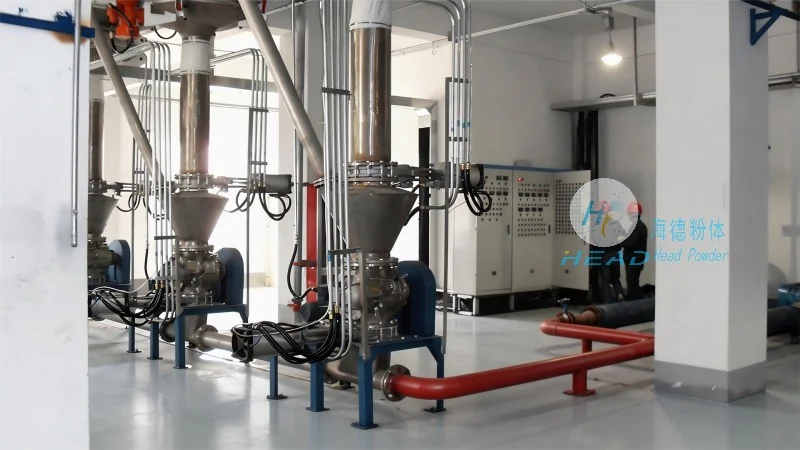
Advantages of Pneumatic Conveying for Rice Bran Handling
Compared to traditional mechanical conveying methods, pneumatic conveying offers several advantages that make it an ideal choice for rice bran handling. First, it provides a dust-free environment, which is crucial for maintaining product quality and safety in food processing applications. The sealed system prevents the rice bran from coming into contact with external contaminants, reducing the risk of spoilage or contamination. Second, pneumatic conveying systems are more flexible and adaptable, allowing for changes in the conveying route or destination without major modifications. This flexibility is particularly beneficial in facilities where production processes may change over time. Third, the system is relatively low-maintenance, as it has fewer moving parts compared to mechanical conveyors. This reduces the need for frequent repairs and maintenance, leading to lower operational costs. Finally, pneumatic conveying can handle a wide range of material characteristics, including different particle sizes, moisture contents, and bulk densities, making it suitable for various rice bran processing applications.
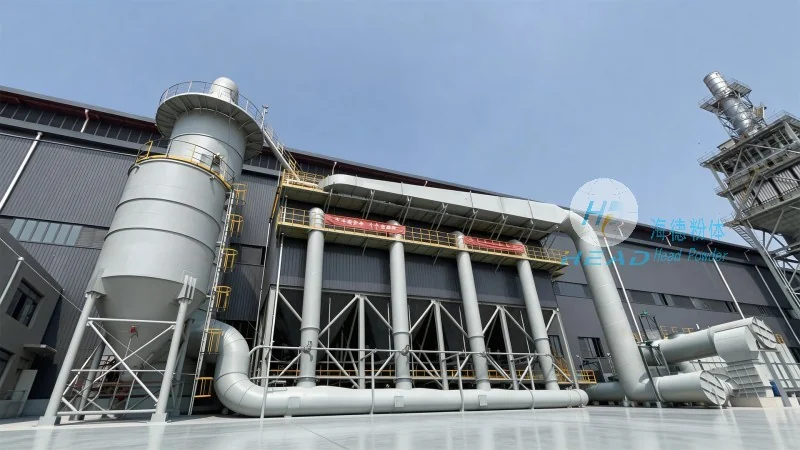
Applications of Rice Bran Pneumatic Conveying
Rice bran pneumatic conveying is widely used in various industries that process rice bran. In the food industry, it is used to transport rice bran to processing units where it is converted into products such as rice bran oil, rice bran protein, and rice bran extract. The technology is also used in the animal feed industry, where rice bran is mixed with other ingredients to create high-quality feed for livestock. Additionally, rice bran pneumatic conveying is used in the biofuel industry, where the bran is processed into bioethanol or biogas. The versatility of the technology makes it suitable for a wide range of applications, from small-scale processing facilities to large industrial plants.
Conclusion
Rice bran pneumatic conveying is a highly effective and efficient method for handling and transporting rice bran. By understanding the design principles and components of a pneumatic conveying system, facilities can optimize their operations and maximize the value of their rice bran. Shandong HeadPowder Engineering Co., Ltd. has extensive experience in designing and manufacturing pneumatic conveying systems tailored to the specific needs of rice bran processing facilities. With their expertise, facilities can ensure that their rice bran handling processes are efficient, reliable, and cost-effective. As the demand for rice bran products continues to grow, the importance of efficient pneumatic conveying systems will only increase, making it a critical component of modern rice bran processing operations.