

Common Sorghum Conveying Methods: An Overview of Pneumatic Conveying Systems
When it comes to handling sorghum efficiently, selecting the right conveying method is crucial for maintaining product quality and operational efficiency. This article explores common sorghum conveying approaches, with a focus on the advantages of pneumatic conveying systems. As a leading provider in the field, Shandong HeadPowder Engineering Co., Ltd. specializes in innovative solutions tailored to the unique demands of sorghum processing.
Traditional Conveying Methods for Sorghum
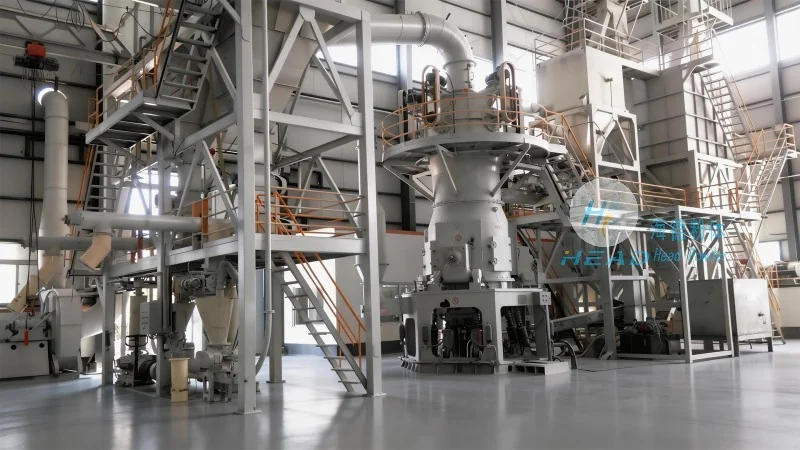
Historically, sorghum has been transported using gravity-fed systems, bucket elevators, and belt conveyors. These methods have been reliable for many years but often present challenges such as product degradation, high maintenance costs, and limited flexibility. Gravity-fed systems rely on the natural slope of the material to move it, which can be inefficient for large volumes or when dealing with fine sorghum particles. Bucket elevators, while effective for vertical transport, may cause breakage or dust generation during operation. Belt conveyors are versatile but require regular cleaning and can be prone to material buildup, especially with sticky sorghum varieties.
Pneumatic Conveying: The Modern Solution
Modern processing facilities increasingly turn to pneumatic conveying as the preferred method for sorghum handling. Pneumatic systems use air pressure to transport material through a closed pipeline, offering several key benefits. First, they provide gentle handling, minimizing breakage and preserving the integrity of the sorghum kernels. This is particularly important for high-value or specialty sorghum varieties where product quality directly impacts market value. Second, pneumatic conveyors offer high throughput rates, allowing for continuous operation and increased productivity. The ability to transport sorghum over long distances without intermediate storage points reduces handling steps and potential contamination risks. Third, these systems are highly flexible, enabling easy integration with existing processing lines and the ability to route material to multiple destinations with minimal adjustments.
Key Components of a Pneumatic Conveying System
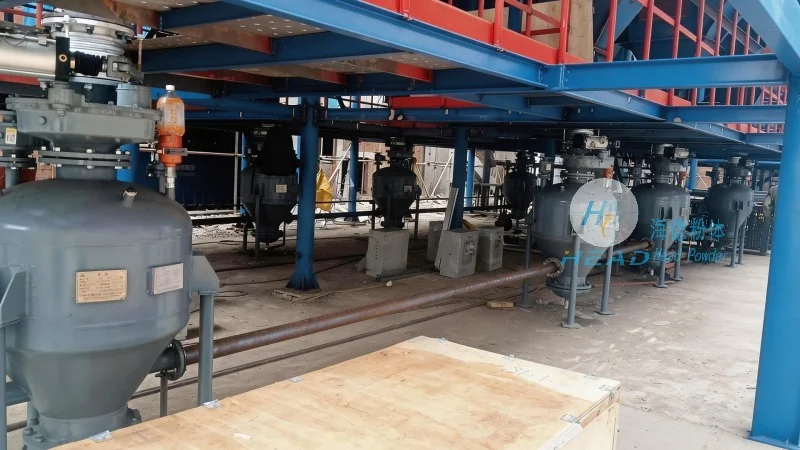
A typical pneumatic conveying system for sorghum consists of several essential components. The primary elements include a hopper or feeder to supply the material, a compressor or blower to generate the air pressure, a pipeline network to transport the material, and a receiver or discharge point where the sorghum is collected. The hopper is designed to maintain a consistent flow of sorghum, preventing clogging and ensuring smooth operation. The compressor or blower provides the necessary air pressure, with options ranging from positive displacement blowers to high-pressure compressors depending on the system's capacity and distance requirements. The pipeline network is constructed from materials like stainless steel or food-grade plastic to prevent corrosion and contamination, with appropriate fittings and valves to control the flow direction and pressure. The receiver is typically a hopper or silo that collects the conveyed sorghum, often equipped with level sensors and discharge mechanisms to manage the material efficiently.
Advantages of Pneumatic Conveying for Sorghum
Compared to traditional methods, pneumatic conveying offers distinct advantages that make it the preferred choice for many sorghum processors. The gentle handling minimizes kernel breakage, which is critical for maintaining the nutritional value and marketability of the product. This is especially beneficial for sorghum used in food applications, where intact kernels are preferred. The high throughput rates allow for continuous production, reducing downtime and increasing overall output. Additionally, the enclosed system prevents dust and contamination, ensuring compliance with food safety regulations. Pneumatic systems also require less floor space compared to belt conveyors or bucket elevators, making them ideal for facilities with limited room. The flexibility to route material to multiple destinations without complex reconfiguration further enhances operational efficiency.
Application Examples in Sorghum Processing
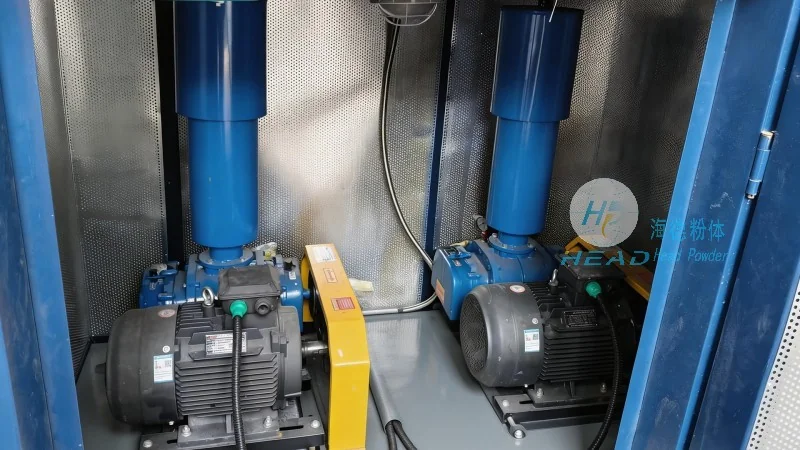
Pneumatic conveying systems are widely used in various stages of sorghum processing. In grain handling facilities, they efficiently transport sorghum from storage silos to processing lines, including cleaning, drying, and milling operations. During the milling process, pneumatic conveyors can move sorghum from the milling machine to storage bins or packaging areas, ensuring a smooth flow of material. For food processing applications, such as making sorghum flour or syrup, pneumatic systems are used to transport the raw sorghum to the processing equipment and then to storage or packaging. The ability to handle both whole and ground sorghum makes these systems versatile for different end products. In agricultural settings, pneumatic conveyors are also used to transport harvested sorghum from fields to storage facilities, reducing manual labor and improving efficiency.
Choosing the Right Pneumatic Conveying System
When selecting a pneumatic conveying system for sorghum, several factors must be considered to ensure optimal performance. The first consideration is the material's characteristics, including particle size, moisture content, and density. These factors determine the appropriate air velocity and system pressure required for efficient transport. For example, fine sorghum particles may require higher air velocities to prevent settling in the pipeline. The distance and layout of the processing facility also play a critical role, as longer distances may necessitate higher pressure or larger compressor capacity. The desired throughput rate and production volume are additional key factors, as they directly impact the system's size and components. It is also essential to consider the system's integration with existing equipment and the need for future expansion. Consulting with a specialized engineering company like Shandong HeadPowder Engineering Co., Ltd. can provide expert guidance in selecting the most suitable pneumatic conveying solution tailored to specific operational needs.