

What is Metal Aluminum Powder Pneumatic Conveying? And What Are Its Design Principles?
Understanding the technology and design principles behind metal aluminum powder pneumatic conveying is crucial for industries that rely on efficient material handling. This method involves transporting aluminum powder particles through a pipeline using a gas stream, typically air or other gases. The process is widely used in manufacturing, chemical processing, and other sectors where aluminum powder is a key raw material.
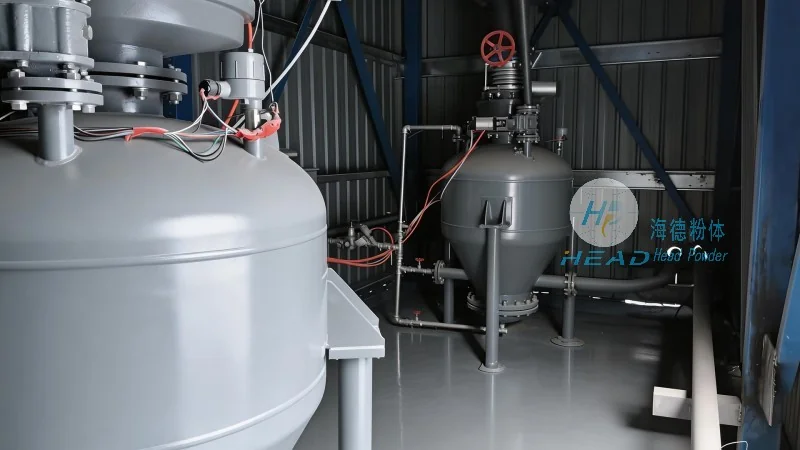
What is Metal Aluminum Powder Pneumatic Conveying?
Metal aluminum powder pneumatic conveying is a type of pneumatic transport system designed to move aluminum powder from a source to a destination using pressurized gas. Unlike traditional mechanical conveying methods, this system relies on the kinetic energy of the gas to lift and transport the powder. The process begins with the aluminum powder being introduced into a hopper or feeder, where it is then drawn into a pipeline by the moving gas. The gas flow creates a negative pressure or positive pressure environment, depending on the system design, to ensure the powder moves efficiently without clogging or degradation.
The Core Design Principles of Pneumatic Conveying Systems
The effectiveness of a metal aluminum powder pneumatic conveying system hinges on several key design principles. First, the velocity of the conveying gas must be sufficient to overcome the gravitational force acting on the powder particles. This is often referred to as the "minimum conveying velocity," which varies based on particle size, density, and the system's configuration. Engineers calculate this velocity using empirical formulas or experimental data to ensure the powder remains suspended and moves smoothly through the pipeline.
Second, the system's pressure and flow rate are critical. Positive pressure systems, where the conveying line is pressurized above atmospheric pressure, are common for long-distance or high-capacity applications. These systems can handle larger volumes and are less prone to dust leakage compared to negative pressure systems. Negative pressure systems, on the other hand, operate by creating a vacuum in the line, drawing powder from the source. They are often used for shorter distances or where dust containment is a priority.
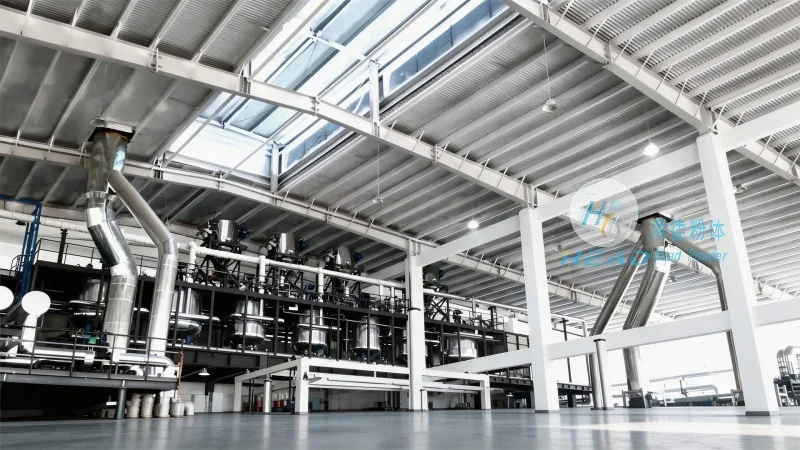
Third, the design of the pipeline and components plays a vital role. The diameter and length of the pipeline are optimized to minimize pressure drop and energy consumption. Elbows, bends, and other fittings are carefully selected to reduce turbulence and prevent particle accumulation, which could lead to blockages. Additionally, the use of special materials, such as stainless steel or corrosion-resistant alloys, is essential to prevent the aluminum powder from reacting with or contaminating the system components.
Key Components and Their Functions
A typical metal aluminum powder pneumatic conveying system includes several key components. The feeder or hopper is responsible for feeding the powder into the system at a controlled rate. The gas source, usually a compressor, provides the necessary pressure and flow. The pipeline transports the powder and gas mixture to the destination. At the receiving end, a separator or filter separates the powder from the gas, allowing the powder to be collected and the gas to be recycled or vented. Control valves and sensors are also integrated to monitor and adjust the system's performance in real-time, ensuring optimal operation.
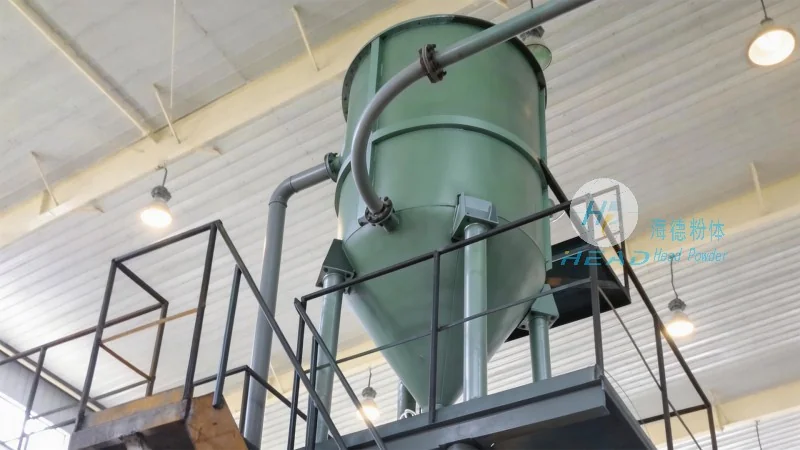
Applications and Benefits in Industry
Metal aluminum powder pneumatic conveying is widely applied in various industries due to its advantages over traditional methods. In the aerospace and automotive sectors, it is used for transporting aluminum powder used in powder metallurgy, where the powder is compacted into parts like engine components or structural elements. In chemical processing, it facilitates the handling of aluminum powder in production lines for aluminum-based products, such as aluminum alloys or coatings. The benefits of this technology include improved safety by reducing dust exposure, increased efficiency through automated material handling, and cost savings by minimizing material loss and downtime.
About HeadPowder: Your Expert in Pneumatic Conveying Solutions
HeadPowder, or Shandong HeadPowder Engineering Co., Ltd., is a leading provider of pneumatic conveying systems tailored for metal aluminum powder applications. With operations based in Shandong, China, the company specializes in designing and manufacturing customized solutions that meet the unique needs of its clients. HeadPowder's expertise lies in understanding the specific challenges of aluminum powder handling, such as its light weight, high reactivity, and tendency to form agglomerates. The company's engineers work closely with clients to develop systems that ensure efficient, reliable, and safe transport of aluminum powder, adhering to industry standards and safety regulations.
Conclusion
Metal aluminum powder pneumatic conveying is a sophisticated technology that combines engineering principles with practical application to enable efficient material handling. By understanding the design principles and components involved, industries can optimize their processes and improve overall productivity. Companies like Shandong HeadPowder Engineering Co., Ltd. play a vital role in providing the expertise and solutions needed to implement these systems effectively, ensuring that metal aluminum powder is transported safely and efficiently across various industrial applications.