

What is Cement Fly Ash Mine Powder Pneumatic Conveying? And What Are Its Design Principles?
Pneumatic conveying is a critical technology in the handling and transportation of bulk materials like cement, fly ash, and mine powders. This method involves transporting particles through a pipeline using a gas stream, typically air or a mixture of air and other gases. For industries dealing with these materials, efficient and reliable pneumatic conveying systems are essential to maintain production flow, reduce downtime, and ensure safety. The process of cement fly ash mine powder pneumatic conveying combines the transportation of fine powders with the principles of fluidization and pressure differentials, making it a versatile solution for various industrial applications.
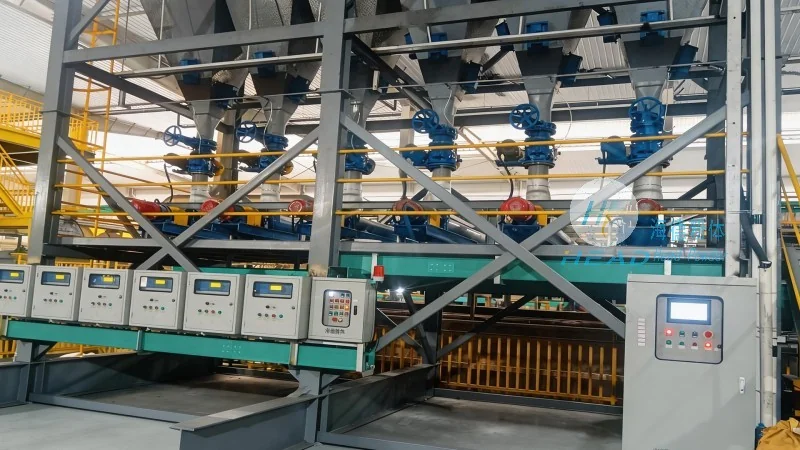
Understanding Pneumatic Conveying Systems for Cement, Fly Ash, and Mine Powders
At its core, a pneumatic conveying system consists of a source of material, a conveying line, a gas source, and a control system. The material is fed into the system, and the gas is introduced to create a flow that carries the particles through the pipeline. The design of such systems must consider the physical properties of the material, including particle size, density, and moisture content, as well as the required conveying distance and flow rate. For cement and fly ash, which are often fine and abrasive, specialized equipment is needed to prevent blockages and ensure consistent performance. Mine powders, with their varying compositions, also require tailored solutions to handle different particle characteristics and potential hazards like dust explosions.
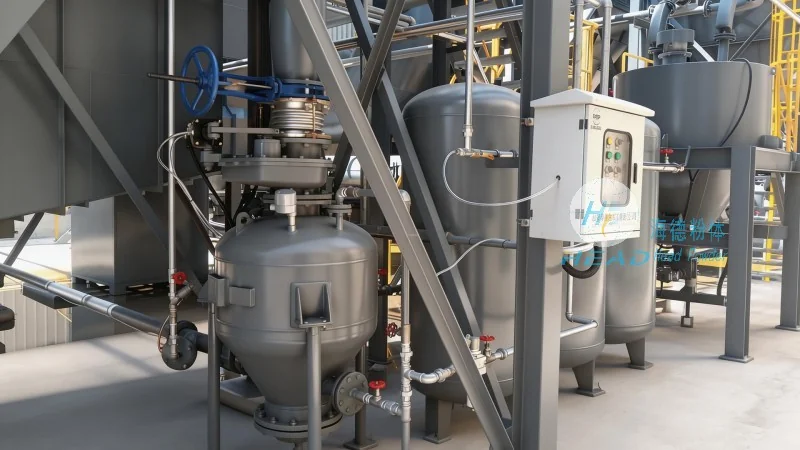
Key Design Principles for Efficient Pneumatic Conveying
Several key design principles are crucial for the effective operation of pneumatic conveying systems. First, the selection of the appropriate conveying type—whether it's dilute phase, where particles are suspended in the gas stream, or dense phase, where particles are more concentrated—depends on the material's properties and the distance to be covered. Dilute phase systems are generally more energy-efficient for longer distances but may require larger pipelines for fine powders. Dense phase systems, on the other hand, are better suited for short distances or when handling abrasive materials, as they reduce particle impact and wear on the system components. Another critical factor is the pressure differentials, which must be carefully calculated to ensure the material moves smoothly without excessive energy consumption. The system's design also includes features like in-line mixers, cyclones for separation, and filters to maintain air quality and prevent material buildup.
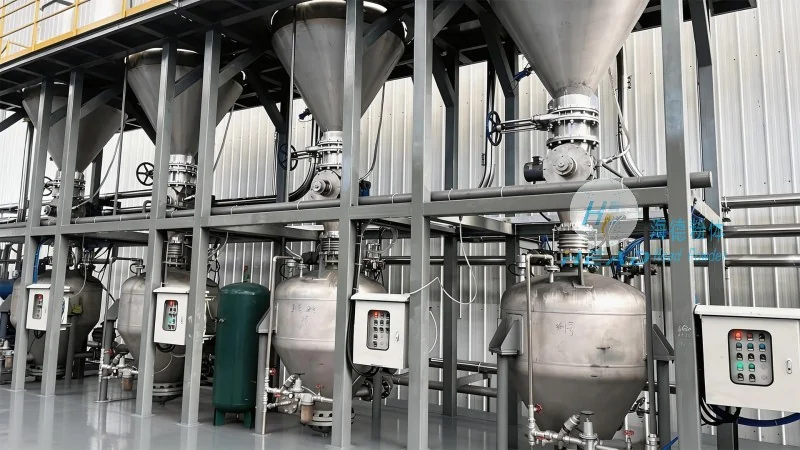
The Role of HeadPowder in Pneumatic Conveying Solutions
Shandong HeadPowder Engineering Co., Ltd., located in Shandong, China, specializes in providing comprehensive pneumatic conveying solutions tailored to the needs of industries handling cement, fly ash, and mine powders. With a focus on innovation and customer-centric design, HeadPowder has developed advanced systems that address the unique challenges of these materials. The company's expertise lies in understanding the material properties and translating them into efficient conveying designs. For example, their systems incorporate high-quality materials and robust construction to withstand the abrasive nature of cement and fly ash, ensuring long-term reliability. Additionally, HeadPowder offers customized solutions, including modular components that can be adapted to different production scales and environments. Their commitment to quality and performance has made them a trusted partner for many industrial clients seeking reliable pneumatic conveying systems.
Addressing Common Challenges in Pneumatic Conveying
Despite its advantages, pneumatic conveying systems can face challenges such as blockages, pressure drops, and material degradation. Blockages often occur due to the accumulation of fine particles or moisture, which can be mitigated through proper system design, including regular cleaning and the use of anti-clogging devices. Pressure drops are another concern, as they indicate energy loss and reduced conveying efficiency. HeadPowder addresses this by optimizing pipeline diameters and using efficient gas compressors that maintain consistent pressure. Material degradation, particularly for sensitive powders like cement, can be minimized by using gentle conveying methods and avoiding high-impact components. The company's engineers work closely with clients to identify potential issues and implement solutions that enhance system performance and longevity.
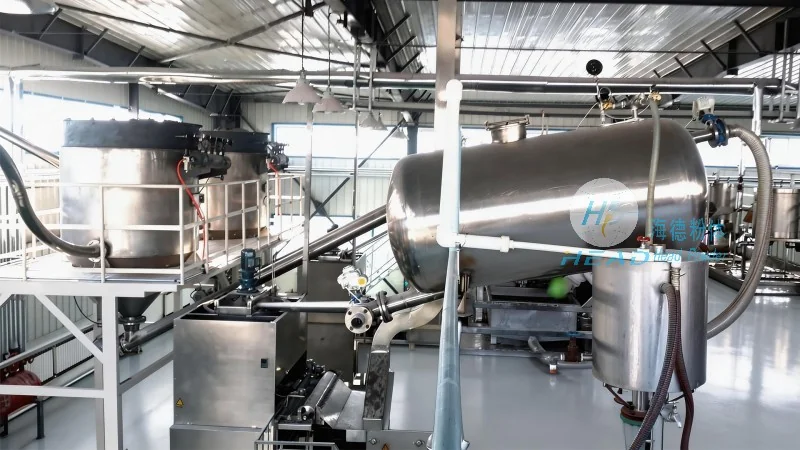
Conclusion: Choosing the Right Pneumatic Conveying System
In conclusion, cement fly ash mine powder pneumatic conveying is a sophisticated and efficient method for transporting bulk materials. The design principles and system components must be carefully selected to match the material's characteristics and the operational requirements of the industry. Companies like Shandong HeadPowder Engineering Co., Ltd. play a vital role in providing tailored solutions that ensure reliable and cost-effective material handling. By understanding the key design factors and addressing common challenges, industries can optimize their production processes and improve overall efficiency. The choice of a pneumatic conveying system is a critical investment, and with the right expertise and equipment, it can significantly enhance operational performance and contribute to long-term success.