

Desulfurization Sodium Bicarbonate Pneumatic Conveying: What It Is and Its Design Principles
Desulfurization sodium bicarbonate, commonly known as sodium bicarbonate for flue gas desulfurization, is a critical chemical in modern industrial processes aimed at reducing sulfur dioxide emissions. The efficient transport of this chemical from storage to processing units is essential for maintaining the effectiveness of desulfurization systems. Pneumatic conveying, a method that uses air or other gas to move bulk materials through a pipeline, offers a reliable solution for handling sodium bicarbonate in such applications. This article explores what pneumatic conveying of desulfurization sodium bicarbonate entails and delves into the key design principles that ensure its successful implementation.
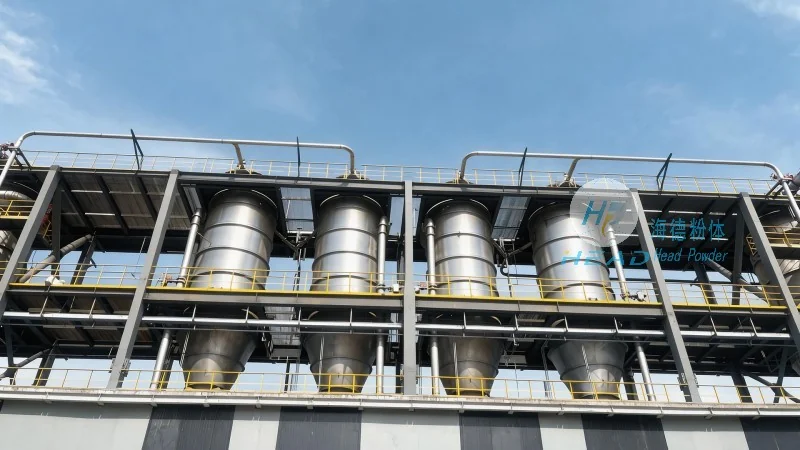
Understanding Pneumatic Conveying for Desulfurization Sodium Bicarbonate
Pneumatic conveying systems are widely used in industries dealing with bulk solids, including chemicals, minerals, and food products. In the context of flue gas desulfurization, sodium bicarbonate is typically stored in bulk quantities and needs to be transported to reactors or absorbers where it reacts with sulfur dioxide to form calcium carbonate or other byproducts. Traditional methods like belt conveyors or bucket elevators may not be suitable due to the chemical's sensitivity or the need for a dust-free environment. Pneumatic conveying, however, provides a closed system that minimizes contamination and ensures consistent material flow.
The Role of Desulfurization Sodium Bicarbonate in Flue Gas Treatment
Flue gas desulfurization (FGD) is a process used to remove sulfur dioxide (SO2) from exhaust gases produced by power plants and industrial facilities. Sodium bicarbonate, when used in FGD systems, acts as a reagent that reacts with SO2 to form calcium carbonate or other compounds, thereby reducing the overall sulfur content in the emissions. The efficiency of this process depends heavily on the accurate and reliable delivery of sodium bicarbonate to the reaction points. Pneumatic conveying ensures that the chemical is transported without degradation, maintaining its reactivity and effectiveness throughout the process.
Key Design Principles for Pneumatic Conveying Systems
The design of a pneumatic conveying system for desulfurization sodium bicarbonate involves several critical considerations to ensure optimal performance, safety, and longevity. These principles include:
1. System Type Selection: The choice between positive pressure and negative pressure systems depends on the application requirements. Positive pressure systems are commonly used for short-distance or low-pressure applications, where air is blown into the pipeline to move the material. Negative pressure systems, on the other hand, are suitable for longer distances or when the material needs to be drawn from a source. For sodium bicarbonate, a positive pressure system is often preferred due to its ability to handle the chemical's properties and maintain consistent flow rates.
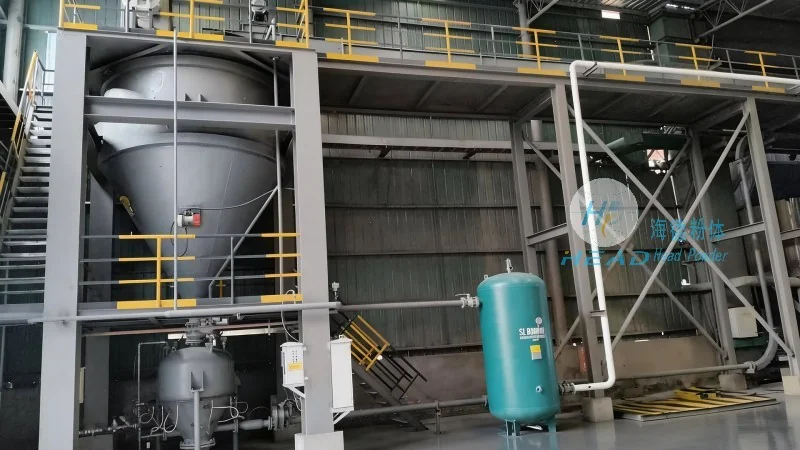
2. Pipeline Sizing and Layout: Proper sizing of the conveying pipeline is crucial to prevent pressure drops and ensure smooth material transport. The diameter of the pipeline must be sufficient to accommodate the material's flow rate and prevent blockages. The layout of the pipeline, including the number of bends, vertical and horizontal sections, and the placement of components like cyclones and filters, must be carefully planned to minimize energy consumption and maintain system efficiency.
3. Airflow and Pressure Control: The velocity of the air in the pipeline is a critical factor in pneumatic conveying. The air must be moving at a sufficient speed to entrain the sodium bicarbonate particles and prevent them from settling or clogging the system. The pressure within the system must be carefully controlled to avoid excessive energy consumption or damage to the equipment. This often involves the use of blowers or compressors that can adjust their output based on the system's needs.
4. Material Handling and Conditioning: Before entering the conveying system, the sodium bicarbonate may need to be conditioned to ensure consistent particle size and flow properties. This can include screening to remove oversized particles or adding moisture to prevent dust formation. Proper conditioning helps maintain the system's efficiency and prevents wear and tear on the equipment.
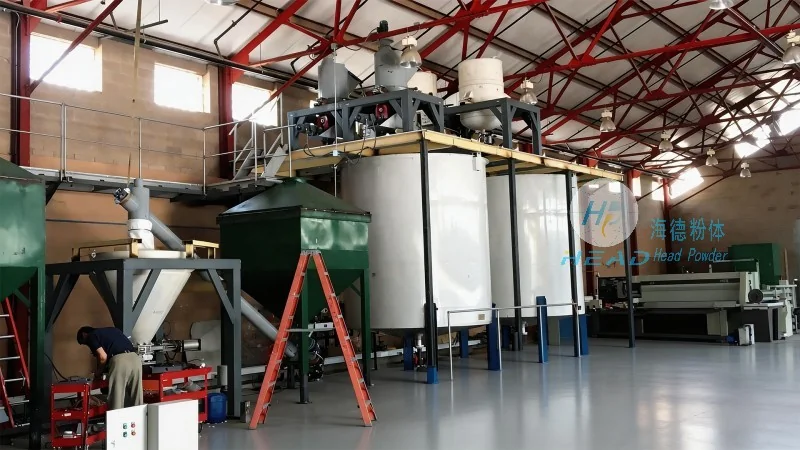
5. Separation and Filtration: At the end of the conveying process, the sodium bicarbonate and air mixture must be separated. Cyclones and filters are commonly used for this purpose. Cyclones use centrifugal force to separate the solid particles from the air, while filters trap any fine particles that may have escaped. The separated air is then typically recirculated back into the system to conserve energy and reduce emissions.
Benefits of Pneumatic Conveying for Desulfurization Sodium Bicarbonate
Implementing a pneumatic conveying system for desulfurization sodium bicarbonate offers several advantages over traditional methods. These benefits include:
1. Closed System and Environmental Protection: Pneumatic conveying operates in a closed environment, preventing dust and chemical emissions from entering the atmosphere. This is particularly important for sodium bicarbonate, which can be a respiratory irritant if not handled properly.
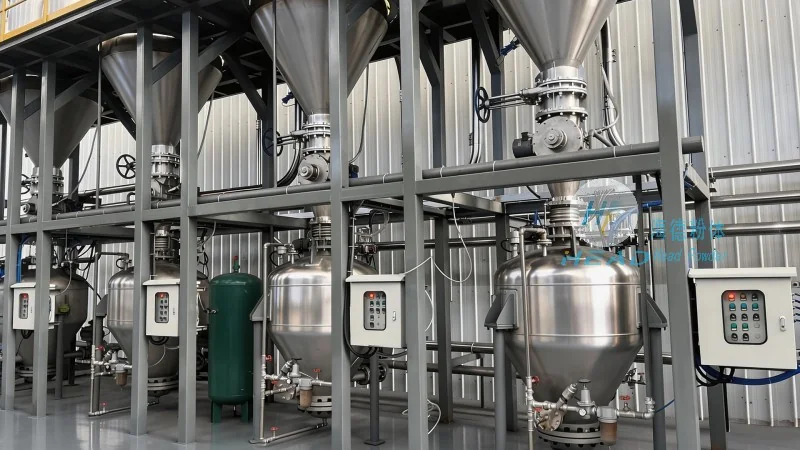
2. Energy Efficiency: Modern pneumatic conveying systems are designed to be energy-efficient, with blowers and compressors that can adjust their output based on the system's load. This reduces energy consumption compared to other bulk material handling methods.
3. Reduced Maintenance and Downtime: By minimizing contact with the material and using wear-resistant components, pneumatic conveying systems can reduce maintenance requirements and downtime. This leads to lower operational costs and increased system reliability.
4. Flexibility and Scalability: Pneumatic conveying systems can be easily scaled up or down to accommodate changes in production requirements. They can also be integrated with other process equipment, making them a versatile solution for various industrial applications.
Conclusion
Pneumatic conveying of desulfurization sodium bicarbonate is a vital component of modern flue gas desulfurization systems. The design principles outlined above, including system type selection, pipeline layout, airflow control, material conditioning, and separation techniques, are essential for ensuring the efficient and reliable transport of this critical chemical. By adhering to these principles, industrial facilities can maintain the effectiveness of their desulfurization processes while minimizing environmental impact and operational costs. As a leading provider in this field, Shandong HeadPowder Engineering Co., Ltd. specializes in designing and implementing such systems, leveraging years of experience to deliver solutions tailored to the unique needs of each client.