

Types and Practical Applications of Pneumatic Conveying Systems in Food Handling
Pneumatic conveying systems have become a cornerstone in the food processing and handling industry, offering efficient, hygienic, and flexible solutions for transporting bulk materials. These systems utilize air or gas to move powders, granules, and other particulate materials through a pipeline network. The technology is particularly valuable in food applications due to its ability to maintain product integrity, minimize contamination risks, and adapt to various production environments. As a leading provider in this field, Shandong HeadPowder Engineering Co., Ltd. (commonly known as HeadPowder) specializes in designing and implementing tailored pneumatic conveying solutions that meet the stringent requirements of the food industry.
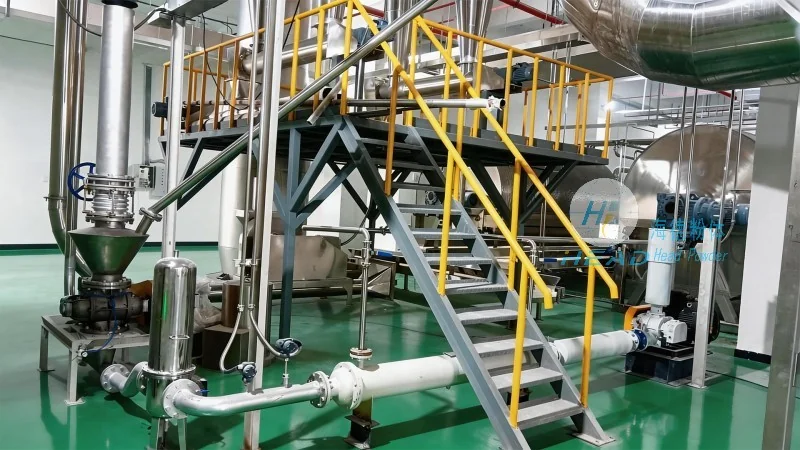
Types of Pneumatic Conveying Systems for Food Applications
There are primarily two main categories of pneumatic conveying systems used in food handling: positive pressure and negative pressure systems. Each type has distinct characteristics and is suitable for different operational needs.
Positive Pressure Pneumatic Conveying systems operate by blowing air or gas into the material to be conveyed, creating a pressure differential that propels the material through the pipeline. This method is often preferred for applications requiring high material throughput and long-distance transport. Positive pressure systems are effective for moving materials from a central source to multiple destinations, such as in large-scale food processing plants where ingredients are distributed to various production lines. The system typically includes a blower, a material feed hopper, and a pipeline network with appropriate valves and controls. This approach ensures consistent material flow and can handle a wide range of particle sizes and densities, making it versatile for different food products like flour, sugar, and spices.
Negative Pressure Pneumatic Conveying systems, on the other hand, operate by creating a vacuum or negative pressure within the pipeline to draw material from a source into the system. This method is ideal for applications where material needs to be collected from multiple points or where the material is sensitive to pressure changes. Negative pressure systems are commonly used in situations where the material is being transferred from a storage silo or a production line to a processing unit. The system relies on a vacuum pump to create the suction force, and it often includes filters and cyclones to separate the material from the air stream. This approach is particularly beneficial for handling fine powders that could be easily agglomerated or damaged by high-pressure air, such as in the handling of dairy products or pharmaceutical ingredients.
Practical Applications of Pneumatic Conveying in Food Processing
The versatility of pneumatic conveying systems makes them applicable across various stages of food processing. From raw material intake to final product packaging, these systems play a critical role in maintaining operational efficiency and product quality.
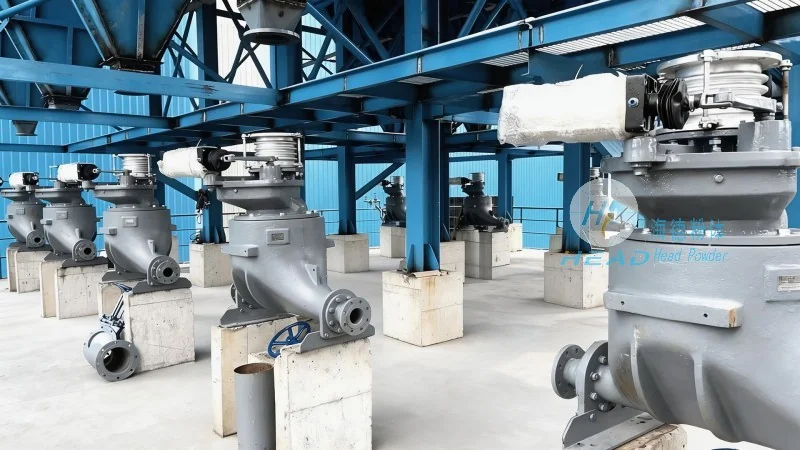
For instance, in the flour milling industry, positive pressure pneumatic conveying is widely used to transport raw wheat or milled flour from storage silos to processing equipment. The system ensures that the flour is moved hygienically and without cross-contamination, which is essential for food safety standards. Similarly, in the sugar and confectionery sectors, pneumatic conveying systems are employed to handle granulated sugar, cocoa powder, and other sweeteners. These systems can handle high volumes of material and maintain the product's texture and quality, which is crucial for the final taste and appearance of the confectionery products.
In the dairy and beverage industry, negative pressure systems are often preferred for handling powdered milk, whey, and other dairy products. The gentle suction process minimizes product degradation and ensures that the nutritional value of the dairy ingredients is preserved. Additionally, in the snack food manufacturing industry, pneumatic conveying is used to transport ingredients like potato flakes, cornmeal, and nuts. The systems can handle a mix of different particle sizes and can be integrated with other processing equipment to streamline production lines.
Benefits of Implementing Pneumatic Conveying Systems in Food Handling
Adopting pneumatic conveying systems in food processing offers numerous advantages that contribute to operational excellence and cost savings.
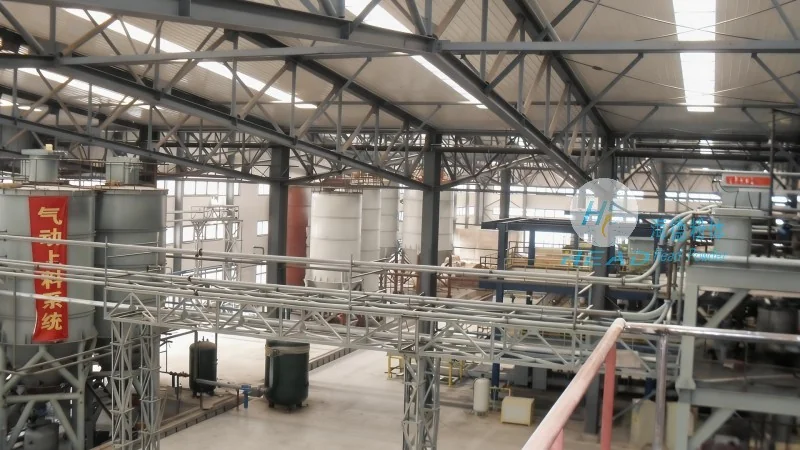
Hygienic and Sanitary Design is a key benefit, as these systems are constructed with materials that are easy to clean and maintain, such as stainless steel. The enclosed pipeline design prevents contamination from external sources and reduces the risk of cross-contamination between different food products. This is particularly important in food processing facilities that handle multiple ingredients or products.
Flexibility and Adaptability is another significant advantage. Pneumatic conveying systems can be easily reconfigured to accommodate changes in production volume or product types. The modular design allows for the addition or removal of pipeline sections, making it suitable for both small-scale and large-scale operations. This flexibility is valuable in dynamic food processing environments where product lines may be adjusted frequently.
Energy Efficiency is also a notable benefit. Modern pneumatic conveying systems are designed to operate with minimal energy consumption, especially when compared to traditional methods like bucket elevators or belt conveyors. The use of efficient blowers and optimized pipeline layouts reduces energy costs while maintaining high material throughput. This contributes to lower operational expenses and a more sustainable operation.
Reduced Labor and Maintenance is an additional advantage. Automated pneumatic conveying systems require less manual labor for material handling, reducing the risk of human error and improving overall productivity. The enclosed design also minimizes the need for frequent maintenance, as the system components are protected from dust and debris. This leads to lower maintenance costs and longer system lifespans.