

Types and Practical Applications of Pneumatic Conveying Systems for Cocoa Transport
Pneumatic conveying systems have become an essential component in the cocoa processing industry, offering efficient and reliable methods for transporting cocoa beans and related products. As a leading provider in the field, Shandong HeadPowder Engineering Co., Ltd. specializes in designing and implementing advanced solutions tailored to the unique needs of cocoa handling operations. This article explores the various types of pneumatic conveying systems used in cocoa transport and their practical applications, highlighting the benefits and considerations for each system.
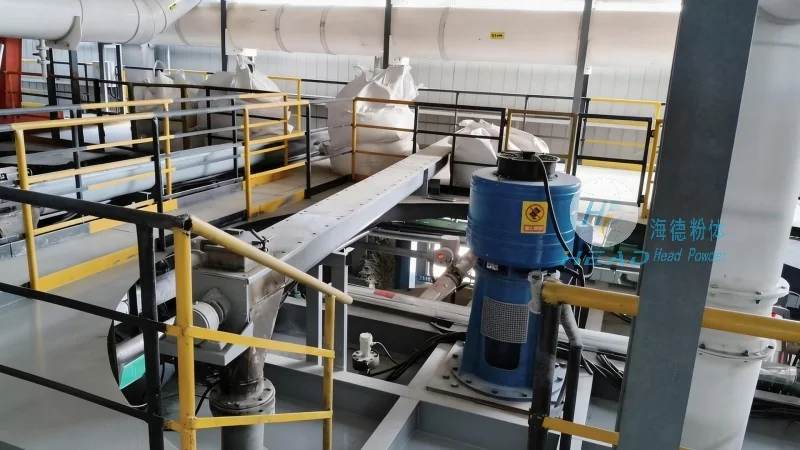
Types of Pneumatic Conveying Systems for Cocoa Transport
There are primarily two main categories of pneumatic conveying systems: positive pressure and negative pressure systems. Each type has distinct characteristics that make it suitable for different cocoa processing scenarios.
Positive pressure systems, also known as pressure conveying systems, operate by blowing air or other gases into the conveying line, creating a pressure higher than the ambient air. This method is particularly effective for transporting cocoa beans over long distances or through complex layouts, as it can maintain a consistent flow rate and prevent product degradation. The system typically uses a positive displacement blower or a rotary lobe blower to generate the necessary pressure. Positive pressure systems are often preferred for applications where the cocoa is being moved from a storage silo to a processing plant or for bulk handling in large-scale operations.
Negative pressure systems, or vacuum conveying systems, work by creating a vacuum in the conveying line, drawing the cocoa material into the system. This approach is ideal for short to medium distance transport, especially when the material needs to be collected from multiple points or when the product is sensitive to pressure changes. Negative pressure systems use a vacuum pump to create the suction force, and they are commonly used in situations where the cocoa is being transferred from a hopper or a collection bin to a processing unit. The design of negative pressure systems allows for gentle handling of the cocoa, minimizing the risk of breakage or damage to the beans.
Another type of pneumatic conveying system is the hybrid system, which combines elements of both positive and negative pressure. This system is particularly useful when the transport route involves both long and short segments, or when the material needs to be handled under varying conditions. Hybrid systems can be adjusted to operate in either positive or negative pressure mode, providing flexibility and efficiency in complex transport scenarios. For cocoa transport, hybrid systems are often employed in large processing facilities where multiple processing stages are involved, allowing for seamless integration of different conveying segments.
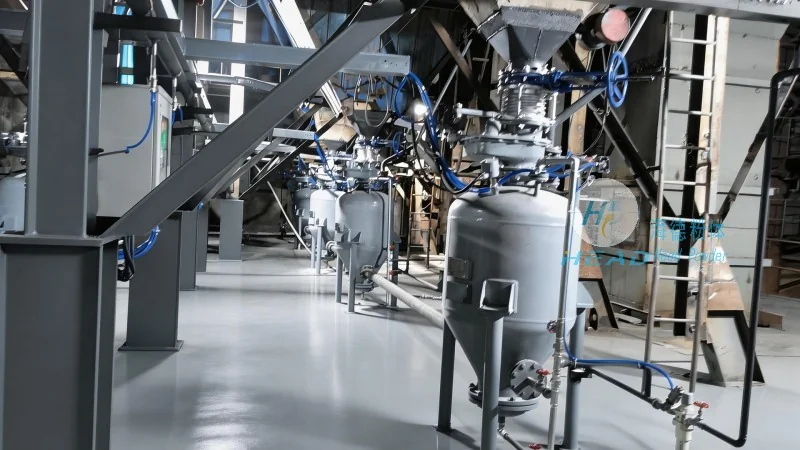
Practical Applications of Pneumatic Conveying Systems in Cocoa Handling
The practical applications of pneumatic conveying systems in cocoa transport vary widely depending on the specific requirements of the processing plant. Here are some common scenarios where these systems are utilized:
In large-scale cocoa processing plants, pneumatic conveying systems are used to transport cocoa beans from the reception area to the storage silos. This ensures that the beans are moved efficiently and hygienically, reducing the risk of contamination and spoilage. The systems can handle large volumes of cocoa, often in bulk, and can be integrated with other processing equipment such as cleaning and sorting machines. For example, a positive pressure system might be used to move the cleaned and sorted cocoa beans from the storage silos to the roasting and grinding units, ensuring a smooth flow of material throughout the production line.
Another practical application is the transport of cocoa powder or cocoa butter from processing units to packaging areas. In this case, negative pressure systems are often preferred due to the fine nature of the powder, which requires gentle handling to prevent caking or agglomeration. The vacuum system can effectively draw the powder from the processing equipment into the packaging line, maintaining the quality and consistency of the product. This application is crucial for maintaining the high standards of cocoa products, especially in the food and beverage industry where product quality is paramount.
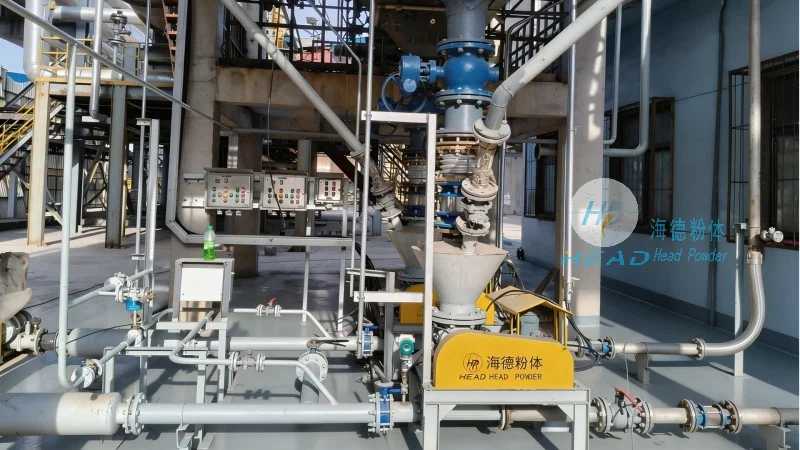
Additionally, pneumatic conveying systems are used in the collection and transfer of cocoa waste or byproducts from the processing plant. This helps in maintaining a clean and organized facility, as the waste is removed from the production area and transported to disposal or recycling facilities. The systems can handle various types of waste materials, including cocoa shells and husks, which are often used as animal feed or for other industrial purposes. By using pneumatic conveying for waste management, processing plants can improve their operational efficiency and environmental sustainability.
Benefits and Considerations for Pneumatic Conveying Systems in Cocoa Transport
Implementing pneumatic conveying systems in cocoa transport offers several benefits, including improved efficiency, reduced labor costs, and enhanced product quality. The systems can handle large volumes of cocoa with minimal human intervention, allowing processing plants to operate more efficiently and reduce operational costs. Additionally, the enclosed nature of the conveying system helps maintain the hygiene and quality of the cocoa, preventing contamination from external sources and preserving the flavor and aroma of the beans.
However, there are also considerations to keep in mind when selecting and implementing a pneumatic conveying system for cocoa transport. The choice of system depends on factors such as the distance of transport, the volume of material, the physical properties of the cocoa (e.g., moisture content, particle size), and the layout of the processing plant. For example, positive pressure systems may be more suitable for long-distance transport, while negative pressure systems are better for short-distance or gentle handling applications. The cost of the system, including the initial investment and maintenance, is also an important factor to consider, as different systems have varying capital and operational expenses.
Furthermore, the design and maintenance of the pneumatic conveying system are critical to its performance and longevity. Proper sizing of the conveying line, the use of appropriate filters and separators to prevent blockages, and regular maintenance of the blower or vacuum pump are essential to ensure the system operates efficiently and reliably. Shandong HeadPowder Engineering Co., Ltd. provides comprehensive support in the design, installation, and maintenance of pneumatic conveying systems, ensuring that clients receive tailored solutions that meet their specific needs and operational requirements.