

Types and Practical Applications of Pneumatic Conveying Systems for Sweet Potato Transportation
HeadPowder, a leading engineering firm based in Shandong, China, specializes in the design and implementation of efficient material handling solutions. This article explores the various types of pneumatic conveying systems and their practical applications in the transportation of sweet potatoes, a crucial crop in agricultural processing.
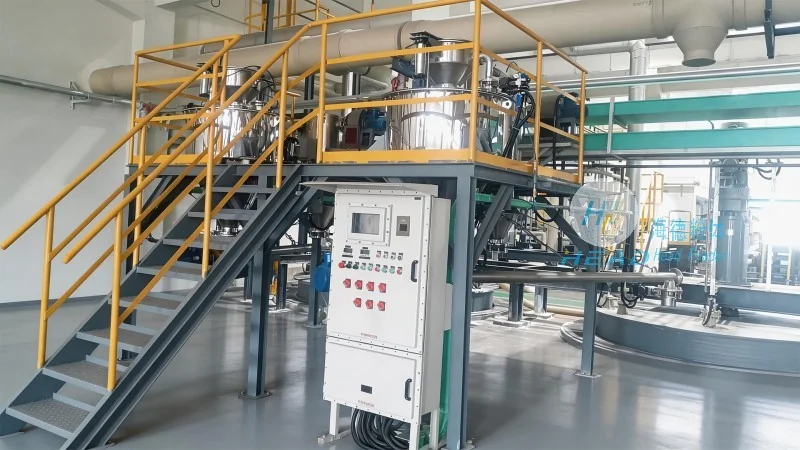
Introduction to Pneumatic Conveying Systems
Pneumatic conveying systems are mechanical systems that use air or gas to transport bulk materials like sweet potatoes from one location to another. These systems are widely adopted in the food processing industry due to their ability to handle delicate products while maintaining hygiene and efficiency. The primary types of pneumatic conveying systems include suction (or vacuum) systems, pressure systems, and combined systems, each with distinct characteristics suited to different operational requirements.
Types of Pneumatic Conveying Systems for Sweet Potato Transportation
1. **Suction (Vacuum) Pneumatic Conveying Systems**: This type of system operates by creating a negative pressure (vacuum) at the material inlet, drawing sweet potatoes into the conveying line. Suction systems are ideal for applications where the material needs to be collected from multiple points or from a lower elevation. They are commonly used in sweet potato processing plants for transporting harvested tubers from fields or storage areas to the processing facility. The system typically includes a vacuum pump, a filter to remove dust and debris, and a discharge valve at the end of the line. The gentle handling of suction systems helps preserve the quality of sweet potatoes, minimizing damage during transport.
2. **Pressure Pneumatic Conveying Systems**: In contrast to suction systems, pressure systems generate positive pressure within the conveying line to push the material forward. These systems are often used for longer distances or when the material needs to be transported to a higher elevation. For sweet potato transportation, pressure systems can be employed to move processed products, such as peeled or cut sweet potatoes, from processing units to packaging areas. The high-pressure operation ensures consistent flow rates and can handle larger volumes of material, making it suitable for high-throughput processing lines. Pressure systems typically use a positive displacement blower or a rotary lobe pump to generate the necessary pressure.
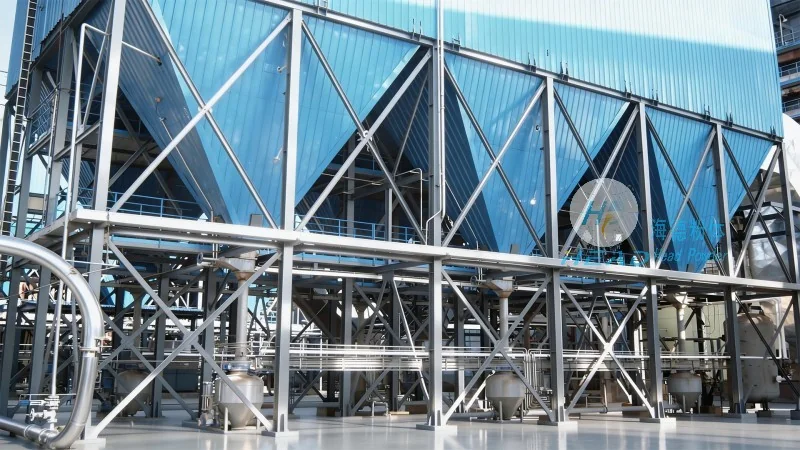
3. **Combined (Suction and Pressure) Pneumatic Conveying Systems**: Some applications may require a combination of both suction and pressure capabilities. For instance, in a sweet potato processing plant, a combined system might be used to collect sweet potatoes from the field (using suction) and then transport them to a processing area (using pressure). This hybrid approach allows for flexibility in material handling, accommodating different stages of the production process. The system integrates both suction and pressure components, enabling efficient collection and transport over varied distances and elevations.
Practical Applications in Sweet Potato Processing
The choice of pneumatic conveying system depends on the specific needs of the sweet potato processing operation. Here are some practical applications where these systems are commonly used:
**Harvest and Collection**: After harvesting, sweet potatoes are often collected from the field and transported to the processing plant. A suction pneumatic conveying system can be installed at the field to draw sweet potatoes from storage bins or directly from the ground, ensuring a continuous supply of raw material to the processing line. This method reduces labor costs and minimizes the time between harvest and processing, which is critical for maintaining the quality of the tubers.
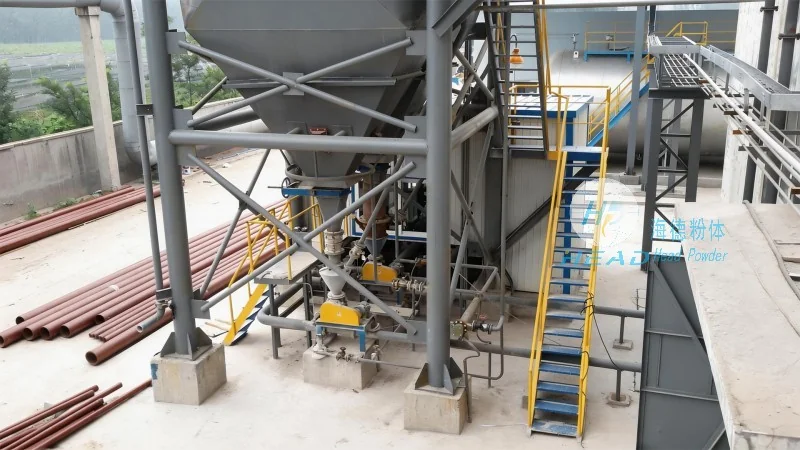
**Processing and Sorting**: Once at the processing plant, sweet potatoes undergo various stages such as washing, peeling, cutting, and sorting. Pneumatic conveying systems can be integrated into these processes to transport sweet potatoes between different processing units. For example, a pressure system can move peeled sweet potatoes from the peeling machine to the cutting machine, ensuring a smooth flow of material. The gentle handling of the system prevents damage to the sweet potatoes, which is essential for maintaining their market value.
**Packaging and Storage**: After processing, sweet potatoes are often packaged for distribution. Pneumatic conveying systems can be used to transport packaged products from the packaging line to storage areas or to loading docks for shipment. This ensures that the products are handled hygienically and efficiently, reducing the risk of contamination and spoilage. The systems can also be used to move empty containers back to the packaging line for reuse, improving overall operational efficiency.
Key Considerations for Implementing Pneumatic Conveying Systems
When selecting and implementing a pneumatic conveying system for sweet potato transportation, several factors must be considered to ensure optimal performance and efficiency:
**Material Characteristics**: Sweet potatoes are relatively soft and have a high moisture content, which can affect the conveying process. The system must be designed to handle these characteristics, such as using appropriate duct sizes and materials to prevent clogging or damage to the tubers. The use of flexible hoses or flexible connectors can also help accommodate the movement of the material and reduce wear on the system components.
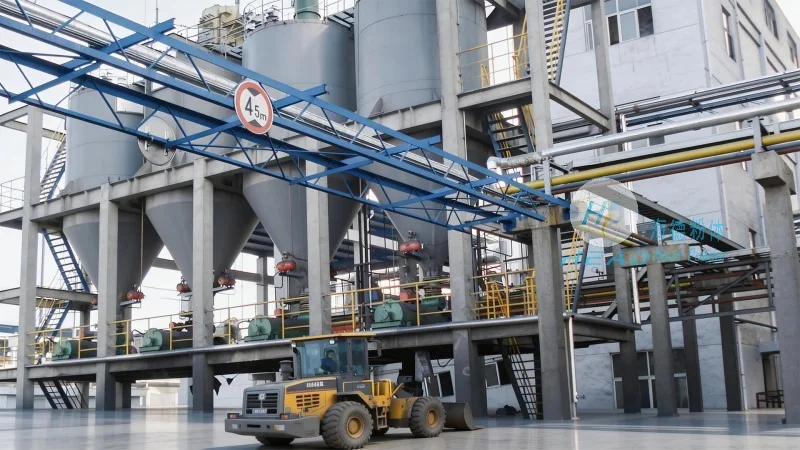
**System Design and Layout**: The layout of the pneumatic conveying system is critical for its effectiveness. The system should be designed to minimize the number of bends and changes in direction, as these can cause pressure losses and increase the risk of material blockages. Proper sizing of the ducts and the selection of the right type of air mover (vacuum or pressure) are essential for achieving the desired flow rates and conveying distances.
**Maintenance and Operation**: Regular maintenance of the pneumatic conveying system is necessary to ensure its longevity and performance. This includes cleaning the filter, checking the air mover for wear, and inspecting the ducts for any signs of damage or clogging. Proper operation of the system, such as maintaining the correct air pressure and flow rate, is also crucial for efficient material transport.
Conclusion
Pneumatic conveying systems offer a versatile and efficient solution for the transportation of sweet potatoes in agricultural processing. By understanding the different types of systems and their practical applications, processing facilities can select the most suitable option to meet their operational needs. HeadPowder, with its expertise in engineering and material handling solutions, provides customized pneumatic conveying systems tailored to the specific requirements of sweet potato processing operations. With proper design and implementation, these systems can enhance productivity, reduce labor costs, and maintain the quality of sweet potatoes, contributing to the overall success of the processing business.