

Types and Practical Applications of Pneumatic Conveying Systems for Grass Powder Transport
For the efficient transport of grass powder, pneumatic conveying systems offer reliable and versatile solutions. These systems are essential in agricultural and industrial processes where the safe and effective movement of bulk materials is critical. Understanding the different types of pneumatic conveying systems and their practical applications is crucial for optimizing material handling operations.
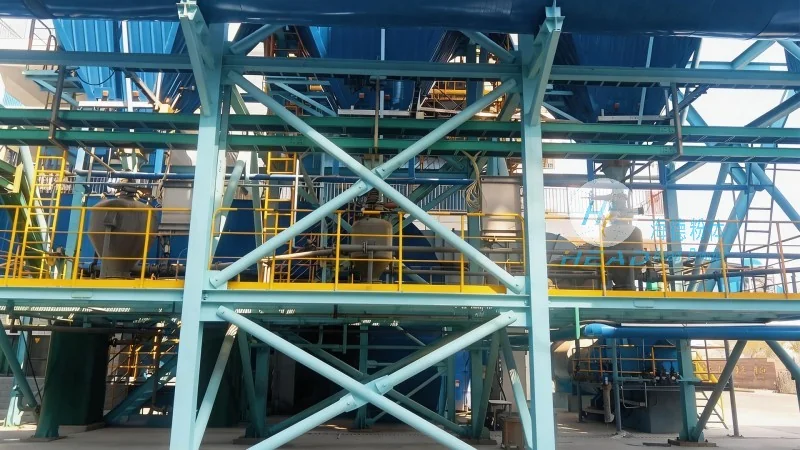
Types of Pneumatic Conveying Systems for Grass Powder Transport
There are primarily two main categories of pneumatic conveying systems used in grass powder transport: positive pressure and negative pressure systems. Each type has distinct characteristics and is suitable for different operational requirements.
Positive Pressure Pneumatic Conveying Systems
Positive pressure systems operate by blowing air or gas into the conveying line, creating a pressure higher than the ambient air pressure. This method pushes the material forward through the pipeline. In the context of grass powder transport, positive pressure systems are often preferred for short to medium-distance applications where the material is relatively dry and free-flowing. They are effective in preventing material degradation and maintaining product quality during transport. The system typically includes a blower, a hopper for material storage, and a discharge unit at the receiving end. The positive pressure ensures that the material is continuously moved without the need for vacuum assistance, making it suitable for applications where high material flow rates are required.
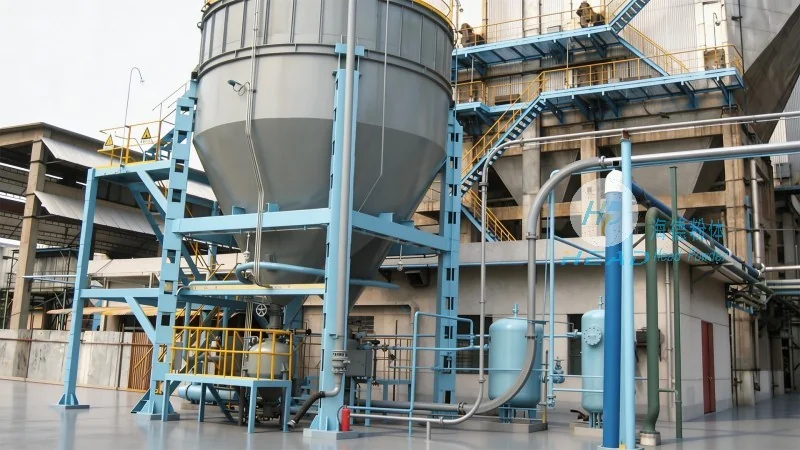
Negative Pressure Pneumatic Conveying Systems
Negative pressure systems, also known as vacuum systems, work by creating a vacuum in the conveying line, which draws the material from the source into the pipeline. This method is ideal for applications where the material needs to be transported over longer distances or where the material is more dusty and requires a closed system to prevent contamination. In grass powder transport, negative pressure systems are commonly used when the material is sensitive to pressure changes or when the receiving point is at a lower elevation than the source. The system consists of a vacuum pump, a material inlet, and a discharge outlet. The vacuum helps in maintaining the material's integrity and reduces the risk of dust emissions, which is crucial for environmental and safety considerations.
Practical Applications of Pneumatic Conveying Systems in Grass Powder Handling
Pneumatic conveying systems find extensive use in various stages of grass powder processing and distribution. For instance, in feed mills, these systems are used to transport grass powder from storage silos to mixing and processing areas. The efficiency of the system ensures that the material is delivered without spillage or contamination, maintaining the quality of the final feed products. In agricultural settings, pneumatic conveyors are employed to move grass powder from harvesting sites to processing facilities, facilitating the transition from raw material to processed feed. Additionally, in industrial applications, such as the production of animal feed or biofuels, pneumatic conveying systems are integral to the material handling process, ensuring smooth and continuous operation.
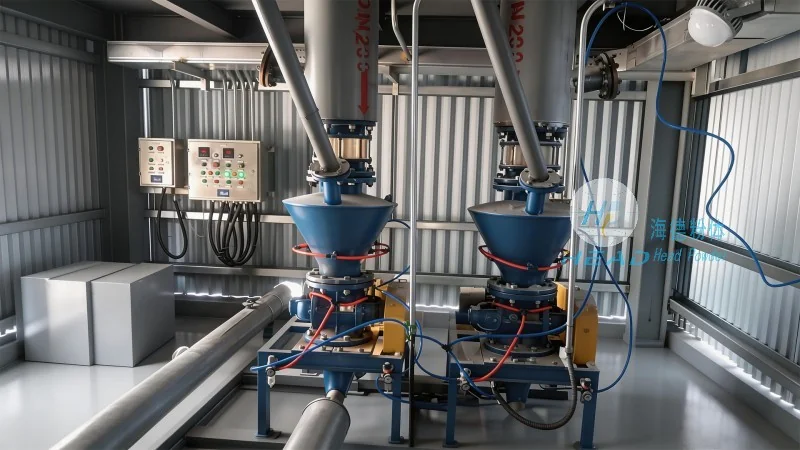
Key Considerations for Selecting the Right Pneumatic Conveying System
When selecting a pneumatic conveying system for grass powder transport, several factors must be considered to ensure optimal performance and cost-effectiveness. The first consideration is the distance and layout of the transport route. Shorter distances may be suitable for positive pressure systems, while longer distances or complex layouts may require negative pressure systems. The second factor is the material characteristics, such as moisture content, particle size, and flowability. Grass powder with high moisture content or fine particles may require specialized equipment to prevent blockages and maintain system efficiency. The third consideration is the required material flow rate and the capacity of the system. High flow rates demand more robust components, such as larger blowers or vacuum pumps, to handle the increased volume. Finally, the environmental and safety regulations must be taken into account. Pneumatic conveying systems should be designed to minimize dust emissions and comply with local environmental standards, ensuring a safe working environment.
About Shandong HeadPowder Engineering Co., Ltd.
Shandong HeadPowder Engineering Co., Ltd., operating under the brand name headpowder, is a leading provider of specialized engineering solutions for material handling, particularly in the agricultural and industrial sectors. With a focus on innovation and quality, the company offers a range of pneumatic conveying systems tailored to the specific needs of grass powder transport. The company's expertise lies in designing and manufacturing systems that enhance operational efficiency, reduce downtime, and ensure the highest standards of product quality. HeadPowder's commitment to customer satisfaction and technical excellence has made it a trusted partner for businesses involved in grass powder processing and distribution. Based in Shandong, China, the company leverages its local resources and industry knowledge to deliver reliable and effective solutions that meet the evolving demands of the market.