

Types and Practical Applications of Pneumatic Conveying Systems in Powdered Milk Handling
HeadPowder, a leading engineering company based in Shandong, China, specializes in the design and implementation of efficient pneumatic conveying systems tailored for the delicate and high-value nature of powdered milk products. The handling of powdered milk requires systems that can maintain product integrity, minimize contamination risks, and ensure reliable, continuous operation. Pneumatic conveying technology offers a versatile solution for transporting these materials from storage silos to processing lines, packaging stations, or storage areas. This article explores the different types of pneumatic conveying systems commonly used in the powdered milk industry and their practical applications, highlighting how these systems enhance operational efficiency and product quality.
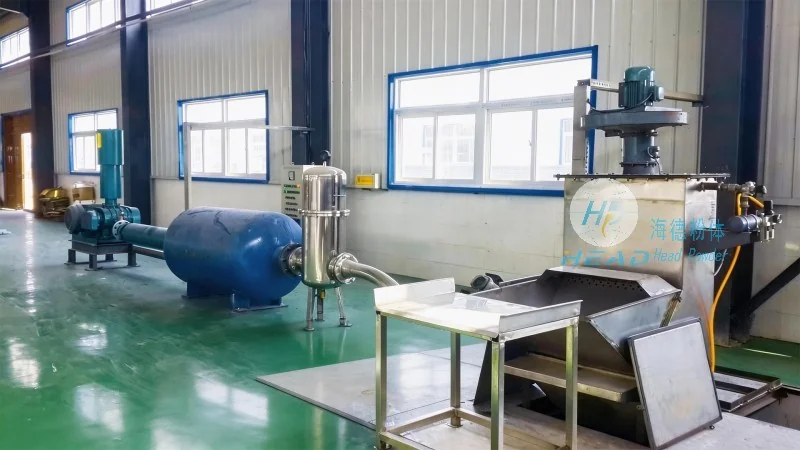
Understanding Pneumatic Conveying Systems for Powdered Milk
Pneumatic conveying systems utilize air or gas to transport bulk materials like powdered milk through a pipeline network. The primary advantage of this method is the ability to move materials without direct contact with mechanical components, which is crucial for preserving the quality of sensitive dairy products. There are two main categories of pneumatic conveying systems: positive pressure and negative pressure systems. Each type has distinct characteristics and is suited to different operational requirements.
Positive Pressure Pneumatic Conveying Systems
Positive pressure systems operate by blowing air or gas into the conveying line, creating a pressure higher than the ambient air pressure. This method is particularly effective for transporting powdered milk over long distances or through complex network layouts. The system typically includes a blower or compressor at the inlet, which generates the necessary pressure to move the material. The material is fed into the line using a rotary valve or a feed hopper, and the air flow carries the powder along the pipeline. A key advantage of positive pressure systems is their ability to handle abrasive or sticky materials, which is common in powdered milk processing. However, they may require more maintenance due to the higher pressure and air flow rates.
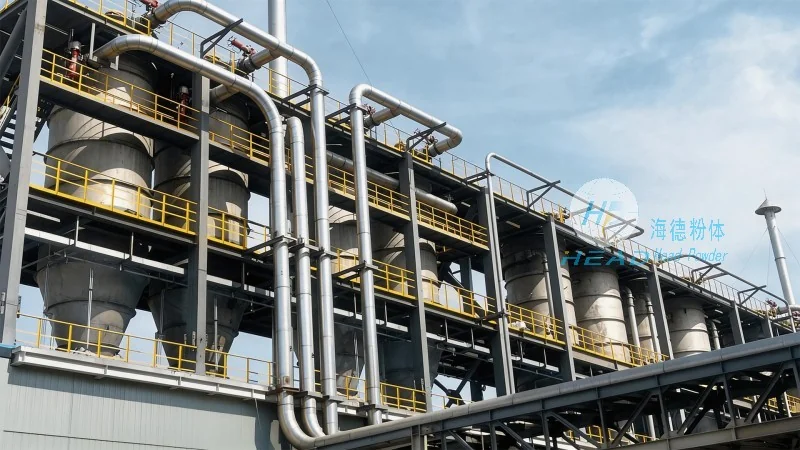
Negative Pressure Pneumatic Conveying Systems
Negative pressure systems, also known as vacuum systems, operate by creating a vacuum at the receiving end of the pipeline. The vacuum draws the powdered milk from the source into the line, with the air flow moving the material towards the discharge point. This method is ideal for applications where the material needs to be transported from a higher elevation to a lower one or where the system is integrated with existing ventilation infrastructure. Negative pressure systems are generally more energy-efficient for short to medium distances and are less likely to cause dust emissions compared to positive pressure systems. However, they may have limitations in handling highly abrasive or large particles, as the vacuum can cause material to settle or clog the line if not properly managed.
Hybrid Pneumatic Conveying Systems
Hybrid systems combine elements of both positive and negative pressure systems to optimize performance for specific applications. These systems may use a positive pressure blower at the inlet to boost the material and a vacuum at the discharge end to control the flow. Hybrid systems are particularly useful in complex layouts where both long-distance transport and precise control over material flow are required. For instance, in a powdered milk plant, a hybrid system might use a positive pressure blower to move the material from the storage silo to a processing line, and then switch to a negative pressure system to transport the material to the packaging area, ensuring minimal pressure fluctuations and consistent flow rates.
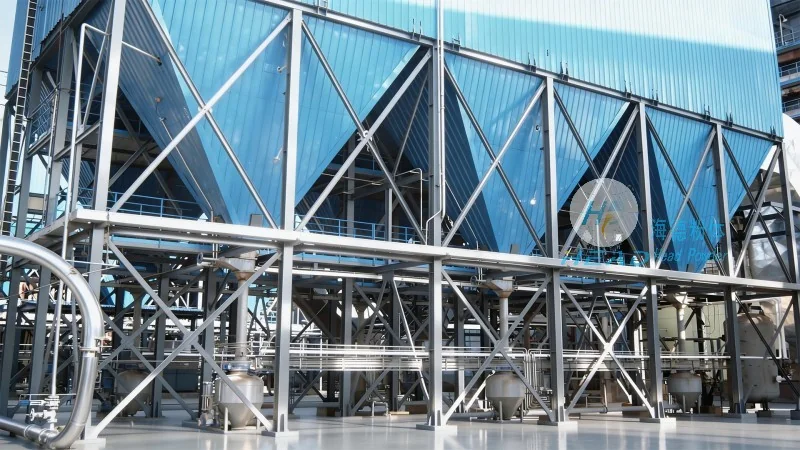
Practical Applications in Powdered Milk Handling
The choice of pneumatic conveying system depends on the specific needs of the powdered milk processing facility. Here are some common practical applications where these systems are utilized:
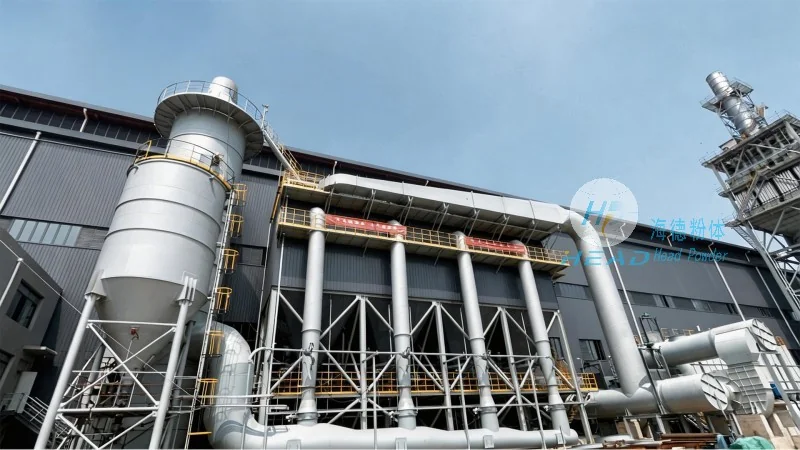
From Storage Silos to Processing Lines
One of the most common applications is the transfer of powdered milk from large storage silos to the processing lines. Positive pressure systems are often preferred for this task due to their ability to handle long distances and maintain consistent flow rates. The system can be designed with multiple inlets and outlets, allowing for the simultaneous transfer of material from several silos to different processing units. This ensures that the processing lines receive a steady supply of raw material, reducing downtime and improving overall production efficiency. The use of positive pressure systems also minimizes the risk of cross-contamination between different product batches, as the air flow can be filtered and controlled to maintain a sterile environment.
Transport to Packaging Stations
After processing, the powdered milk is often transferred to packaging stations for bottling or bagging. Negative pressure systems are commonly used for this step, as they can handle the material over shorter distances and provide precise control over the discharge rate. The vacuum system draws the material from the processing line into the packaging machine, ensuring that the product is transferred smoothly and without spillage. This method is particularly effective for high-speed packaging lines, where consistent and reliable material flow is critical to maintaining production speed. The negative pressure system also helps in reducing dust emissions during the packaging process, which is important for maintaining a clean and safe working environment.