

Positive Pressure and Negative Pressure Conveying of Calcium Carbonate Powder: A Comparative Analysi
When it comes to transporting calcium carbonate powder, selecting the right pneumatic conveying method is crucial for efficiency, cost-effectiveness, and operational safety. Two primary approaches dominate the industry: positive pressure conveying and negative pressure conveying. Each method has distinct characteristics, advantages, and limitations that make them suitable for different applications. This analysis delves into the comparison between these two techniques, focusing on their mechanisms, performance, and suitability for calcium carbonate powder handling.
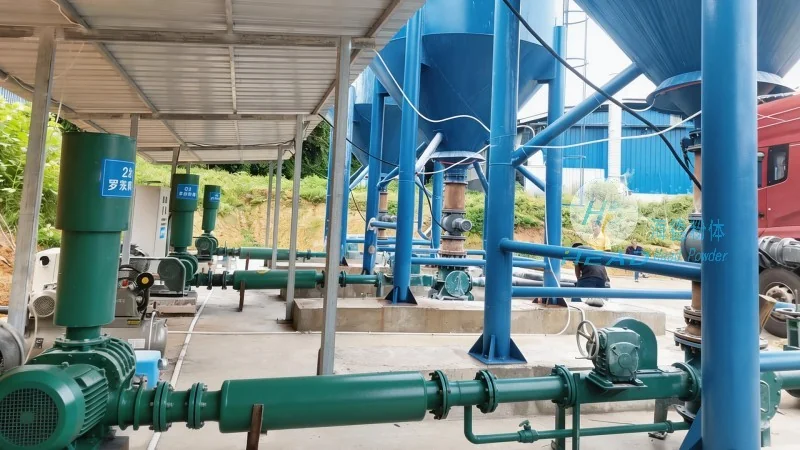
Positive Pressure Conveying: Principles and Characteristics
Positive pressure conveying, also known as pressure pneumatic conveying, operates by blowing air or gas into the material to create a positive pressure within the conveying system. The material is suspended in the air stream and transported through pipelines. For calcium carbonate powder, this method typically involves using a positive pressure blower or compressor to generate the necessary pressure. The system is sealed, preventing dust from escaping into the environment, which is a significant advantage for handling fine powders like calcium carbonate. The positive pressure system ensures that the material is continuously moved forward, reducing the risk of blockages and ensuring consistent flow rates.
In terms of performance, positive pressure conveying is generally more efficient for long-distance and high-capacity applications. It can handle larger quantities of material and maintain a stable flow, making it ideal for industrial-scale operations. However, the equipment required, such as high-pressure blowers and robust pipelines, can be more expensive to install and maintain. Additionally, the system requires careful pressure management to avoid over-pressurization, which could lead to equipment damage or safety hazards.
Negative Pressure Conveying: Principles and Characteristics
Negative pressure conveying, or suction pneumatic conveying, works by creating a vacuum or negative pressure in the conveying line to draw material from the source into the system. The material is drawn into the air stream and transported to the destination. This method is often used for shorter distances or when the material needs to be collected from multiple points. For calcium carbonate powder, negative pressure conveying is particularly useful in applications where dust control is critical, as the system draws material into the line rather than blowing it out. The suction process is gentler on the material, reducing the risk of particle degradation or agglomeration.
One of the key advantages of negative pressure conveying is its lower initial cost compared to positive pressure systems. The equipment required, such as vacuum pumps, is generally less expensive and simpler to install. However, the system has limitations in terms of distance and capacity. Long-distance conveying can lead to higher energy consumption and potential blockages due to the lower pressure. Additionally, the vacuum system is more susceptible to clogging if the material contains moisture or fine particles that can accumulate in the line.
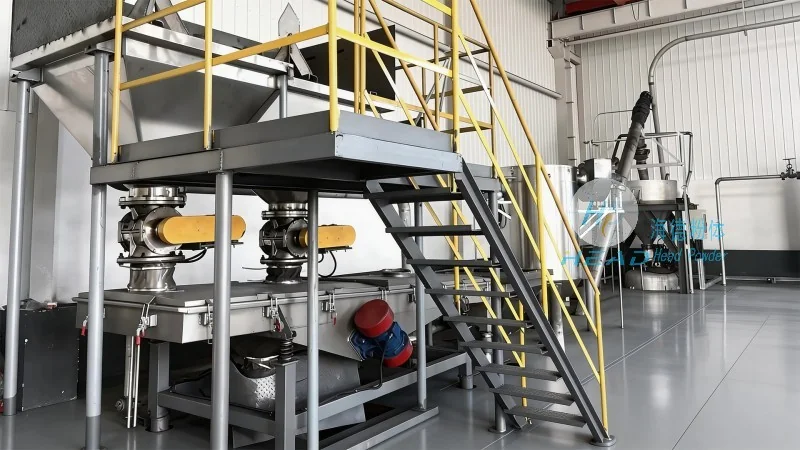
Comparison of Positive and Negative Pressure Conveying for Calcium Carbonate Powder
When comparing the two methods for calcium carbonate powder, several factors come into play. Positive pressure conveying excels in high-capacity, long-distance applications where consistent flow and minimal dust emission are required. It is particularly suitable for industrial plants that need to transport large quantities of calcium carbonate from storage to processing units. The sealed system ensures that the material remains contained, reducing environmental impact and compliance with regulations. However, the higher capital and operational costs may be a barrier for smaller operations or those with limited budgets.
On the other hand, negative pressure conveying is more cost-effective for shorter distances and applications where dust control is paramount. It is ideal for situations where the material is collected from multiple sources or needs to be transported to a central processing area. The lower cost and gentler handling make it a viable option for smaller-scale operations or for handling more delicate powders that could be damaged by high-pressure air streams. Nevertheless, the limitations in distance and capacity may restrict its use in large-scale industrial settings.
Factors Influencing the Choice of Conveying Method
The choice between positive and negative pressure conveying for calcium carbonate powder depends on several key factors. The first consideration is the distance and capacity requirements. For long distances and high volumes, positive pressure conveying is typically preferred due to its efficiency and ability to maintain consistent flow. For shorter distances or lower volumes, negative pressure conveying may be more appropriate.
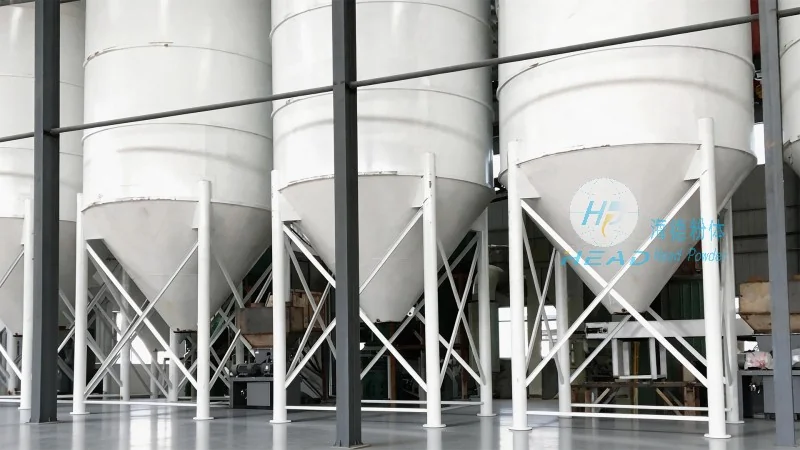
Another critical factor is the environmental and safety considerations. Positive pressure systems are better suited for applications where dust containment is essential, as they prevent emissions from escaping. Negative pressure systems, while effective at drawing material in, may require additional filtration to prevent dust from entering the environment. The choice also depends on the material characteristics of calcium carbonate powder, such as its fineness, moisture content, and tendency to agglomerate. Finer powders may require more gentle handling, making negative pressure conveying a better option to avoid degradation.
Operational costs and maintenance requirements are also important. Positive pressure systems generally have higher upfront costs due to the need for high-pressure equipment and robust pipelines. However, they may have lower long-term operational costs due to higher efficiency and reduced downtime. Negative pressure systems have lower initial costs but may require more frequent maintenance due to the risk of clogging and the need for regular cleaning of the suction lines.
Conclusion: Selecting the Right Conveying Method for Calcium Carbonate Powder
In conclusion, both positive and negative pressure conveying methods have their place in the handling of calcium carbonate powder. The selection depends on a combination of factors, including the application requirements, material characteristics, and budget constraints. Positive pressure conveying offers superior performance for high-capacity, long-distance operations with strict dust control needs, while negative pressure conveying provides a cost-effective solution for shorter distances and applications where gentler handling is required.
For industrial operations, especially those dealing with large quantities of calcium carbonate powder, positive pressure conveying is often the preferred choice due to its efficiency and reliability. However, smaller-scale operations or those with specific environmental requirements may find negative pressure conveying to be a suitable alternative. Ultimately, the goal is to select a conveying method that maximizes efficiency, minimizes costs, and ensures safe and effective handling of calcium carbonate powder throughout the production process.