

Comparative Analysis of Positive Pressure and Negative Pressure Conveying for Desulfurization Gypsum
Desulfurization gypsum, a byproduct of flue gas desulfurization in power plants and industrial facilities, requires efficient and reliable transportation methods for its handling and utilization. The choice between positive pressure and negative pressure pneumatic conveying systems is a critical decision for industries dealing with this material. This analysis compares the two primary pneumatic conveying approaches, highlighting their operational principles, advantages, and practical applications.
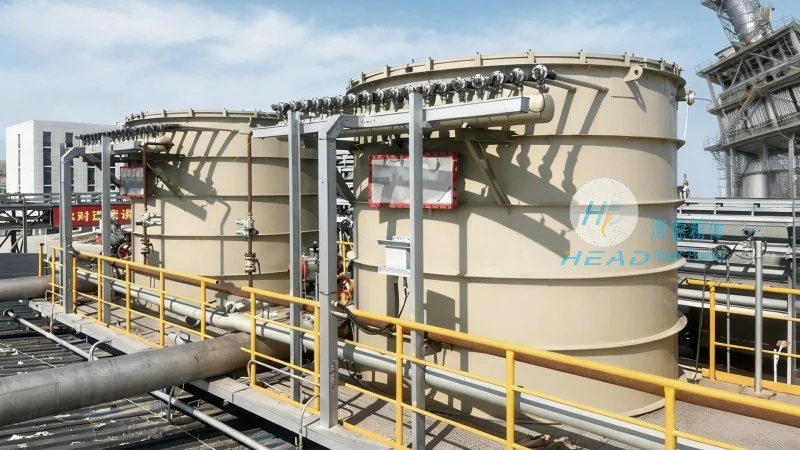
Positive Pressure Conveying Systems: Working Principles and Characteristics
Positive pressure conveying systems operate by generating air pressure within the conveying line, typically using a positive displacement blower or a centrifugal fan. The air is forced through the pipeline, carrying the desulfurization gypsum particles. This method ensures a consistent flow of material and is suitable for longer distances and higher material loads. The system maintains a positive pressure throughout the pipeline, preventing external air from entering and minimizing dust emissions. HeadPowder's positive pressure conveying solutions are designed to handle the specific properties of desulfurization gypsum, such as its fine particle size and moisture content, ensuring efficient and clean operation.
Negative Pressure Conveying Systems: Operational Mechanics and Benefits
Negative pressure conveying systems, also known as suction systems, create a vacuum in the pipeline, drawing the desulfurization gypsum particles into the conveying line. This method is often used for shorter distances and for materials that are more sensitive to pressure changes. The system draws air and material from the source, and the air is then filtered and discharged. Negative pressure systems are particularly effective for handling dusty or fine materials, as they can capture and transport particles without the need for high pressure. However, they may require more maintenance due to the higher air flow rates and the need to manage the vacuum environment. HeadPowder's negative pressure conveying equipment is engineered to handle the unique challenges of desulfurization gypsum, providing reliable and efficient transport solutions.
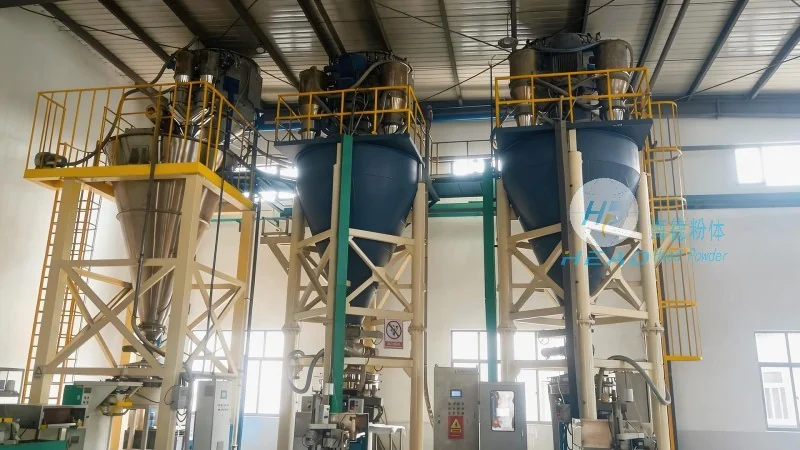
Key Differences and Performance Metrics
When comparing positive and negative pressure conveying systems for desulfurization gypsum, several factors come into play. Positive pressure systems generally offer higher conveying capacities and are more suitable for longer distances, while negative pressure systems are better for shorter runs and for materials that are more prone to dust generation. The choice also depends on the specific properties of the gypsum, such as its moisture content and particle size. HeadPowder's technical team conducts thorough assessments to determine the optimal conveying method based on the client's operational requirements, ensuring that the selected system maximizes efficiency and minimizes operational costs.
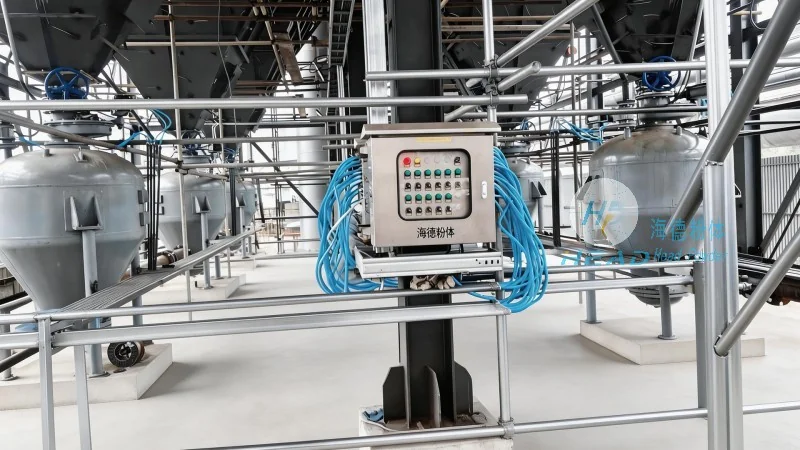
Advantages and Considerations for Each Method
Positive pressure conveying offers advantages such as higher material throughput, reduced risk of material blockages, and better control over the conveying process. However, it may require more robust equipment and higher energy consumption due to the need to maintain positive pressure. Negative pressure systems, on the other hand, are more energy-efficient for shorter distances and can handle more delicate materials without causing damage. They also provide better dust control at the source, as the material is drawn into the system rather than being pushed. HeadPowder's engineers evaluate the specific needs of each project, considering factors like distance, material properties, and operational budget to recommend the most suitable conveying method. This approach ensures that clients receive tailored solutions that meet their unique requirements and deliver long-term operational benefits.
Conclusion: Selecting the Right Conveying System for Desulfurization Gypsum
The selection between positive pressure and negative pressure conveying for desulfurization gypsum depends on a combination of operational factors, material characteristics, and project requirements. HeadPowder, as a leading provider of engineering solutions, offers comprehensive expertise in both positive and negative pressure conveying systems. By conducting detailed analyses and leveraging advanced technology, HeadPowder helps clients choose the most efficient and cost-effective conveying method for their desulfurization gypsum handling needs. Whether a client requires high-capacity transport over long distances or a more energy-efficient solution for shorter runs, HeadPowder's solutions are designed to meet the demands of modern industrial applications, ensuring reliable and sustainable material transport for desulfurization gypsum.